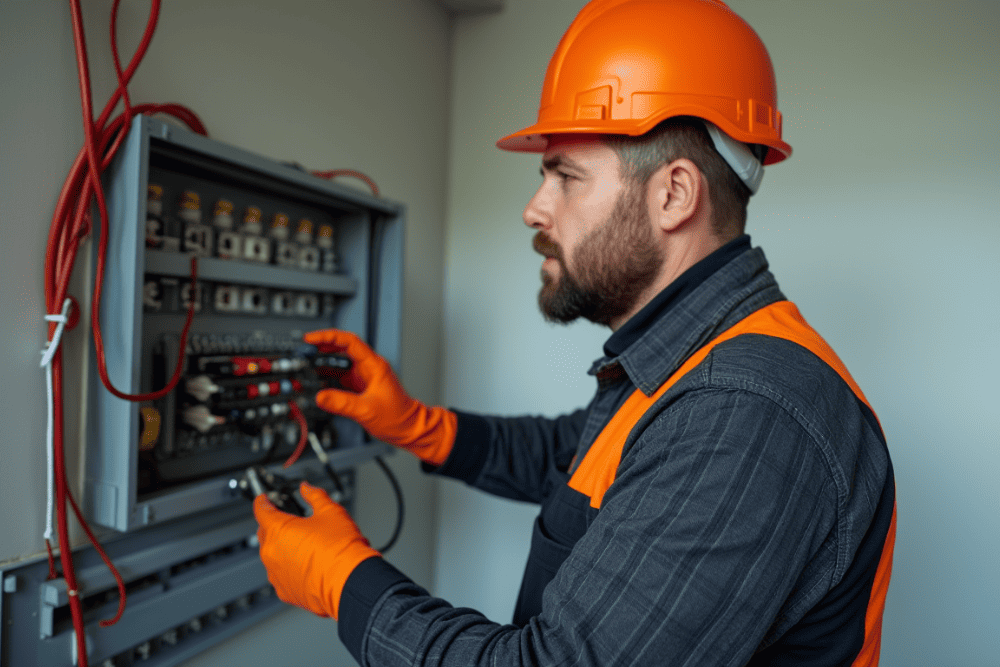
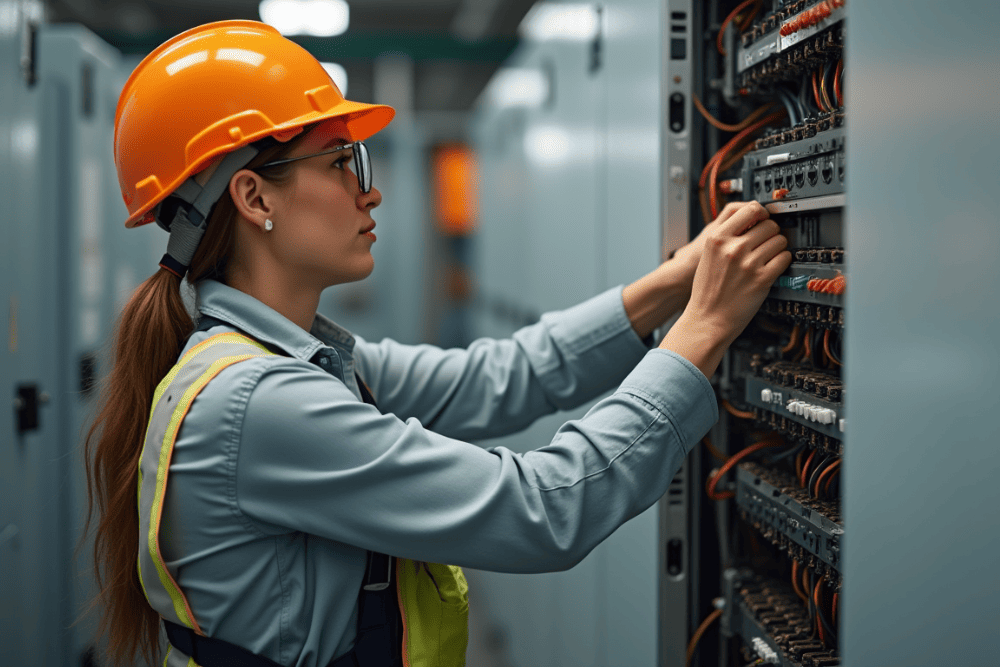
Understanding 240 electrical systems is vital when dealing with high-powered appliances. It powers things like ovens, dryers, and air conditioners. Most homes come equipped, but knowing the specifics can help you use electricity safely and efficiently.
In newer models, 240 electrical setups use two 120V wires, a neutral wire, and a ground wire. This configuration allows them to handle heavier electrical loads. This makes them different from the standard 120V outlets.
Working to keep all workers safe
Safety Training Classes
At ABC Hawaii, we believe safety is the cornerstone of a successful construction industry. That’s why we offer a diverse range of safety training programs tailored to meet the unique needs of our members. With both online and in-person options, our training provides the flexibility to suit any schedule or learning preference.
In North America, residential and light commercial buildings use a Split-Phase 240/120V system. This system provides both 240V and 120V circuits.
It uses two 120V wires, a neutral wire, and sometimes a ground wire. This setup offers flexibility for different appliance needs.
What Requires 240V?
Larger appliances that need lots of electricity use 240V outlets. These devices pull more power than smaller household items.
Here’s a list of some of the most common ones:
Ovens, ranges, and cooktops
Dishwashers
Clothes dryers
Water heaters
Central air conditioners
Electric vehicle chargers
Welding machines
Air compressors
The devices above often require a higher power load for their processes. Using 240 volt outlets helps them run efficiently.
240 Electrical Outlet Appearance
You can tell 240V outlets apart from regular ones, mainly by their size and shape. Modern 240V outlets have four holes. This design includes a ground connection for added safety.
Older versions might have three prongs. Both types carry substantial risk due to their high power. Always approach them with caution.
Cost to Install a 240V Outlet
Cost is a normal question when considering adding a 240V outlet. Prices can vary based on labor, materials, and the complexity of the outlet installation.
It might be tempting to tackle the job on your own. But with electricity this potent, it’s safer to hire a professional.
It is not an apprenticeship. It helps those with at least 8,000 hours in the field to expand their knowledge.
State-Approved Training
ABC’s Electrical 240 Program is state-approved. It also fulfills Hawaii’s requirements for 240 hours of academic coursework.
ABC provides support, training, and resources to its members. They aim to improve safety and excellence.
Safety in Construction
Safety is crucial in the electrical field, given the risks involved. Groups such as the Construction Industry Alliance for Suicide Prevention (CIASP) address well-being in construction.
When thinking about installing a new 240-volt appliance, verify its voltage requirements. Some appliances might not work correctly with incorrect voltage.
Safety programs help make job sites safer. This can be very valuable for the professional.
STEP Program
The STEP program is one of the notable safety initiatives. It helps ABC members reach their full potential by teaching key skills.
The focus extends beyond job-site work.
Clicksafety
Online resources, like Clicksafety, offer training. Accessing learning tools is convenient for workers everywhere.
When is a 240 electrical Circuit Needed?
Knowing when to call a licensed electrician is key for your safety. If your home’s current setup won’t meet an appliance’s requirements, you might need a 240V circuit.
It uses two 120V hot wires, delivering twice the power of standard outlets. Installing these special circuits is most helpful in two key spots in your home.
Kitchen
Most large appliances will do fine with a standard circuit. However, things get tricky with kitchen appliances that have high electrical needs. Many ranges and built-in ovens may require a dedicated 240 electrical line.
Using the correct setup could prevent problems. A mismatched power setup with kitchen appliances is risky.
Laundry Room
Clothes dryers consume lots of energy and almost always run on 240 volts. Having a dedicated circuit in the laundry room helps prevent overloads.
This safeguards your circuits and lets your machine function correctly.
Key Differences of 240v
Understanding a 240V outlet can be helpful for specific applications. These outlets power hefty machines with a higher flow rate, unlike 120V outlets.
Modern setups use two 120V wires, as well as a neutral wire, in one system. They usually also include a ground wire for increased safety.
240V vs 120V Outlets Installation
Here’s an overview for anyone curious:
Feature
120V Outlet
240V Outlet
Voltage
120 Volts
240 Volts
Wires
One 120V wire, one neutral wire (often a ground wire)
Two 120V wires, one neutral wire (often a ground wire)
Appearance
Two vertical slots, maybe a round grounding hole
Larger, with three or four holes in a distinct pattern
Typical Use
Small appliances, lighting
Large appliances like dryers, ovens, and AC units
Installation Considerations
Standard wiring; may need a new circuit for high-demand devices
Often demands a dedicated circuit and heavier gauge wire on the breaker panel
The Importance of a Dedicated Circuit
Many 240V appliances do best with a dedicated circuit. A dedicated circuit means that one breaker is solely used to support the energy draw of a single appliance.
Here’s a factor often overlooked: distance. Excessive distance between the 240V outlet and the device can reduce its effectiveness.
You may experience performance problems. Or even cause damage to your appliance due to a lower delivered voltage from resistance in the wires.
Wiring Considerations
While homeowners *can* technically handle electrical wiring themselves, permits and inspections are often required. You will need to check to see if it’s up to code.
Failing to pass electrical code inspections might delay property sales. Another consideration is homeowner’s insurance in case of a fire.
Professional Installation Costs
Professional outlet installation is generally recommended for safety. This includes wiring.
Costs vary with labor and wiring. Prices can range based on the wire run, type, and other factors. The key focus should be safety.
Conclusion
Understanding 240 electrical systems is important for your home’s functionality and your peace of mind. Please keep in mind details about their uses, setup, and factors like wire gauge.
The ABC’s 240 program aims to give those in the electrical field more in-depth knowledge. Remember to seek professional help, especially when dealing with potentially dangerous electrical work or at a local store.
Safety should always be your top priority, either at a service center or customer service center.
FAQs
What is a Split-Phase 240/120V system?
A Split-Phase 240/120V system is used in North America for residential and light commercial buildings. It provides both 240V and 120V circuits using two 120V wires, a neutral wire, and sometimes a ground wire.
Which appliances typically require a 240V outlet?
Larger appliances such as ovens, ranges, cooktops, dishwashers, clothes dryers, water heaters, central air conditioners, electric vehicle chargers, welding machines, and air compressors typically require 240V outlets.
How can I identify a 240V outlet?
A 240V outlet is usually larger than a standard outlet and has three or four holes. Modern outlets include a ground connection for added safety, while older versions may have three prongs.
What is the cost of installing a 240V outlet?
The cost varies depending on labor, materials, and the complexity of installation. It is recommended to hire a professional for safety reasons.
What training programs are available for 240 electrical systems?
The Associated Builders and Contractors (ABC) offers a state-approved program focused on 240 electrical systems for experienced electricians with at least 8,000 hours in the field.
Why is safety important in electrical work?
Safety is crucial due to the high risks involved with electrical systems. Programs like the Construction Industry Alliance for Suicide Prevention (CIASP) and ABC’s STEP program provide resources and training to improve safety.
When might I need a 240V circuit in my home?
You may need a 240V circuit if your home’s current setup doesn’t meet the requirements of an appliance, particularly in the kitchen for ranges and ovens or in the laundry room for dryers.
What are the key differences between 120V and 240V outlets?
Voltage: 120V vs. 240V
Wires: One 120V wire vs. two 120V wires
Appearance: Smaller with two slots vs. larger with three or four holes
Use: Small appliances vs. large appliances
Installation: May need new circuits for high-demand devices vs. often requires dedicated circuits
Why is a dedicated circuit important for 240V appliances?
A dedicated circuit ensures that one breaker supports the energy draw of a single appliance, preventing performance issues or damage due to voltage drop over long distances.
an homeowners handle electrical wiring themselves?
While possible, homeowners must often obtain permits and pass inspections to ensure work meets electrical code standards. Professional installation is recommended for safety and compliance reasons.
What factors affect the cost of professional installation of a 240V outlet?
Costs can vary based on labor, wiring distance, wire type, and other factors, but safety should always be the primary focus during installation.