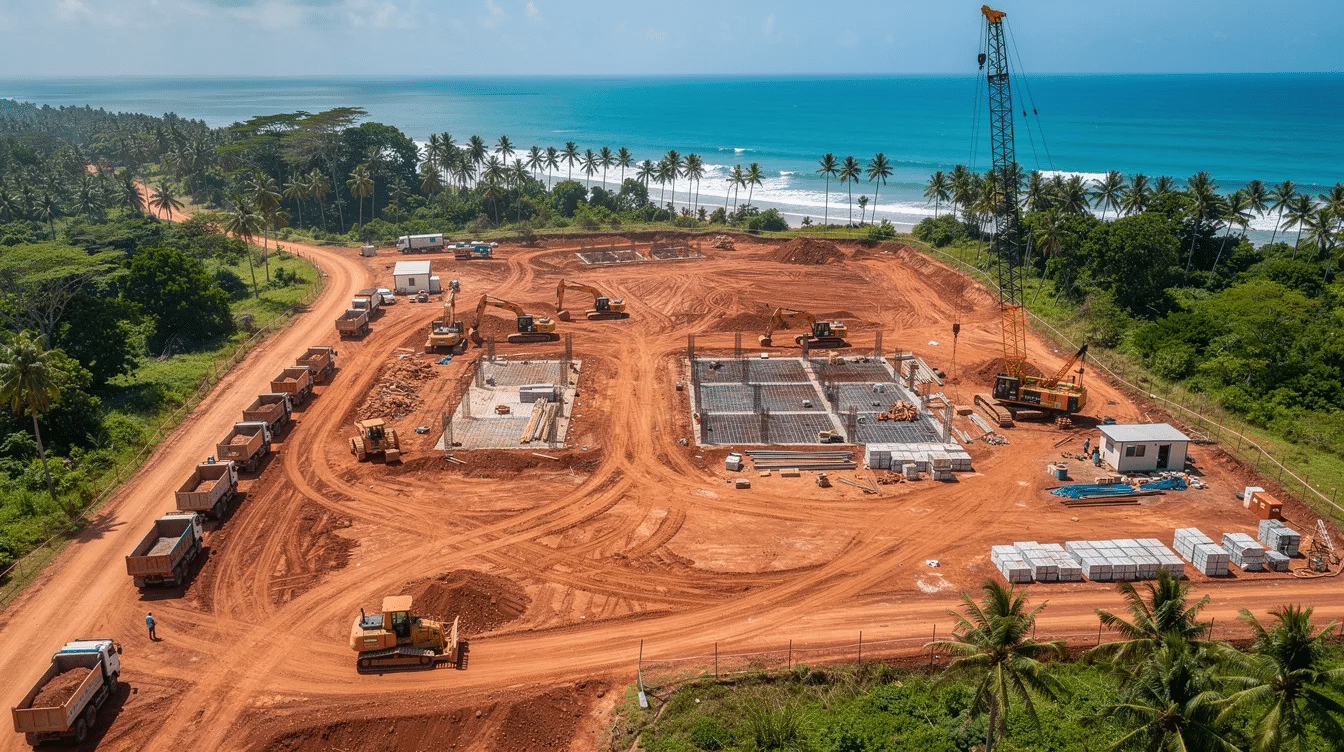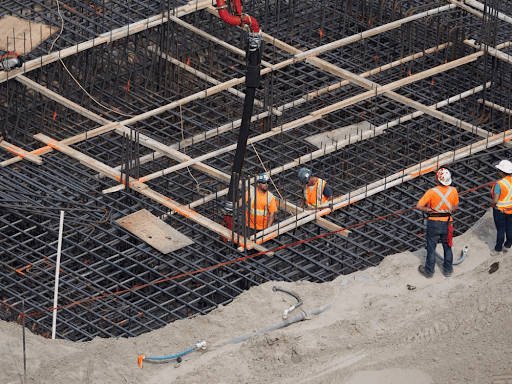


Working outside in Hawaii often means beautiful views. However, it also presents a significant challenge: the heat. For everyone in the construction industry, from contractors to craft workers, understanding heat stress safety isn’t just a good idea; it is vital for your health and well-being. This intense heat, especially during hard labor, can be dangerous if you are not prepared for adequate heat stress safety.
You might feel tough, ready to push through anything. Many in our industry share that strong work ethic. But when the sun beats down, ignoring the warning signs can lead to serious trouble, faster than you think, especially during periods of extreme heat or heat waves.
So, what exactly are we referring to when we mention heat stress? It occurs when your body absorbs more heat from the environment or generates more heat through physical activity than it can dissipate. Think of your body like an engine; it needs to stay cool to run correctly. Typically, you sweat, and as that sweat evaporates, your body cools down, helping to maintain a stable internal body temperature.
However, if your body cannot dissipate that excess heat, your internal temperature begins to rise. This rise in internal body temperature is the core of heat stress. It is not just one specific condition, but it can lead to several heat-related illnesses, some of which can be life-threatening.
Several factors combine on construction sites to cause heat stress. High air temperatures are an obvious challenge, creating a harsh and hot environment. Humidity makes it worse because sweat does not evaporate as easily, crippling your body’s natural cooling system and increasing the heat that your body experiences. Working under direct sunlight also exposes you to radiant heat.
Add to this the strenuous physical exertion common in construction. Your muscles generate a lot of metabolic body heat when you are active during outdoor work. Even the personal protective equipment (PPE) you wear for safety can trap heat against your body; while essential for protection, some PPE can turn into a personal oven, increasing heat exposure. This includes items ranging from hard hats to full-body suits, and sometimes even safety glasses can reduce airflow around the face.
New workers, or those returning after a period of absence, are particularly vulnerable due to a lack of acclimatization. Dehydration is also a significant factor; without enough fluids, your body cannot cope with the excess heat. Certain personal risk factors also increase the risk, such as age, underlying medical conditions like heart disease, certain medications, and poor physical condition.
At ABC Hawaii, we believe safety is the cornerstone of a successful construction industry. That’s why we offer a diverse range of safety training programs tailored to meet the unique needs of our members. With both online and in-person options, our training provides the flexibility to suit any schedule or learning preference.
It is essential to recognize that heat stress can manifest in various ways. These conditions can progress from mild to life-threatening. Learning to spot the early signs in yourself and your coworkers is a critical part of heat stress safety and overall job safety. Heat-related illnesses include heat rashes, heat cramps, heat exhaustion, and heat stroke.
Heat rash, also known as prickly heat, is a skin irritation caused by excessive sweating during hot, humid weather. They look like a red cluster of pimples or small blisters. Heat rashes usually appear on the neck, upper chest, groin, under the breasts, and in the elbow creases.
Heat cramps are often the first significant signal your body sends when struggling with heat. You will feel painful muscle spasms. These usually hit the muscles you are using most, such as your legs, arms, or even your abdomen, due to the loss of salt and water through sweating. These cramps can heat the muscles and are surprisingly strong, causing significant pain.
If heat stress continues, it can lead to heat exhaustion. This is your body’s response to losing an excessive amount of water and salt, usually through profuse sweating. Symptoms of this heat illness include heavy sweating, extreme weakness or fatigue, headache, dizziness, nausea or vomiting, and cool, moist skin. Your pulse could be fast but weak. Heat exhaustion is a severe condition, indicating that your body is struggling significantly; if left untreated, it can quickly develop into heat stroke.
Heat stroke is the most dangerous heat-related illness and is a life-threatening emergency. This occurs when your body’s cooling system completely shuts down, and your internal body temperature can rise to 103°F or even higher in just a few minutes. The CDC highlights that symptoms include confusion, slurred speech, loss of consciousness, and seizures. The person might have hot, red skin, which could be dry or moist, and their pulse will likely be rapid and strong. It is vital to call 911 immediately if you suspect someone has heat stroke, as quick medical help can save a life and prevent permanent disability or heat injury.
Here is a table comparing key aspects of heat exhaustion and heat stroke:
| Feature | Heat Exhaustion | Heat Stroke |
|---|---|---|
| Sweating | Heavy sweating | May be absent (hot, dry skin) or present |
| Skin | Cool, pale, clammy | Hot, red, dry or moist |
| Mental State | Fatigue, weakness, dizziness, headache, nausea | Confusion, disorientation, agitation, slurred speech, loss of consciousness, seizures |
| Body Temperature | Normal or slightly elevated | Very high (often 103°F or more) |
| Pulse | Fast, weak | Rapid, strong |
| Immediate Action | Move to cool place, sip water, loosen clothing, cool compresses. Seek medical attention if no improvement. | Call 911 immediately. Begin rapid cooling (cool water, ice packs). Life-threatening. |
Join ABC Hawaii
We help you win work, enhance safety, and increase profits. Join our community to access elite training and advocate for free enterprise. Elevate your impact in the construction industry today!
Let’s take a moment to discuss what’s happening inside your body. When you sweat, you lose both water and electrolytes, like sodium. This imbalance directly affects your muscles and your energy levels. You will likely experience fatigue, muscle cramps, and headaches due to dehydration and electrolyte loss, which can also affect blood flow to the brain and muscles.
If you start feeling nauseous or are vomiting, this makes things much worse. You lose even more fluids and electrolytes this way, accelerating dehydration. If a worker is feeling sick, they will not be able to drink fluids to rehydrate, meaning their symptoms can get serious very quickly, further compromising their internal body functions.
Preventing heat stress is always better than treating it; good heat stress safety habits and work practices can make a huge difference. You have more control than you might think. It is about working smarter, not just harder, when temperatures soar. Implementing effective heat-related illness prevention strategies is fundamental.
You have heard it before, but it bears repeating: drink plenty of fluids. This means drinking more water than you think you need, especially on hot and humid days with high temperature and humidity readings. Do not wait until you are thirsty; thirst is a sign that dehydration has already started. Construction workers can sweat a lot, sometimes up to a liter or more per hour during particularly demanding jobs that involve heavy physical labor.
Consider standard water bottles; you might need two or three of those every hour to stay hydrated. Water is excellent. Sports drinks can help replace electrolytes lost through sweat, but be cautious of their high sugar content; use them wisely. Try to avoid caffeine and alcohol as these can make you lose more fluids. Make it easy to stay hydrated by carrying a personal water bottle, and ensure that water coolers or stations are readily available on site.
Think about when and how you work. If project schedules allow, try starting the workday earlier to complete more strenuous physical activity before the sun is at its most brutal. Taking frequent breaks is also really important, ideally in a shaded or, even better, an air-conditioned area. Even short breaks help your body cool down and give you a chance to rehydrate. When it’s hotter, you’ll need more breaks.
Remember acclimatization? This is your body getting used to the heat. It can take up to two weeks for someone to fully acclimate to a new environment. Therefore, new workers or anyone returning after an absence need to build up their heat tolerance gradually. OSHA recommends specific schedules for acclimatization, which are worth looking into for your crew to prevent heat-related illnesses.
What you wear matters. If your protective equipment requirements permit, opt for clothing that is lightweight, light-colored, and loose-fitting to help your body breathe and stay cooler. There is also cooling PPE available, such as cooling vests or neck gaiters that can hold cold packs, which can be a significant help. Consider also that some safety glasses may fog up more in high temperatures, and sweaty palms can affect grip; select PPE thoughtfully.
Creating a cooler environment is also part of the plan. Always look for natural shade from the direct sun. If there are none, set up pop-up tents or other temporary shelters. For any work occurring in enclosed, hot environments, such as near heat sources like active machinery or in boiler rooms, if applicable, good ventilation and air movement are essential. Fans or other methods to circulate air can make a significant difference in reducing overall heat exposure.
Look out for one another; this is especially important in construction. Encourage everyone to learn the signs of heat stress so that workers recognize symptoms not only in themselves but also in their colleagues. Sometimes, a person suffering from heat illness might not realize how serious it is. Pair workers up, especially on very hot days or when someone is new to the job. Supervisors should also make regular checks, paying special attention to those at higher personal risk.
Everyone on site needs regular training on heat stress safety and illness prevention. This includes recognizing the risk factors, understanding all the symptoms, understanding prevention strategies (such as hydration and rest), and knowing what to do in an emergency. Toolbox talks are a great way to keep this information fresh. Your company should provide training and have a clear, written emergency plan in place for heat-related illnesses. Who do you call? What are the immediate first aid steps? Where are the first aid kits and cooling supplies located? Everyone needs to be aware of this plan before an emergency occurs.
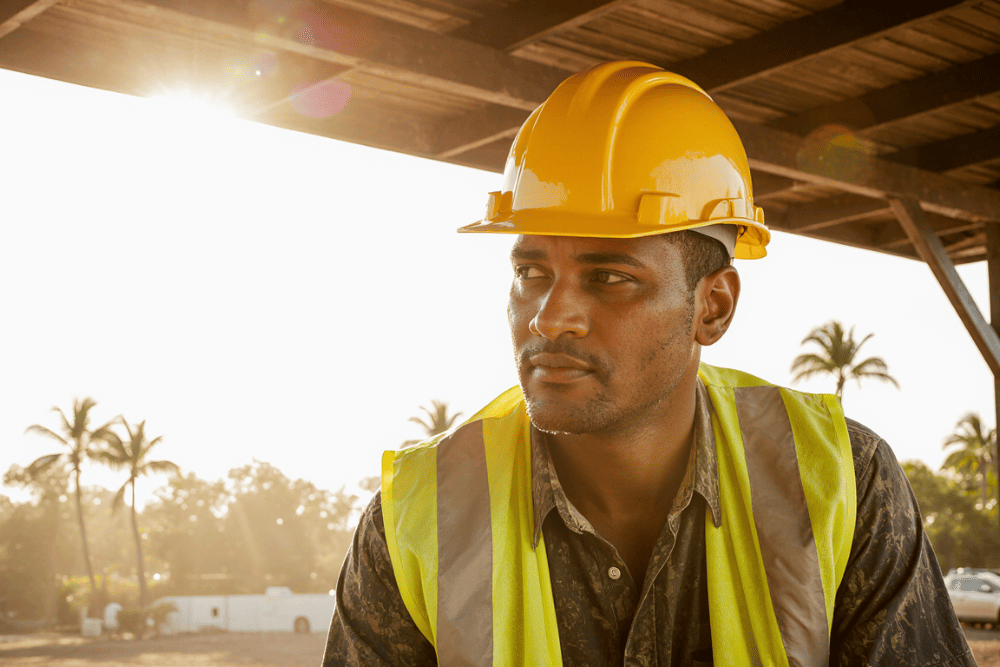
Even with the best prevention, heat stress can still occur. Acting quickly is essential. Knowing the proper first aid steps for different heat-related illnesses can help protect someone from further harm.
For Heat Rashes:
For Heat Cramps:
For Heat Exhaustion:
For Heat Stroke: THIS IS A MEDICAL EMERGENCY – CALL 911 OR YOUR LOCAL EMERGENCY NUMBER IMMEDIATELY.
Individual actions are necessary, but companies also play a significant role. Management must take responsibility for creating a safe working environment and fostering occupational safety. This means implementing a comprehensive heat illness prevention program or protection plan. This process begins by assessing job sites and specific tasks to identify heat stress risks. This involves evaluating heat sources, such as machinery or radiant heat from surfaces, and understanding the physical demands of each role.
Companies need to give the necessary additional resources. This means plenty of cool water, access to shade, cooling stations, and regular training for all workers exposed to heat. It is also important to encourage workers to report any symptoms of heat illness, in themselves or others, without any fear of blame or penalty. A strong safety culture supports this. Engineering controls, such as increasing air movement with industrial fans or providing reflective shields against radiant heat, should be considered. Administrative controls, such as adjusting work schedules for outdoor work to avoid peak heat and implementing structured work/rest cycles, are also vital in protecting workers from these occupational illnesses.
A comprehensive heat-related illness prevention plan should include:
The heat safety plan is not a one-time thing. It needs to be reviewed regularly and updated as conditions change or new information becomes available.
Working in the heat is a reality for many in the construction industry, particularly during heat waves or in consistently hot environments. But suffering from heat illness, a serious heat injury, does not have to be. Understanding the dangers of increased risk, learning how workers recognize symptoms early, and taking preventative action are fundamental. From staying hydrated and taking breaks, to companies implementing a solid heat stress safety and protection program with proper training and resources, everyone has a part to play.
Prioritizing heat stress safety means protecting not just yourself, but your entire crew. This leads to a healthier and more productive job site for all. It is a commitment that benefits everyone involved in making our communities better, one project at a time, keeping them safe from preventable occupational illnesses.