
Construction risk management is far more than simply checking a box on a project checklist. Ignoring it can lead to budget overruns, missed deadlines, and even catastrophic failures. A solid risk management plan is the backbone of any successful construction project, acting as a guide through unforeseen challenges.
Understanding this process is crucial for anyone in the construction industry, from general contractors to project teams. Let’s examine the fundamental components of construction risk management and explore how to apply them effectively. This will help you protect your projects, your finances, and your reputation.
Construction risk management is the systematic process of identifying, assessing, and mitigating potential threats to a construction project. It’s a proactive management process, not a reactive one. The goal is to anticipate problems before they arise and have a strategy in place to address them.
This process involves a thorough examination of all facets of a project, from the initial design phase to the final handover. It encompasses a broad range of potential issues, including financial, safety, legal, and operational risks. A thorough approach allows construction companies to control risk rather than be controlled by it.
Ultimately, it provides a framework for making informed decisions. By understanding the potential impact of different risks, the project team can allocate resources more effectively. This protects the project’s schedule, budget, and overall quality.
Construction projects are inherently complex and involve significant investment. Without a structured risk management process, these investments are left exposed to numerous threats. Effective risk management is fundamental to the stability and profitability of any construction firm.
Properly managing risk directly contributes to better financial outcomes by preventing costly errors and schedule delays. It also significantly improves jobsite safety, protecting workers and reducing the likelihood of accidents. This commitment to safety and diligence enhances a company’s reputation and client trust.
An effective management program provides numerous advantages for any construction company. Implementing procedures to manage project risks leads to more predictable and successful outcomes. These benefits are felt across the entire organization.
A construction site can present a wide array of potential risks that can affect project success. Identifying these common construction risks is the first step in creating a defense against them. They often fall into several key categories.
Errors or omissions in blueprints and project specifications can cause significant rework and schedule delays. These problems often become apparent only after construction has started, leading to expensive change orders. A poorly defined scope can also create confusion and disputes down the line.
Many construction firms now utilize advanced software, such as Building Information Modeling (BIM), to create detailed 3D models. These models help the project team identify clashes and design issues before breaking ground. This digital review process is a powerful tool for mitigating technical risks.
Financial risk is a significant concern for all construction companies. This includes issues like unexpected increases in the cost of building materials or problems with cash flow. A sudden spike in material prices can destroy a project’s budget if not anticipated.
Liquidity risk, or the inability to meet short-term financial obligations, can halt a project altogether. Proper financial planning, contingency funds, and careful monitoring of project financial health are critical. Historical data from past projects can help in forecasting potential financial strains.
The construction industry frequently faces a shortage of skilled labor. A lack of qualified workers can slow down progress, compromise quality, and increase costs. This makes workforce planning a critical part of the risk management process.
To address this, proactive construction firms invest in continuing education and training programs. They form partnerships with trade schools to create a pipeline of talent. Ensuring a stable and skilled workforce is a long-term strategy for success.
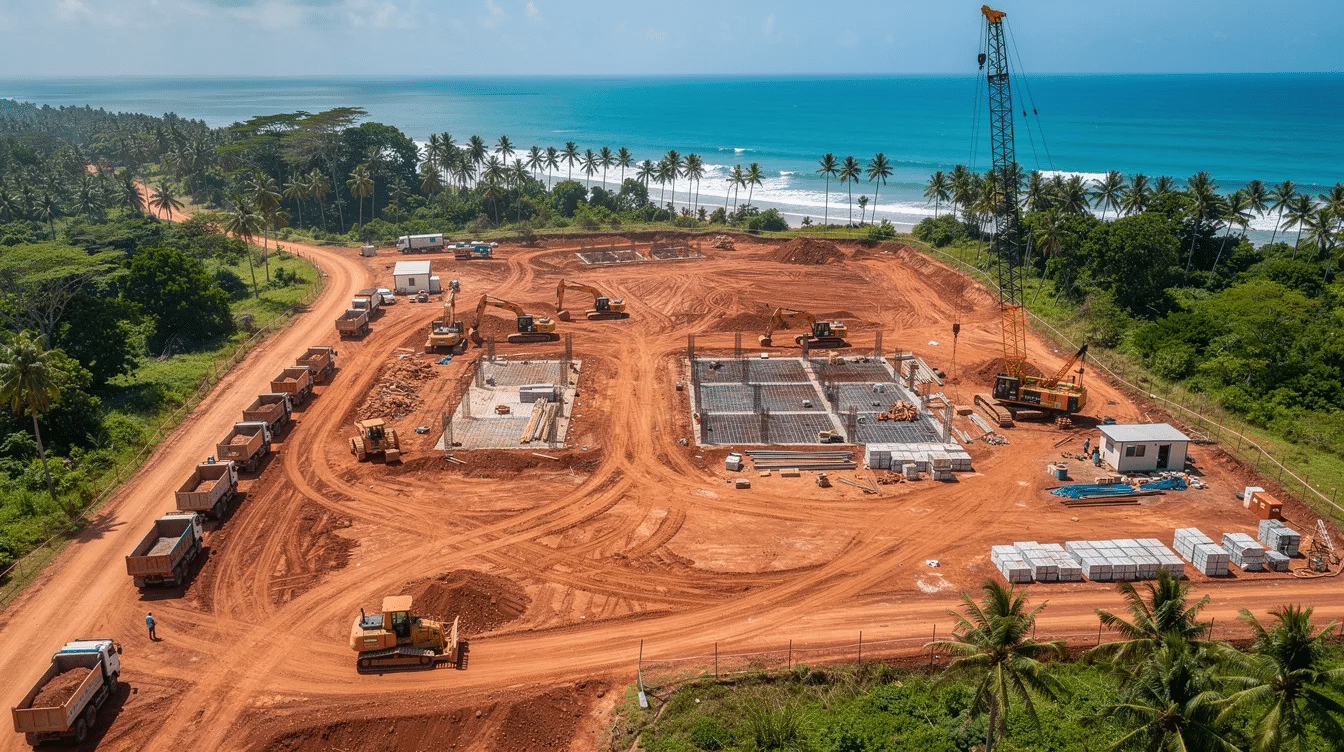
Every jobsite has its own set of challenges related to environmental conditions. Unexpected soil issues, undiscovered archaeological sites, or severe weather can disrupt schedules and plans. These risks necessitate thorough site investigations before commencing work.
Project managers must build buffer time into schedules to account for potential weather delays. They should also stay informed about industry news and forecasts related to environmental regulations. A proactive stance on these issues can prevent major setbacks.
Legal risk is present throughout a construction project. This can stem from poorly written contracts, disputes with subcontractors, or failure to comply with regulations. A solid construction contract is a primary defense against these types of problems.
Disputes can arise over contract terms, payment schedules, or the scope of work. General contractors must ensure all agreements are clear and comprehensive. This includes working closely with specialty contractors to ensure all contractual obligations are aligned.
Strengthening Hawaii’s Workforce Through Diverse Trade Training
ABC Hawaii Chapter offers Five Trades, Carpentry, Electrical, Plumbing, Painter, and Roofing. We continually seek additional crafts and trades which are needed to maintain our Hawaii’s workforce.
A structured approach is crucial for managing the numerous potential risks associated with a project. The step construction risk management process provides a clear path for teams to follow. This framework helps ensure that no stone is left unturned.
The first step is identifying potential risks that could affect project outcomes. This involves brainstorming sessions with the project team, consulting with experts, and reviewing historical data from previous projects. The goal is to create a comprehensive list of all possible threats.
Techniques for identifying risks include reviewing checklists, analyzing project documents, and conducting site inspections. Examining customer stories and lessons learned from past projects can also reveal risks you may not have considered. Identifying risks is an ongoing activity throughout the project lifecycle.
Once risks are identified, the next step is to assess their potential impact and likelihood of occurrence. The risk assessment phase helps prioritize which threats require the most attention. Not all risks are created equal; some have a much higher potential to cause damage.
Teams often use a risk matrix to score each risk based on its probability and severity. This quantitative analysis helps in focusing resources where they are needed most. This analysis is crucial for developing an effective risk management plan.
After assessing the risks, the project team must develop strategies to address them. There are four main responses: avoid, transfer, mitigate, or accept. The chosen response will depend on the nature and severity of the risk.
To mitigate risk, you might implement new safety procedures or add redundancy to your supply chain. Transferring risk often involves purchasing insurance or using specific clauses in a construction contract. The response plan should be documented and communicated to all stakeholders.
Risk management is not a static activity. The final step of the management process involves continuously monitoring identified risks and identifying new ones. Regular project meetings should include a review of the risk register.
This requires constant vigilance and communication among the project team. If a risk’s status changes, the response plan may need to be adjusted. Effective monitoring helps control risk and keeps the project on track.
At ABC Hawaii, we believe safety is the cornerstone of a successful construction industry. That’s why we offer a diverse range of safety training programs tailored to meet the unique needs of our members. With both online and in-person options, our training provides the flexibility to suit any schedule or learning preference.
A formal risk management plan is the central document that guides your efforts. This plan outlines the entire management process, from identification to monitoring. It is a critical management resource for the general contractor and the entire project team.
The plan should define the roles and responsibilities for risk management activities. It should also establish the budget and schedule for these tasks. Having a clear and agreed-upon management plan ensures everyone is on the same page.
A thorough plan provides structure and clarity. It acts as a roadmap for the entire project team. Below are the essential elements of a successful construction risk management plan.
| Component | Description |
|---|---|
| Methodology | Defines the approach, tools, and data sources to be used for risk management on the project. |
| Roles & Responsibilities | Clearly assigns who is responsible for each part of the risk management process. |
| Budgeting | Allocates funds for risk mitigation activities, including contingency reserves. |
| Timing | Specifies when and how often risk management activities will be performed throughout the project lifecycle. |
| Risk Categories | Creates a structure for identifying and grouping risks, such as financial, technical, or legal. |
| Risk Register | A living document that tracks all identified risks, their assessment, response plans, and current status. |
Modern technology offers powerful risk management tools that have transformed how construction firms operate. These management tools provide greater insight and control over complex projects. Leveraging them is a key part of a modern risk management program.
Platforms like Procore and Autodesk Construction Cloud centralize project information. They help teams track potential risks, manage communications, and monitor progress in real time. This integration is vital for implementing procedures consistently across a project.
Some advanced management tools use artificial intelligence to analyze data from past projects. This technology can predict the likelihood of certain risks, such as schedule delays or cost overruns. This gives project managers a significant advantage in proactive planning.
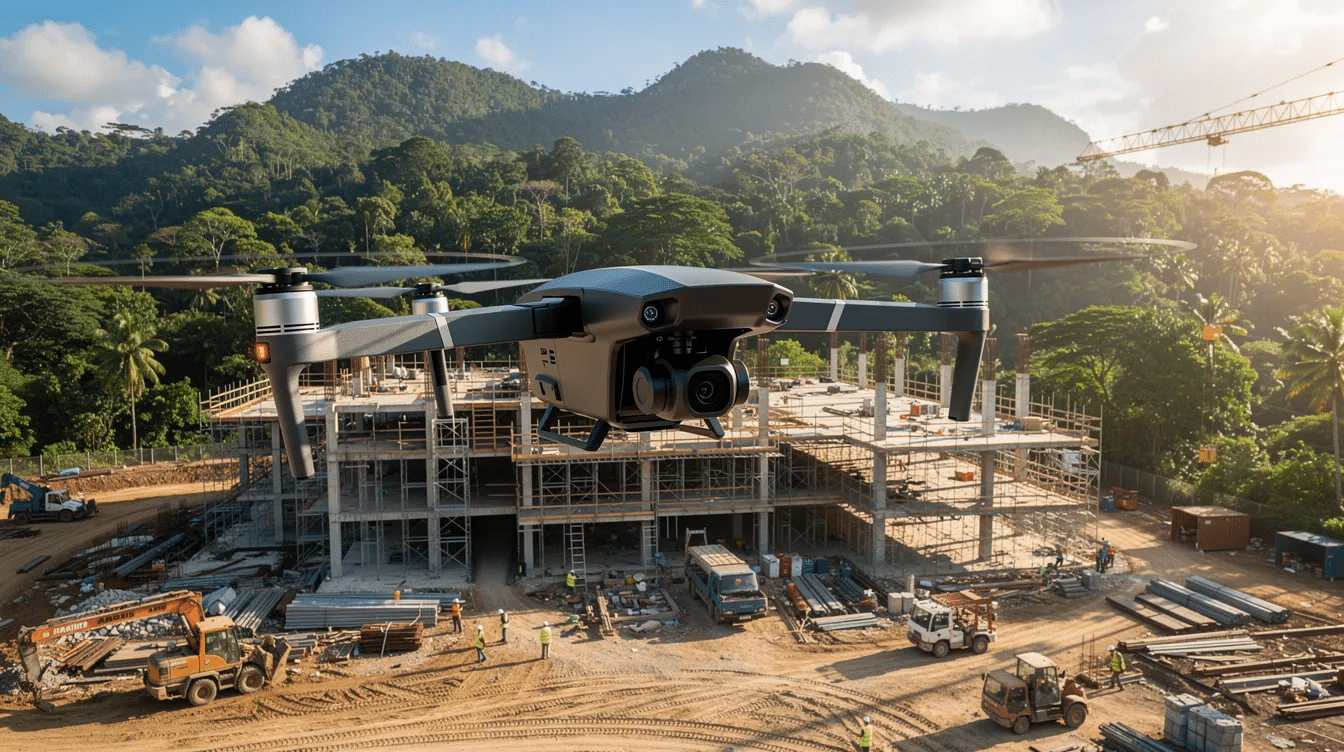
Drones provide aerial views of jobsites, helping to spot safety hazards or monitor progress. Internet of Things (IoT) sensors can be placed on equipment or structures to monitor conditions like temperature or vibration. These technologies provide real-time data that can be used to control risk and improve jobsite safety.
Construction risk management is a dynamic and essential discipline for achieving a successful construction project. It’s about building resilience into your operations by identifying potential risks early and developing clear plans to address them. This proactive approach protects your budget, schedule, and team.
Remember that an effective risk management process is continuous and requires dedication from the entire project team. By fostering a culture of risk awareness, leveraging the right management tools, and learning from every project, you can navigate the challenges of the construction industry. The reward is smoother projects, stronger client relationships, and a more robust bottom line for your construction firm.
Taking a structured and diligent approach to construction risk is not an option; it is a necessity for long-term success. The effort invested in a solid risk management plan pays dividends throughout the life of a project and beyond. It is the foundation upon which profitable and reputable construction companies are built.