

If you are a contractor, subcontractor, supplier, or industry partner operating in Hawaii, understanding how a construction association can support your business is essential. This article is designed specifically for professionals in Hawaii’s construction sector—including general and specialty contractors, suppliers, design partners, and service providers—who want to navigate the unique challenges of building in the islands.
We will cover what a construction association is, who can join, and the full scope of its services. You’ll learn about advocacy, workforce development, safety, networking, business support, and how these elements interconnect to strengthen your business and the industry as a whole. We’ll also define key terms, explain relevant regulations, and provide practical guidance for getting involved.
Understanding construction associations in Hawaii is crucial because these organizations are the backbone of the local building industry. They help you stay compliant, competitive, and connected in a market shaped by geographic isolation, high costs, and complex regulations.
Summary: What is a Construction Association in Hawaii and What Are Its Benefits?
A construction association in Hawaii is a nonprofit, member-driven organization that unites contractors, suppliers, and industry partners across all islands. It serves as the primary voice for the industry on policy, safety, and workforce issues unique to Hawaii’s environment. Membership provides practical benefits such as advocacy, training, networking, and business support—helping you reduce risk, build relationships, and influence the future of construction in Hawaii.
A construction association is a nonprofit trade organization that represents licensed general contractors, specialty contractors, union and non-union firms, suppliers, design partners, and related service providers. Think of it as the connective tissue that links companies across the building industry—from the excavating contractor on Hawaii Island to the mechanical subcontractor on Oahu to the insurance broker serving builders statewide.
Associate member refers to a company or individual that is not a contractor but provides goods or services to the construction industry, such as suppliers, insurance agents, attorneys, or consultants. These members play a vital role by supporting contractors and contributing to the industry’s overall success.
Apprenticeship pipeline describes a structured program or pathway that recruits, trains, and advances new workers into skilled trades through formal apprenticeships, ensuring a steady flow of qualified talent for the industry.
These associations operate across all major islands. Members are active on Oahu, Maui, Kauai, Hawaii Island, and smaller islands where public works, resort projects, and infrastructure improvements drive demand. Hawaii’s local chapters and associations focus on what matters here: state and county rules, island logistics, and relationships with local agencies and communities.
The association serves as a unified industry voice on issues like building codes, procurement rules, infrastructure investment, and workforce policy specific to Hawaii. This matters because construction in Hawaii isn’t just another regional market—it’s a distinct operating environment shaped by geography, culture, and regulation.
For everyday business, that means the association helps members navigate permit approvals, understand state Department of Labor and Industrial Relations (DLIR, which oversees labor laws and workplace safety) rules, respond to Occupational Safety and Health Administration (OSHA, the federal agency for workplace safety) enforcement, and manage county inspection requirements. These aren’t abstract concerns. They affect project timelines, costs, and whether you can bid confidently on the next job.
Hawaii depends on construction for housing, tourism infrastructure, schools, hospitals, and coastal resiliency projects. When the industry runs well, communities benefit. When it struggles with workforce shortages, regulatory confusion, or unsafe practices, everyone pays the price.
How Advocacy, Workforce Development, and Networking Interrelate: Advocacy ensures favorable policies and regulations, workforce development builds the skilled teams needed to execute projects, and networking connects members to opportunities and partnerships. Together, these functions create a supportive ecosystem that helps businesses thrive in Hawaii’s unique construction environment.
Hawaii’s geographic isolation and multi-island layout make construction more complex and expensive than in most mainland states. The challenges start before the first shovel hits dirt and continue through project closeout.
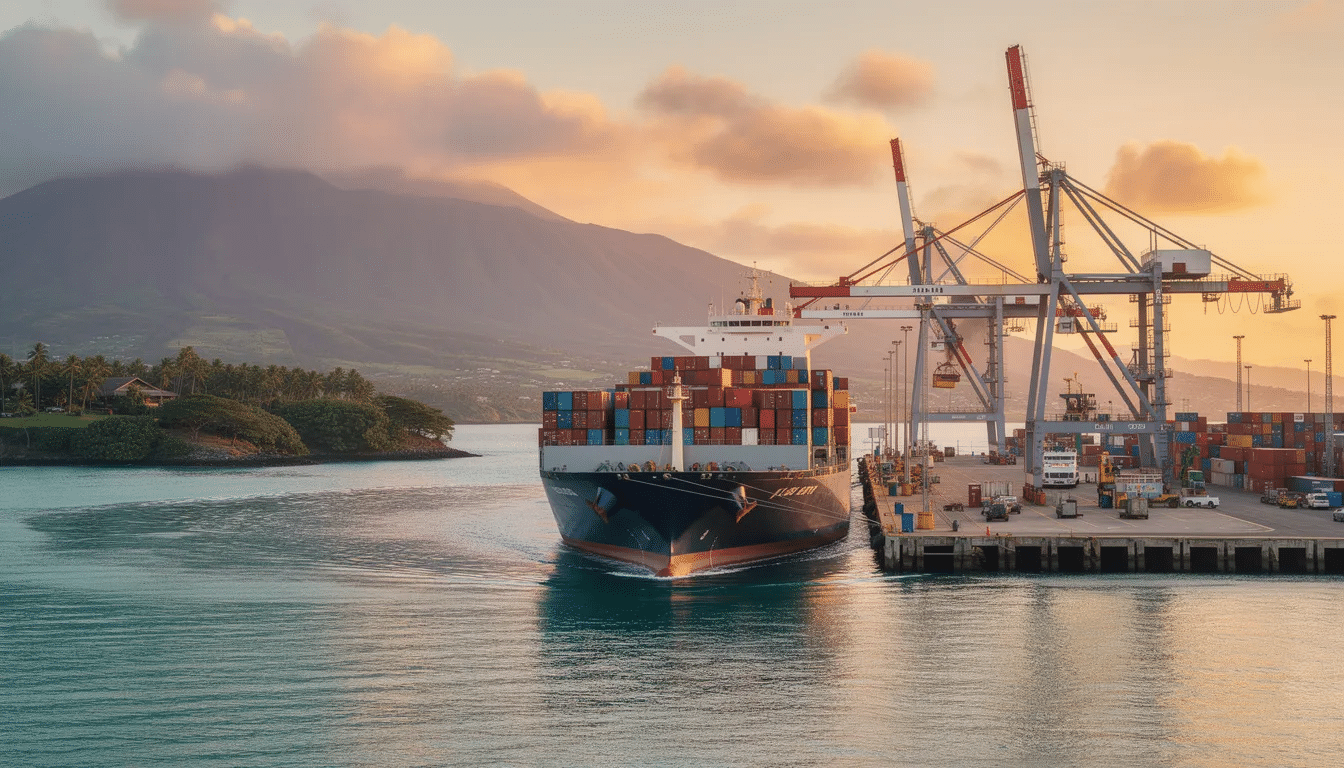
Nearly all building materials, heavy equipment, and specialty components must be shipped from the mainland or overseas. This creates:
Honolulu Harbor serves as the primary entry point, meaning delays there ripple across every island. A construction association helps members interpret national procurement practices in light of these constraints and advocates for port infrastructure and freight policies that affect import costs.
The labor pool in Hawaii is relatively small and dispersed. Add the nation’s highest cost of living, and you have structural workforce challenges:
Table: Workforce Challenges and Impacts
|
Challenge |
Impact |
|---|---|
|
Limited skilled trades availability |
Competition for qualified workers drives up labor costs |
|
High housing costs |
Difficult to attract or retain workers from outside Hawaii |
|
Inter-island crew movement |
Adds travel costs and scheduling complexity |
|
Aging workforce |
Experienced tradespeople retiring faster than new workers enter |
Training residents becomes essential rather than optional. Associations respond by prioritizing workforce development programs, apprenticeship pipelines, and career pathway initiatives that keep talent in Hawaii.
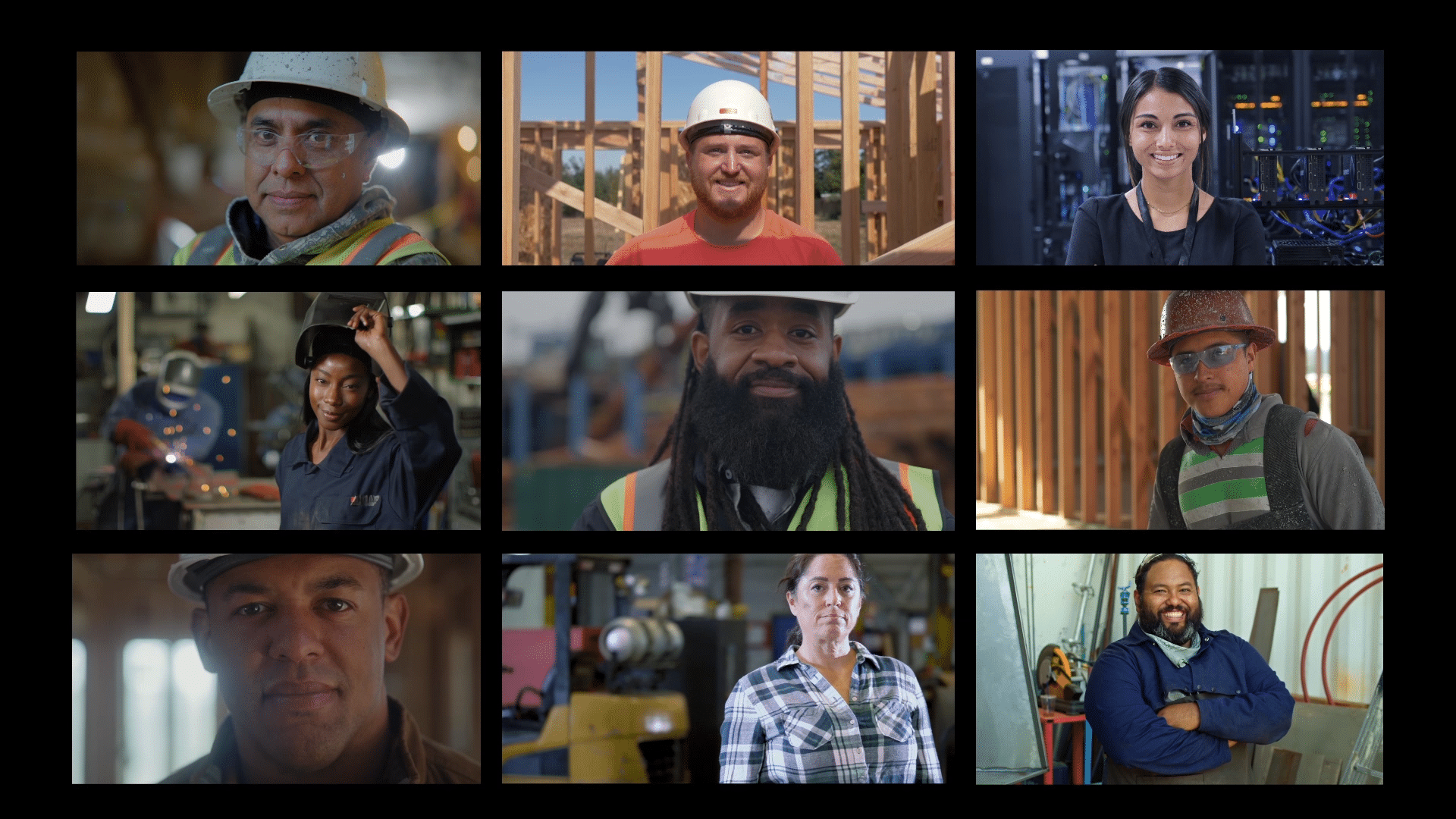
In addition, construction associations are actively working to attract and support women in the construction workforce. By highlighting the achievements and leadership of women in the industry, these associations promote gender diversity as a key strategy to expand the talent pool and address ongoing workforce shortages.
Contractors must navigate multiple layers of oversight:
A construction association helps members interpret these requirements, stay current on code changes, and avoid costly compliance failures.
Hawaii consistently ranks among the most expensive construction markets in the United States, per square foot. Imported materials, high land values, and stringent quality standards for hurricane, seismic, and coastal exposure all contribute. This makes risk management and productivity critical areas where association education and resources provide direct value.
Advocacy is arguably the most visible function of a construction association in Hawaii. Each year, the association tracks legislation at the Hawaii State Legislature, monitors county councils, and engages with key state agencies on behalf of members.
The policy landscape includes:
Staff and member leaders provide testimony at legislative hearings, meet with lawmakers and agency officials, and propose amendments to ensure construction policies work for firms operating across all islands.
Consider permitting timelines. When county building departments face backlogs, projects stall. Through coordinated advocacy, the association can push for additional resources, more transparent review processes, or predictable timelines that help contractors plan work and manage cash flow.
Prompt payment on public projects is another recurring issue. State and county contracts can tie up significant capital when payment processing slows. The association advocates fair payment terms, reasonable retainage limits, and efficient change-order processing—issues that directly affect subcontractors’ and specialty trades’ cash flow.
Table: Advocacy Benefits by Member Type
|
Member Type |
Advocacy Benefit |
|---|---|
|
Small local contractors |
Gain a collective voice they couldn’t afford individually |
|
Large commercial builders |
Access coordinated strategies on major regulatory issues |
|
Subcontractors |
Representation on payment protections and contract fairness |
|
Suppliers |
Insight into upcoming events and capital improvement priorities |
For owners and developers, a well-functioning construction industry with clear, predictable rules means projects get built on time and within budget.
Hawaii’s long-term construction capacity depends on training residents for skilled trades and management roles. The cost of bringing in off-island workers—housing them, retaining them, dealing with turnover—makes homegrown talent the sustainable path forward.
The construction association is also committed to supporting women in construction, providing leadership development opportunities, and advocating for greater gender diversity and inclusion within the industry.
The association partners with institutions across the state to develop workforce pipelines:
These partnerships create pathways from classroom to jobsite, with real projects on Oahu, Maui, Kauai, and Hawaii Island serving as training grounds.
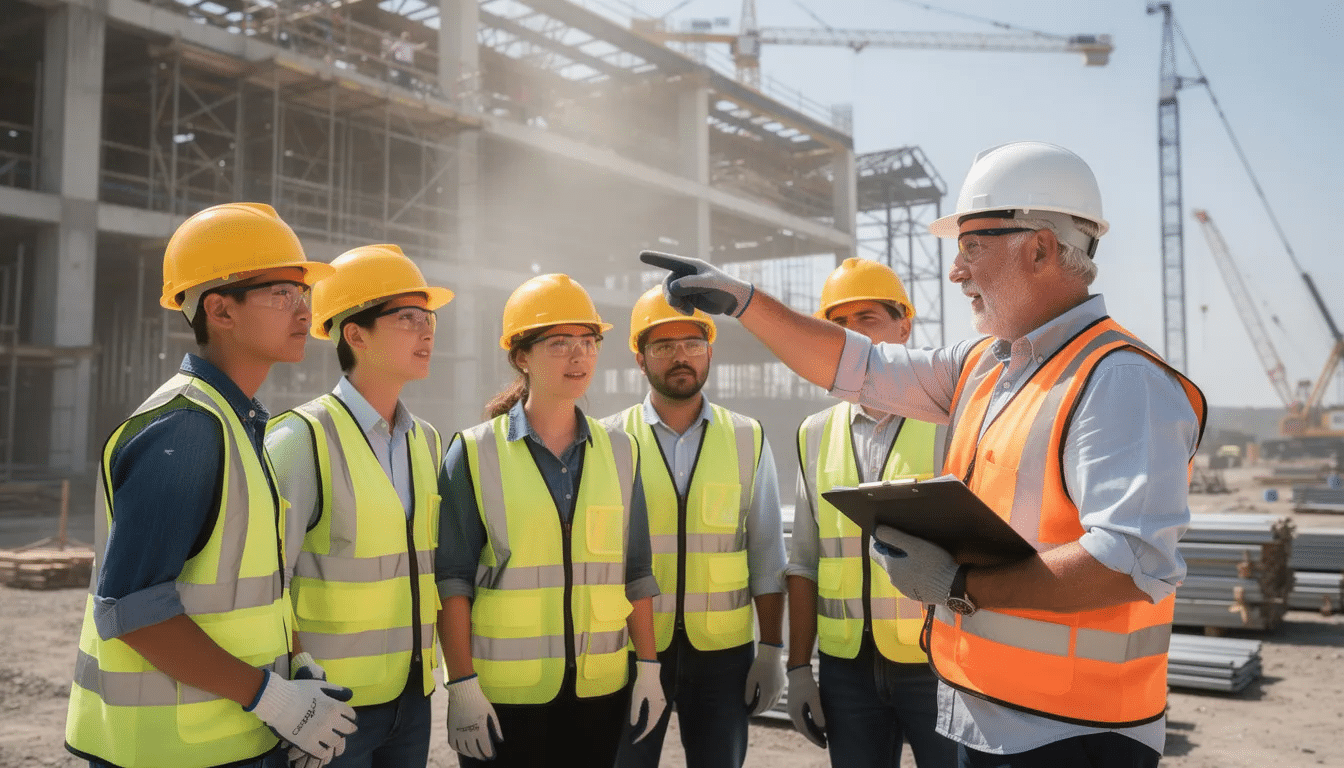
For smaller firms, the association’s workforce programs eliminate the need to design training from scratch. You can tap into structured apprenticeship pipelines, access industry-recognized credentials, and save the time and cost of developing your own curriculum.
Mid-career development matters too. Superintendent training, project management courses, and leadership workshops help your existing team advance. These programs are tailored to Hawaii’s market, including public-sector contracting practices and the unique demands of resort renovation work.
Workforce development in Hawaii means more than filling positions. It means supporting Native Hawaiian and local communities, improving women’s participation in the trades, and promoting long-term career opportunities rather than seasonal jobs. Associations often work with community organizations to reach underrepresented groups and demonstrate that construction offers earning potential and upward mobility.
Safety training and regulatory compliance are central services that a Hawaii construction association provides. The goal is simple: reduce incidents, protect workers, and help member companies avoid the human and financial costs of jobsite accidents.
Typical offerings include:
Programs reflect local conditions. Outdoor work in coastal zones, emergency preparedness for hurricanes and tsunamis, and the logistics of getting injured workers to medical facilities on remote sites all factor into the training approach.
The association helps members understand and comply with:
For small contractors, this guidance can mean the difference between winning a bid and being disqualified. For larger builders, systematic safety programs reduce insurance costs and improve performance on metrics that owners increasingly track.
Beyond formal training, associations provide practical tools like toolbox-talk materials, safety checklists, and templates for developing site-specific safety plans. Quarterly safety roundtables bring members together to share near-miss lessons and best practices—turning individual experience into collective knowledge.
Beyond safety and workforce programs, the association offers regular education and business support designed to help firms operate efficiently in Hawaii’s high-cost environment.
Members can access learning through multiple channels:
Topics range from project delivery methods used by the State of Hawaii and counties to estimating in a volatile material-cost market. Sessions on contract risk allocation, lien and bond law, and sustainable design practices give members the knowledge to make better business decisions.
The association often connects members with vetted service providers—insurance brokers, surety agents, construction attorneys, and accountants who understand Hawaii’s market. Peer benchmarking helps firms compare their performance on key metrics, while templates and checklists streamline compliance and project administration.
Market intelligence matters too. The association monitors construction backlog, bid activity, and capital improvement plans across state and county agencies. Digestible updates help members plan staffing, equipment investments, and strategic direction based on where the market is heading.
Whether you’re an emerging contractor trying to break into public work or an established firm considering expansion to another island, association resources support more thoughtful planning. You don’t have to figure out every regulatory quirk or market trend on your own.
In a relationship-driven market like Hawaii, networking through a construction association is essential for building trust among contractors, design professionals, suppliers, and owners.
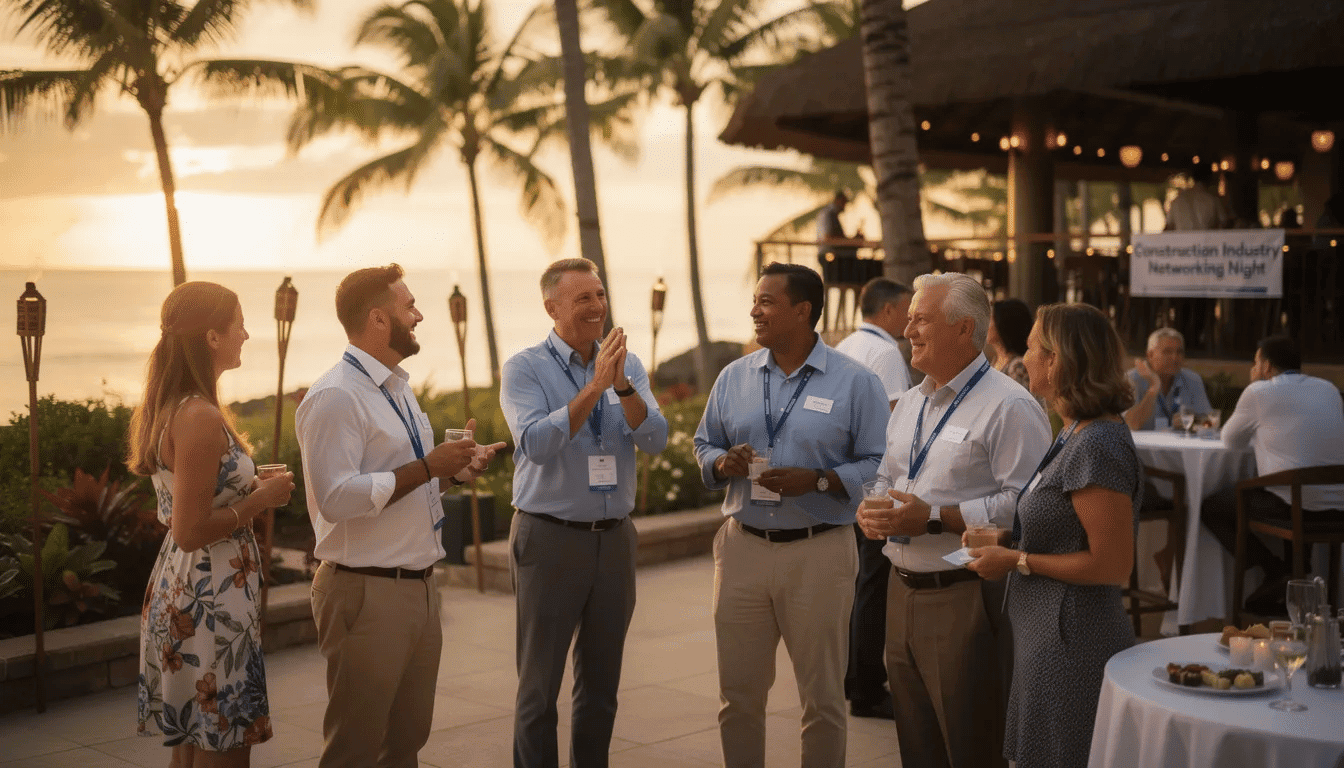
The association creates regular opportunities for members to connect:
For small and minority-owned contractors, these events provide visibility and access to larger general contractors and public-sector owners. You learn about upcoming work, understand qualification requirements, and build the relationships that lead to opportunities.
Complex projects—hospital expansions, harbor improvements, coastal protection, renewable-energy installations—often require teaming arrangements. The association encourages collaboration, helping members find partners whose capabilities complement their own. In a market as small as Hawaii’s, your competitor on one job may be your subcontractor or partner on the next.
Associations also connect the industry with the broader community through:
Active participation builds long-term relationships that help firms navigate Hawaii’s tight-knit business culture—where reputation travels fast, and trust takes time to earn.
Hawaii’s strong environmental values, reliance on natural beauty for tourism, and vulnerability to climate change shape how construction happens here. Sea-level rise, coastal erosion, and extreme weather are not distant concerns—they affect project planning and design today.
The association guides sustainable practices suited to Hawaii’s conditions:
State and county environmental regulations can be complex. Environmental impact review processes, shoreline management rules, and protections for native ecosystems and cultural resources all require careful navigation. The association helps members understand requirements, avoid violations, and build compliance into project planning from the start.
Collaboration with architects, engineers, and sustainability professionals extends to the respectful preservation of cultural sites and consideration of community concerns. Projects that demonstrate environmental sensitivity and meaningful community engagement are more likely to earn the social license needed for approval and long-term success.
Good environmental performance isn’t just aspirational in Hawaii—it’s business-critical. Communities pay attention. So do permit reviewers, elected officials, and the media.
Membership in a Hawaii construction association is flexible, delivering value to firms at different sizes and stages—from start-ups to long-standing contractors with multi-island operations.
If you’re a newer contractor or a small firm on a neighbor island looking to grow, the association offers:
Consider a small Kauai-based contractor looking to expand to Oahu. Association networking events provide introductions to general contractors, while education programs explain the differences in Honolulu permitting that you’ll need to navigate.
For established firms with 20, 50, or 100 employees, the association supports:
A Maui-based firm entering state-level Department of Transportation (DOT) work can tap into members who have done it before, learning from their experience rather than making expensive mistakes.
Major contractors gain from:
Associate members—suppliers, equipment rental firms, insurers, attorneys, and consultants—benefit through:
The association creates a marketplace where contractors and their partners can find one another, thereby improving competition and innovation across the industry.
The most significant value from a construction association in Hawaii comes from active participation rather than passive membership. Paying dues gets you access. Showing up and engaging multiplies the return.
Consistent involvement helps you anticipate regulatory shifts—knowing about a code change months before it takes effect lets you adjust rather than scramble. You’ll stay visible to other industry leaders, which matters in a market where personal relationships influence who gets invited to bid.
Over year after year of engagement, the payoff compounds:
Table: Long-Term Business Benefits of Association Membership
|
Benefit Area |
Outcome |
|---|---|
|
Workload stability |
Earlier visibility into upcoming projects and owner priorities |
|
Stronger teams |
Access to trained candidates and retention through career development |
|
Risk management |
Better compliance, lower incident rates, improved insurance positioning |
|
Government relations |
Constructive relationships with agencies that affect your permits and payments |
|
Community standing |
Reputation as a responsible industry participant |
View association membership as a strategic investment in both your company’s resilience and the overall health of Hawaii’s construction sector. When the industry speaks with a unified voice—on workforce, safety, regulation, and sustainability—it carries weight with lawmakers, agencies, and the public.
The association stands as the central, coordinated voice for the construction industry across all Hawaiian islands. Your participation strengthens that voice while delivering practical returns to your business.
What types of companies can join a construction association in Hawaii?
Membership typically includes licensed general and specialty contractors, construction managers, suppliers, equipment rental firms, design professionals, and service providers, such as insurers, attorneys, and accountants, that focus on the local construction market. Both union and non-union firms participate, and associate memberships allow non-contractors to engage with the industry.
How is a Hawaii construction association different from a national association?
While a national association addresses federal issues, broad industry trends, and policy in Washington, D.C., a Hawaii-based association concentrates on state and county rules, island-specific conditions, and relationships with local agencies and communities. Members benefit from both—national resources adapted for local realities.
Do I need to be based on Oahu to benefit from membership?
No. Members on Maui, Kauai, Hawaii Island, and other islands can attend island-specific events, join virtual programs, and access advocacy and education structured to serve companies operating anywhere in the state. Many associations design programming specifically to include neighbor island participation.
Does the association help with finding workers or apprentices?
The association typically does not function as a staffing agency but connects members with apprenticeship programs, training partners, and recruitment initiatives that expand access to qualified local candidates. Workforce committees often coordinate with community colleges, high schools, and union training centers to build talent pipelines.
Is participation valuable if my company focuses only on small residential or specialty projects?
Yes. Even niche and smaller firms gain from safety classes, compliance guidance, networking with larger contractors, and staying informed about code changes and local regulations that affect all licensed contractors in Hawaii. The relationships you build and the knowledge you gain often pay dividends on future projects—whether you stay small or decide to grow.