
The Construction Industry Outlook 2026 is a critical resource for contractors, industry professionals, and stakeholders seeking to understand the evolving landscape of construction in the coming year. This article provides a comprehensive overview of what to expect in 2026, covering the overall market outlook, sector-specific trends, labor market dynamics, cost and material pressures, technology adoption, and Hawaii-specific insights. Whether you are a general contractor, subcontractor, project owner, or policy stakeholder, understanding the 2026 outlook is essential for effective planning, risk management, and the identification of new opportunities in a rapidly changing environment.
The construction industry’s outlook for 2026 is characterized as “uneven,” with growth concentrated in specialized sectors such as data centers and infrastructure. Forecasts suggest mixed performance across construction segments in 2026, while also pointing to the growing risk that persistent instability could slow decision-making and investment across the market. The construction industry is in a challenging spot right now, with growth remaining slow in some major sectors, but experts say there will be innovative opportunities for builders in 2026.
An “uneven outlook” means that while the overall construction market is not uniformly strong or weak, growth is increasingly concentrated in specific sectors—particularly data centers, energy infrastructure, and large-scale infrastructure projects. These megaprojects are crucial for sustaining construction activity amid broader market challenges, as other segments, such as residential and commercial office construction, face ongoing constraints. The industry is shifting toward these high-growth areas, making it essential for firms to align their strategies with the sectors showing the most promise.
The construction industry is entering 2026 in a fundamentally different operating environment than just a few years ago. Opportunity remains significant—backlogs are historically high, federal infrastructure funding continues to flow, and critical sectors like data center development are experiencing rapid expansion. However, the ease of execution that characterized earlier periods has given way to a more demanding reality where economic uncertainty, workforce gaps, and volatile input costs test every aspect of project delivery.
Contractors, project owners, industry professionals, and stakeholders in Hawaiʻi and across the U.S. will find this outlook essential for planning, risk management, and opportunity identification. The insights provided here are designed to help you navigate the complexities of the current market and make informed decisions for the year ahead.
Contractors nationwide and in Hawaiʻi are navigating a dual reality. On one side, steady demand and construction spending keep pipelines full. On the other hand, economic conditions—including interest rates, tariffs, and regulatory shifts—create ongoing uncertainty that makes planning and profitability harder to achieve. Industry surveys from the Associated General Contractors of America and other sources, as well as analysis from Construction Dive, reveal a mood of cautious optimism—most firms expect decent workloads, but concerns over execution and margins are rising.
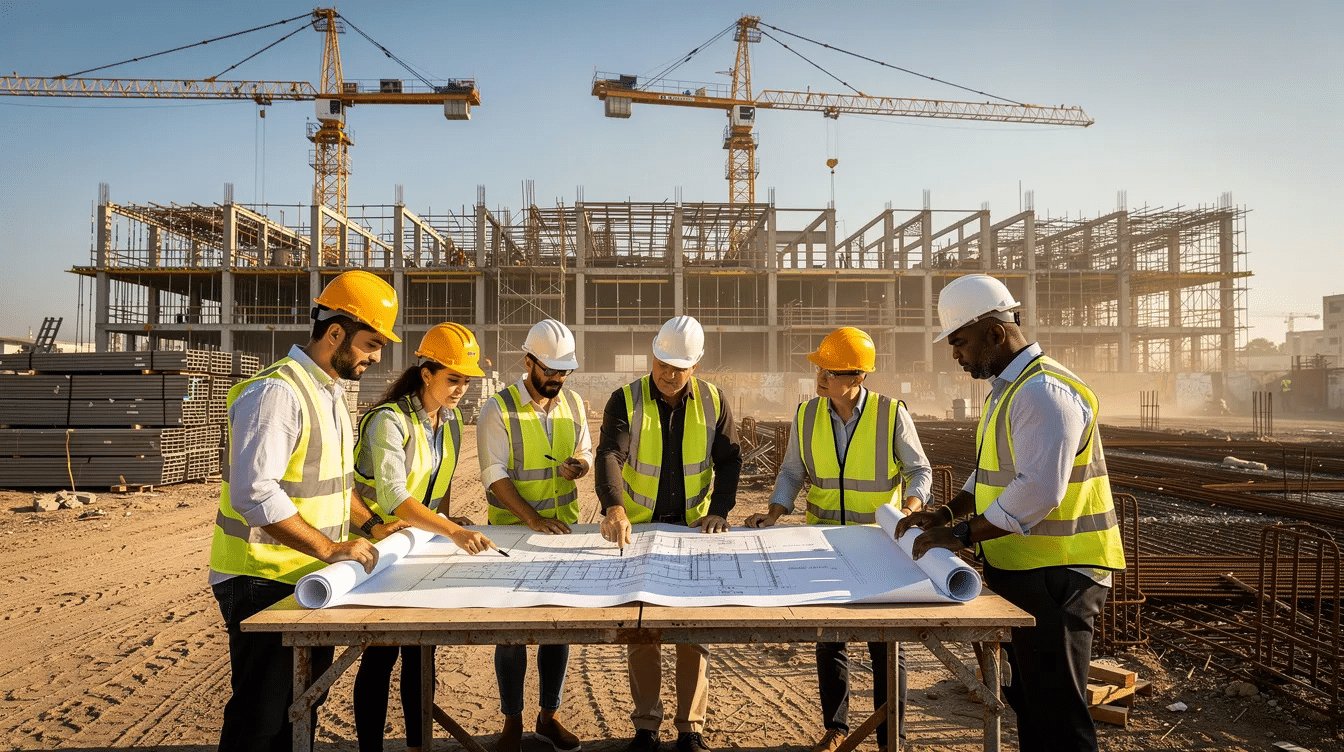
From ABC Hawaii’s perspective, these national trends intersect with Hawaiʻi’s unique conditions in ways that amplify both challenges and opportunities. Island supply chains, a tourism-driven economy, a substantial military presence, and a cost of living 40–50% above mainland averages all shape how construction companies on the islands must operate. The central question for 2026 is not “Is there enough work?” but rather “Can firms deliver that work profitably, safely, and with the workforce they need?”
Transition to next section:
With this context in mind, understanding the stability of demand and backlog is the next step in assessing how firms can position themselves for success in 2026.
Despite headlines about economic headwinds, construction activity remains fundamentally solid heading into 2026. The underlying demand picture provides a foundation for strategic growth—if firms can execute effectively.
The key insight for 2026 is that robust backlogs shift the strategic focus from demand risk to execution risk. Scheduling precision, cost controls, and workforce availability are no longer just operational concerns—they are the factors that determine whether strong backlogs translate into actual profitability.
Transition to next section:
With demand stable, the next major challenge is managing rising costs and supply chain volatility.
Cost pressures have become a defining feature of the current construction market. While general inflation has moderated, construction input costs—especially for building materials—continue to outpace broader economic trends, squeezing margins and forcing changes to how firms approach bidding and procurement. Fluctuations in building materials prices and ongoing supply chain disruptions are directly impacting construction budgets and project timelines, making cost management and sourcing strategies more critical than ever.
| Material Category | Year-over-Year Change | Cumulative Impact |
|---|---|---|
| Steel | 15–20% increase | 30-year high effective rates |
| Nonferrous metals (aluminum, copper) | 10–15% increase | 20–25% cumulative since earlier tariff rounds |
| Electrical equipment | Significant increases | Tariff-driven volatility |
| General construction inputs | 4–6% annual increase | Outpacing 2–3% general CPI |
Nearly half of engineering industry executives surveyed report ongoing supply chain concerns tied to geopolitical tensions, trade policy shifts, and logistics bottlenecks. Red Sea shipping disruptions, port congestion, and unpredictable lead times continue to affect project planning. These persistent supply chain issues, combined with rising costs of building materials, have led to project delays for many construction firms.
To address these challenges, contractors are:
Ocean freight dependency means national material price spikes hit the islands harder. A 10% national steel increase can translate into 25–30% locally due to Jones Act constraints and congestion at Honolulu Harbor. Successful Hawaiʻi contractors are building 3–6 month lead times into schedules, maintaining strong relationships with Pacific suppliers, and pricing bids realistically to avoid losses that can exceed $500,000 on mid-sized jobs.
Transition to next section:
As cost and supply chain pressures mount, the availability and development of skilled labor becomes the next critical constraint for the industry.
Labor shortages have moved from a long-term concern to an immediate brake on growth. The construction industry continues to face significant labor shortages, with a projected need for 499,000 new workers by 2026. This shortage is driven by several factors:
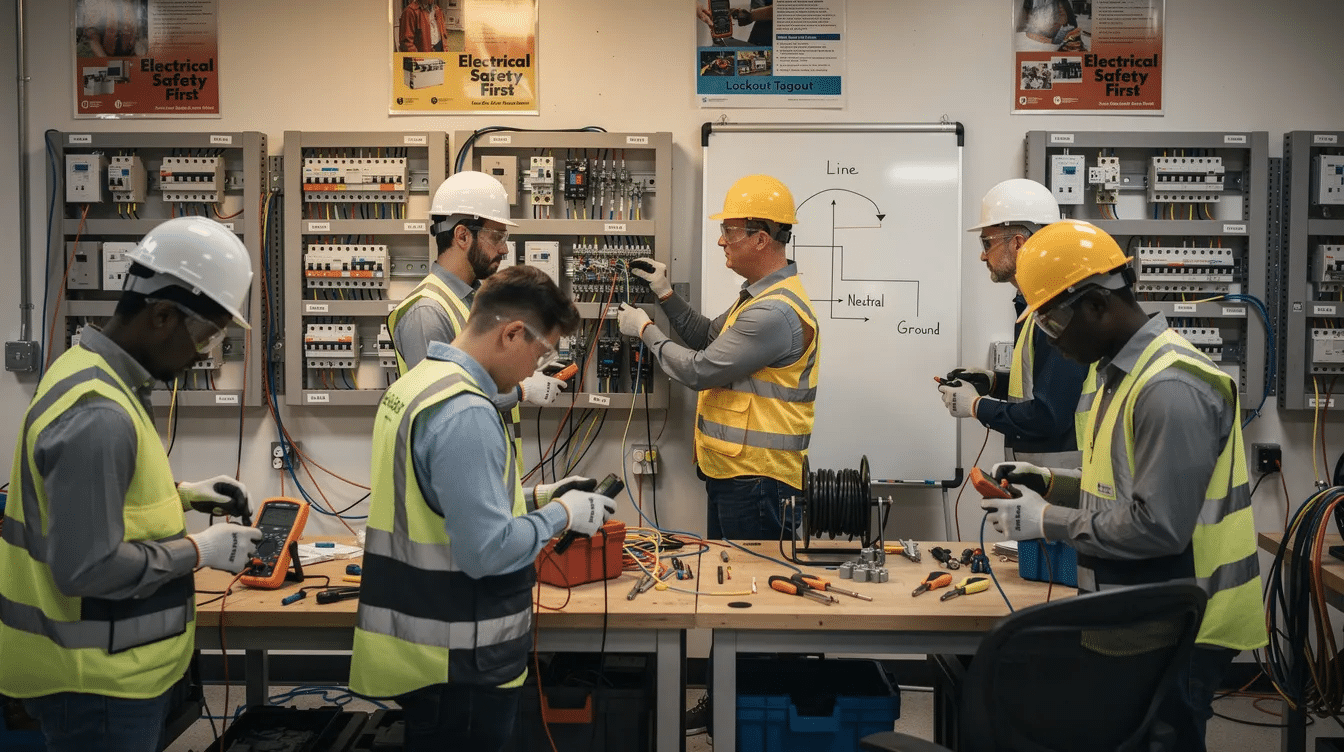
ABC Hawaii provides registered apprenticeship and craft training in carpentry, electrical, plumbing, painting, roofing, and other trades. These programs offer debt-free pathways to careers with $60,000+ starting wages after training, with an 80% retention rate among program graduates. In a market where the Bureau of Labor Statistics shows persistent labor constraints, structured apprenticeship programs help members build sustainable talent pipelines.
These conditions make safety training, OSHA certification, and clear career progression pathways critical for attracting high school graduates and career changers to the trades.
Transition to next section:
With labor shortages shaping project capacity, the next consideration is how sector-specific trends are influencing where growth and opportunity are most likely in 2026.
The 2026 construction market is best described as mixed or “uneven” rather than uniformly strong or weak. This uneven outlook means that while some sectors—such as data centers, energy infrastructure, and large-scale infrastructure projects—are experiencing robust growth, others, such as residential and commercial office construction, remain constrained. Megaprojects, particularly in data centers, are crucial for maintaining construction activity amid broader market challenges.
| Sector | 2026 Outlook | Key Drivers |
|---|---|---|
| Data centers | 20–30% surge | AI demand, hyperscale expansion |
| Power/grid infrastructure | Strong growth | Renewable energy transition, grid upgrades |
| Water/aviation | Steady | Infrastructure Investment and Jobs Act funding |
| Heavy civil engineering | Robust | Highway and port work under IIJA |
| Semiconductors/advanced manufacturing | 10% growth | Defense, biomanufacturing, CHIPS Act |
For Hawaiʻi contractors, the strongest opportunities align with:
The nonresidential construction growth projection of 2.6% nationally may seem modest, but selective positioning in high-demand sectors can yield significantly better results for well-prepared firms.
Transition to next section:
As project types and delivery models evolve, firms must adapt to new ways of working to remain competitive.
As the construction industry enters 2026, the landscape of projects is rapidly evolving to reflect new market demands and technological advancements. The surge in data center projects, fueled by the exponential growth of cloud computing and artificial intelligence, is reshaping priorities for construction firms nationwide. At the same time, robust infrastructure investment—spanning transportation, utilities, and water systems—is driving a shift toward larger, more complex nonresidential construction projects.
Commercial construction and advanced manufacturing facilities are also at the forefront of this transformation, with manufacturing construction activity seeing a notable uptick as companies reshore operations and invest in next-generation production capabilities. According to the Dodge Construction Network, overall construction spending is projected to rise in 2026, with nonresidential construction leading the way as residential construction remains constrained by elevated interest rates and borrowing costs.
However, these opportunities come with significant challenges. Persistent labor shortages and rising material costs continue to pressure construction companies, making it harder to deliver projects on time and within budget. In response, firms are increasingly turning to innovative project delivery models such as design-build and public-private partnerships. These approaches streamline coordination, reduce risk, and help manage the complexities of modern construction projects—especially those involving data centers and advanced manufacturing.
By embracing new delivery models and adapting to the changing mix of project types, construction firms can better navigate the current environment of cost pressures and resource constraints. The ability to execute efficiently on high-demand projects will be a key differentiator in a competitive construction market shaped by ongoing infrastructure investment and technological change.
Transition to next section:
With project complexity rising, risk management and financial discipline are more important than ever.
In 2026, profitability depends heavily on strategic discipline rather than simply chasing volume. With tighter margins—down 1–2% industry-wide—every project decision carries greater weight.
To maintain profitability, firms should:
In Hawaiʻi’s small, interconnected construction market, reputation carries exceptional weight. Firms with strong safety records (TRIR below 1.0) win an estimated 25% more bids. Consistent, high-quality project delivery builds the relationships that sustain business through market cycles.
Research from the CLM Alliance indicates that disciplined controls mitigate approximately 40% of delay risks, while small and mid-sized firms face 5% higher cost overruns than 2% for larger, more systematized competitors.
Transition to next section:
As risk management becomes more sophisticated, technology and digital tools are increasingly essential for staying competitive.
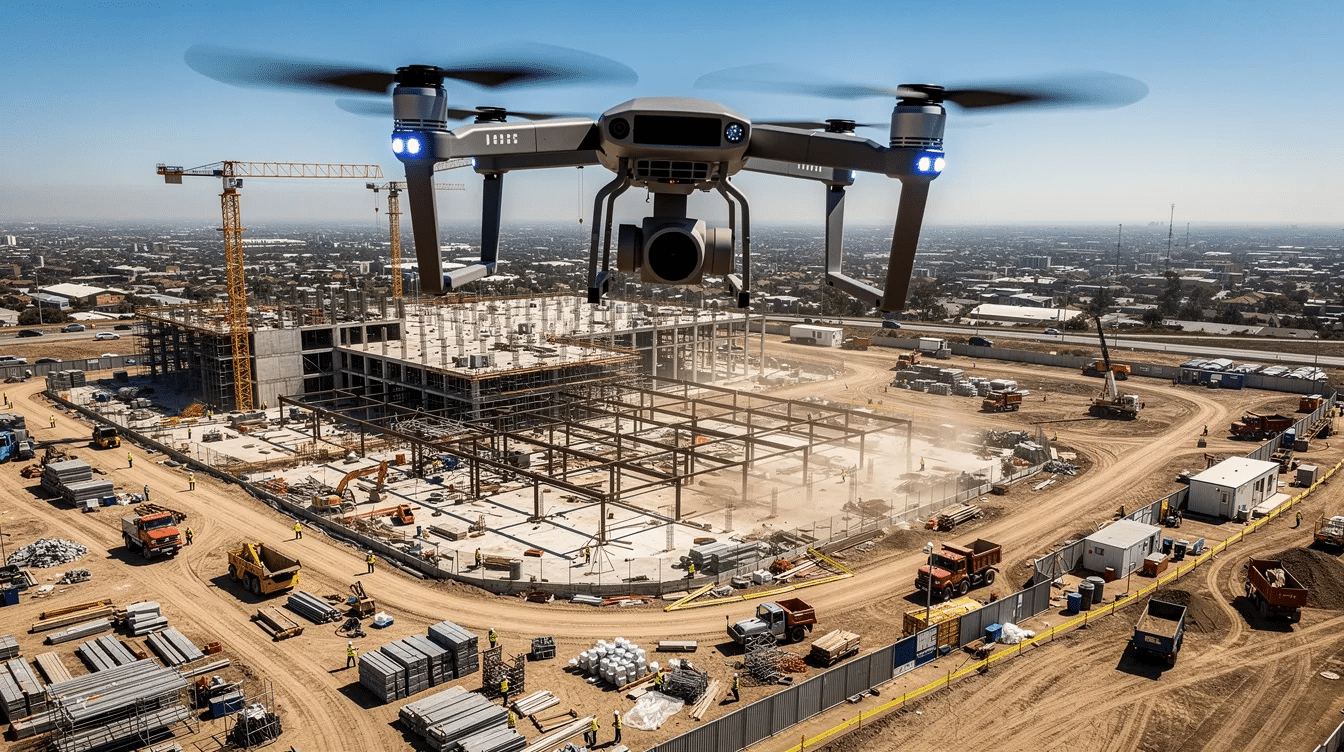
Labor constraints and margin pressures are accelerating technology adoption across the construction and engineering industry. What was once a competitive differentiator is becoming a baseline requirement for sustainable operations.
| Function | Technology | Benefit |
|---|---|---|
| Estimating | AI-powered takeoffs | 15% accuracy improvement |
| Scheduling | Optimization algorithms | Reduced delays |
| Field management | Mobile platforms, BIM | Better coordination |
| Safety | Wearables, analytics | 30% incident reduction |
| Forecasting | Predictive models | 20% variance reduction |
While larger firms lead in adoption (80% use advanced tools), cloud-based platforms like Procore and Autodesk Construction Cloud make digital transformation accessible at $50–100 per user per month. Robotics and automation are beginning to address the 499,000-worker gap, with productivity gains of 20–30% on applicable tasks.
Digital adoption depends on data quality and trained people. Firms must invest in data governance and staff upskilling to realize full ROI—poor implementation wastes an estimated 30% of technology investments. ABC Hawaii is integrating digital literacy into apprenticeship programs, recognizing that future construction workers need both craft skills and familiarity with jobsite technology.
Transition to next section:
With technology reshaping operations, leadership and management practices must also evolve to meet new challenges.
In 2026, effective leadership and agile management are more critical than ever for construction firms facing a landscape defined by ongoing uncertainty, labor constraints, and rising costs. As labor shortages persist and material costs continue to climb, construction companies must adopt a proactive approach to risk management and strategic growth to maintain their competitive edge.
Industry leaders—including associated builders and contractors, as well as general contractors—are responding by investing in skilled workers, refining procurement strategies, and accelerating digital transformation. The Bureau of Labor Statistics projects that labor costs will continue to rise, making it essential for firms to optimize project delivery and control input costs wherever possible. This means leveraging technology to improve efficiency, adopting data-driven decision-making, and building resilient supply chains to buffer against volatility.
The Associated General Contractors of America and other industry groups recommend that construction firms focus on developing robust talent pipelines, upskilling their workforce, and embracing innovation in both business models and project execution. By prioritizing workforce development, safety, and operational excellence, companies can better manage labor shortages and rising material costs while positioning themselves for future growth.
Ultimately, construction companies that foster a culture of adaptability, invest in their people, and embrace digital tools will be best equipped to navigate the challenges and opportunities of 2026. Strategic leadership—grounded in risk management, continuous improvement, and a commitment to quality—will set the foundation for long-term success in a dynamic construction and engineering industry.
Transition to next section:
External policy and regulatory factors will further shape the environment in which construction firms operate.
External policy forces will shape both demand and cost structure for construction firms throughout 2026 and beyond. Staying informed and proactive is essential for effective planning.
Enhanced immigration enforcement has tightened labor supply by 5–10% in trades where immigrant workers comprise a significant share of the workforce. Policy shifts in this area directly affect project staffing and labor costs, with variations by region and trade.
Tariffs on steel, aluminum, electrical equipment, and solar components continue to drive material prices higher. Cumulative tariff impacts of 20–25% on key inputs affect project budgeting and long-term owner decision-making about future projects.
Hawaiʻi’s commitment to 100% renewable energy by 2045, $500M+ resilience funding for sea-level rise adaptation, and active state and county policies on energy efficiency all shape the mix of public projects and compliance obligations. ABC Hawaii serves as an advocate and resource helping merit-shop contractors understand and respond to regulatory changes at the state and local level.
Transition to next section:
These policy and regulatory factors translate into specific day-to-day realities for Hawaiʻi contractors.
Global and national trends translate into specific day-to-day realities for firms operating in the islands. Understanding these dynamics is essential for strategic planning.
Contractors should use 2026 as a planning horizon to build stronger internal systems—safety culture, workforce pipelines, project controls—rather than only reacting to immediate pressures.
Transition to next section:
With all these factors in play, what is the strategic outlook for the construction industry in 2026?
The construction industry in 2026 is not contracting—it is recalibrating around new cost realities, workforce scarcity, and a shifting project mix toward infrastructure, technology, and energy-related work.
Disciplined execution, strong safety and training programs, and active engagement with associations like ABC Hawaii can transform a challenging environment into a competitive advantage. The interconnected nature of the island market rewards reputation, relationships, and reliability.
Success in 2026 depends less on timing the market and more on building resilient, adaptable organizations that can thrive through this cycle and beyond.
Smaller firms should focus first on foundational capabilities: accurate estimating systems, basic project controls, safety programs, and core workforce training. Start with affordable cloud-based project management and accounting tools before pursuing advanced AI or analytics platforms. Leverage trade associations like ABC Hawaii for shared training resources, safety courses, and peer benchmarking rather than building everything internally. Avoid overextending into too many new markets simultaneously—instead, deepen expertise in one or two sectors where demand is strongest and your capabilities align best.
Publicly funded infrastructure (roads, water systems, transit, airports), defense and military facilities, healthcare, education, and certain data and energy infrastructure typically remain more resilient through economic cycles. Renovation, maintenance, and retrofit work—including resilience upgrades and energy-efficiency improvements—often provides steadier pipelines than purely speculative new construction. For Hawaiʻi specifically, long-term needs in transportation, coastal and flood protection, and public facilities will likely continue regardless of short-term economic fluctuations.
Partner with apprenticeship programs to develop entry-level workers with structured training paths. Improve jobsite safety culture and clarity of career progression to enhance retention. Expand outreach to high school graduates, career changers, and underrepresented groups by emphasizing debt-free career paths and long-term earning potential in the trades. Better supervision quality and safety performance reduce turnover costs (averaging $20,000 per worker) and improve productivity. ABC Hawaii’s apprenticeship and craft training programs offer a concrete pathway to building sustainable talent pipelines in the islands.
Enterprise-level AI systems may be beyond the reach of many small construction companies, but practical steps are within reach. Start with integrated estimating, scheduling, and project management software that offers basic analytics and reporting capabilities. Pilot low-risk use cases—automated takeoffs, simple schedule optimization, or safety analytics—on a few projects before scaling up. Often, investing in staff training to use existing tools effectively produces greater gains than purchasing the newest advanced systems. Cloud-based solutions at $50–100 per user monthly make digital capabilities increasingly accessible to firms of all sizes.
In a tight labor market with compressed schedules, a strong safety culture functions as both a moral obligation and a competitive differentiator. Better safety performance reduces lost-time incidents, insurance costs (by 15–25%), and project disruptions. Safety records increasingly influence owner and general contractors’ selection decisions—firms with TRIR below 1.0 report winning significantly more bids. Formal safety training, OSHA courses, and consistent job-site practices, supported by programs like those from ABC Hawaii, help firms manage risk while maintaining productivity. View safety as integral to operational excellence and workforce retention, not simply a regulatory checkbox.