

June is National Safety Month, and 2026 marks the 30th annual observance led by the National Safety Council. This playbook is designed specifically for ABC Hawaii members and construction professionals across the islands. It provides a comprehensive framework to help you identify, address, and prevent hazards that cause workplace injuries, deaths, and other preventable incidents on Hawaiʻi job sites. The playbook covers actionable strategies, weekly activities, training resources, and continuous improvement methods tailored to the unique challenges faced by merit shop contractors in Hawaiʻi. National Safety Month is a critical opportunity to elevate safety standards, protect workers, and foster a culture of prevention in the construction industry statewide.
June has been designated as National Safety Month since 1996, and the initiative educates people on staying safe at work, at home, and on the road. Credible organizations, including the National Safety Council, OSHA, NIOSH, and ASSP, use June to raise awareness of the country’s leading safety and health risks.
National Safety Month 2026 includes four weekly themes, each targeting a specific hazardous area:
For 2026, the focus shifts to a different safety topic each week while keeping the same goal: prevent injuries, save lives, and make people safer at work, at home, and in the community, including children and elderly residents.
Preventable injuries represent the third leading cause of death in the United States, and preventable injuries are a critical public health issue in the United States. A preventable injury occurs every hour in the United States, and someone dies from a preventable injury approximately every two minutes in the United States.
Moving Safety Forward means building a proactive workplace culture before an injury happens. Start with a 30–60 minute stand-down on June 3 or 4. Owners, PMs, foremen, green apprentices, and employees should review recent near misses, job hazard analysis, pre-task planning, and stop-work authority.
Use daily toolbox talks on one safety topic:
Workers must feel safe reporting hazards without retaliation.
This week, update written safety and health programs for Honolulu, Kapolei, Kona, Hilo, and neighbor-island projects. Effective safety training mitigates common on-the-job hazards, and robust safety programs help companies comply with regulations and reduce workers’ compensation premiums.
Track leading indicators such as:
Roadway safety is vital for construction drivers and the public affected by fleet operations. In 2023, 44,450 people died in motor vehicle crashes; drowsy driving causes about 10% of vehicle crashes, and driver fatigue is a major workplace safety risk. Forty-four percent of fatalities at road construction sites are vehicle-related.
Hawaiʻi adds risk: H-1, H-2, H-3, Likelike, Pali, resort corridors, rain, congestion, and lane closures.
Hold a driver stand-down covering:
Audit every vehicle for:
Some employers may not realize they effectively operate a fleet when employees drive for work, even in personal vehicles.
Community campaigns promote defensive driving and awareness of distractions; contractors should do the same with crews and drivers.
The initiative emphasizes a holistic approach to worker health, beyond traditional safety hazards. Week 3 overlaps with ASSP Safety 2026, June 15–17, in Anaheim, where national safety leaders focus on Total Worker Health, mental health, stress, and psychological safety.
Use this week for well-being conversations:
NSC offers a free eLearning course on Naloxone for opioid overdose, and the NIOSH Total Worker Health workbook supports workplace safety. NIOSH provides multiple training resources to encourage safety engagement.
Prepare for Hawaiʻi heat:
Workplace incidents lead to increased employee absences and lowered morale, so addressing health is a business issue as well as a human one.
Slips, trips, and falls are a leading cause of workplace injuries. Falls are the leading cause of injury-related death for adults 65+; falls are the leading cause of injury-related death for adults 65 and older; and education on slips, trips, and falls helps safeguard elderly residents and pedestrians.
In 2022, falls from elevation caused 81% of fatal falls. Construction workers account for 49% of fatal slips, trips, and falls, and construction workers made up nearly 49% of fatal slips and falls. Providing slip-resistant shoes reduced claims by 67% in food service, a useful reminder that practical controls work.
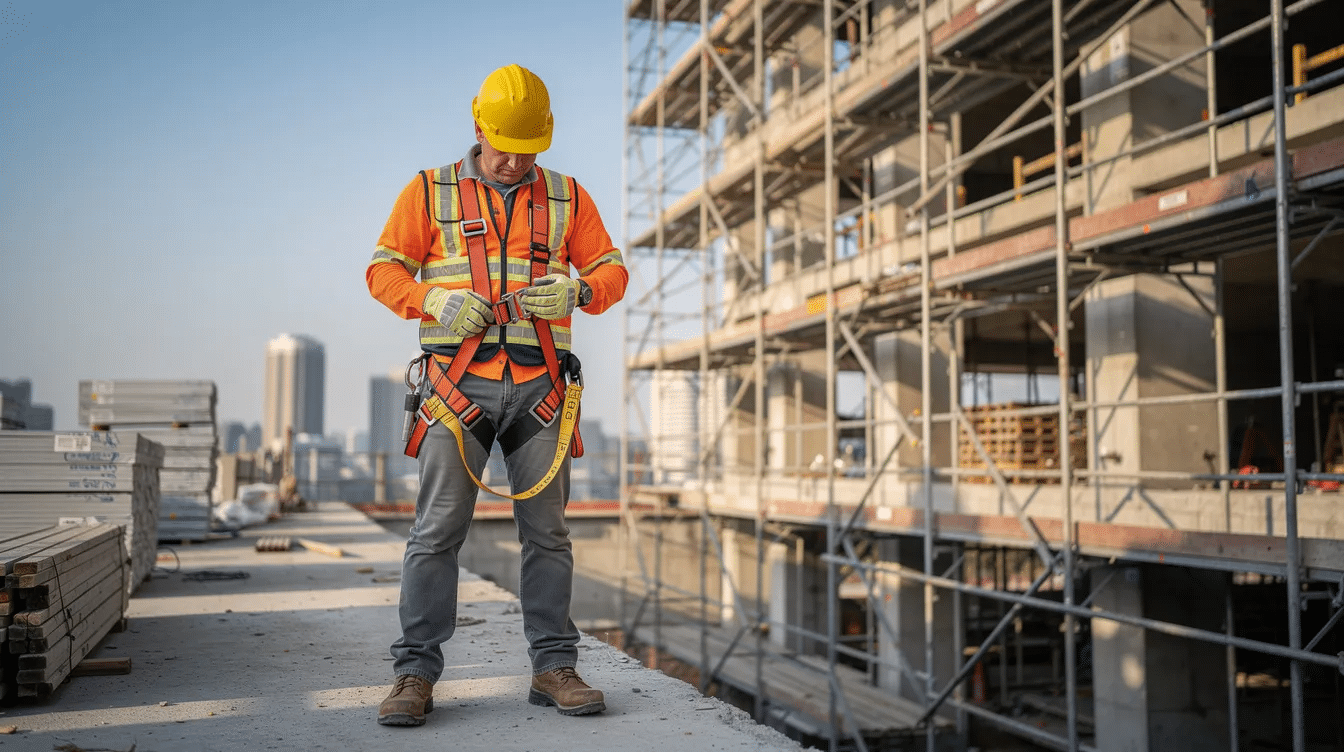
Run a fall protection stand-down.
Audit the following:
Practice:
National Safety Month should become a year-long system. Document every stand-down, toolbox talk, audit, corrective action, and employee engagement idea.
In July, review results and decide what becomes permanent.
In 2022, preventable work deaths totaled 4,695 in the U.S. In 2023, there were 223,000 preventable injury-related deaths at work. Deaths in the United States show why safety issues faced by contractors require constant focus, research, communications, and leadership.
ABC Hawaii is a go-to resource for merit shop occupational safety, workforce development, and construction training. We help members with OSHA 10/30, fall protection, scaffold, trenching, electrical safety, first aid/CPR, incident review, and Hawaiʻi Occupational Safety and Health requirements.
Our Hawaii Craft Training & Apprenticeship programs in carpentry, electrical, plumbing, painting, and roofing build safe practices into each job from day one. Members can contact ABC Hawaii for tools, checklists, sample stand-down agendas, and safety-issue guidance tailored to local job sites.
Pick one action for each week. Register for free resources from NSC, and remember that NSC members receive exclusive resources during National Safety Month. If you are not connected, join NSC for broader national safety materials, then adapt them with ABC Hawaii support.
Schedule stand-downs now, assign one coordinator, capture attendance, and report results. The importance is simple: protect workers, prevent injuries and deaths, and improve lives across Hawaiʻi.
Hold one all-hands stand-down, deliver four short toolbox talks, inspect ladders and fall protection, and use free resources instead of building materials from scratch.
The initiative is voluntary, but documented training, inspections, procedures, and corrective actions can support compliance with OSHA and HIOSH. Keep sign-in sheets and photos.
Make toolbox talks weekly, management walks monthly, and focused audits quarterly. Rotate employees into inspections so safety does not sit with one person.
Track:
ABC Hawaii can review your plan, share resources, schedule training, and help align your National Safety Month activities with Hawaiʻi construction risk.