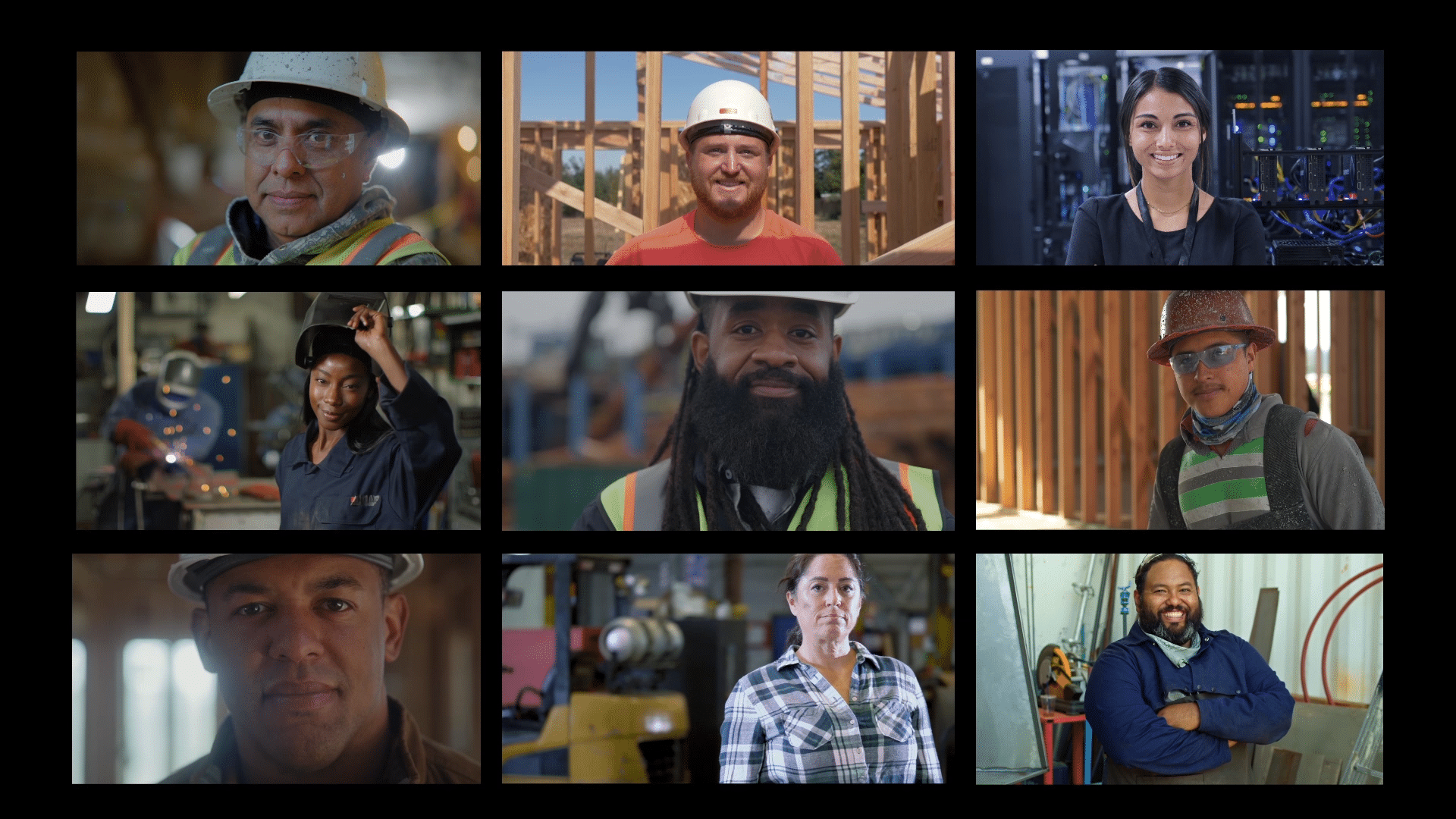


Marcus frames somatic awareness as a job-ready practice: recognizing physical sensations such as a tight jaw, shallow breath, jumpiness, numbness, or muscle tension, then responding before stress takes over.
Somatic means “of the body.” Somatic awareness refers to conscious perception and interpretation of bodily sensations and internal states, playing a crucial role in the mind-body connection and overall health. It is not somatic therapy, trauma therapy, or treatment by a somatic therapist. It is also not generic mindfulness meditation, though somatic awareness and mindfulness share similar constructs: focused, non-judgmental attention to present experiences that helps workers become more aware of bodily experience and has clear benefits, including better emotional regulation and fewer symptoms of anxiety and depression, while also increasing self-awareness and stress management.
On-site, this may look like micro-tremors when using a rotary hammer, tunnel vision on scaffolds, clenching the steering wheel after an early Oʻahu flight, or feeling checked out during a pre-task plan. Mindfulness-Based Stress Reduction, or MBSR, uses body scan meditation to enhance somatic awareness, contributing to better stress management and overall well-being. Practices such as body scan meditation, mindful yoga, and progressive muscle relaxation are effective methods to develop somatic awareness, which can improve emotional regulation and reduce symptoms of anxiety and depression.
Callout: core elements vary widely. Somatic awareness is a field skill. Somatic experiencing, associated with peter levine, is a therapeutic approach. Somatic therapy focuses on healing trauma and traumatic experiences in clinical context.
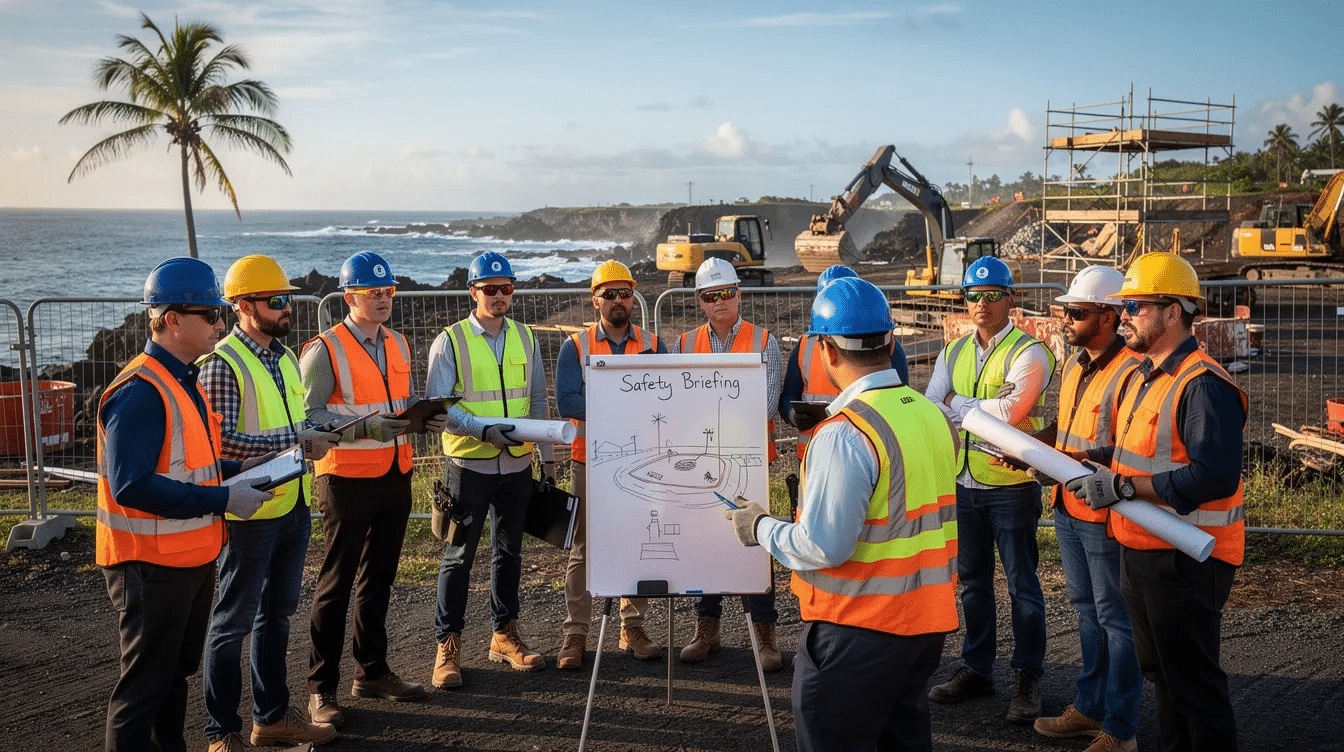
Hawaiʻi construction runs on relationships. Crews move between Oʻahu, Maui, Hawaiʻi Island, Kauaʻi, and neighbor islands; supervisors may leave ʻohana for a Sunday night flight to Līhuʻe, then return late Friday. Small Hilo, Lahaina, or military housing crews often override body signals because no one wants to “be the problem.”
That pressure has power. One mistake at a Pearl Harbor dry dock, the Hickam project, a Waikīkī hotel, or a Kona residential site travels fast. Anxiety, self-blame, and distress can stay hidden behind “I’m fine.” ABC Hawaii’s Practical Guide for Hawaii Contractors already frames mental health strain as a system hazard; somatic awareness adds the individual nervous-system layer.
Allostatic load is chronic stress build-up: 4:30 a.m. flights, impact-tool noise, understaffing on a Big Island subdivision, family financial stress, chronic pain, and sleep debt. The window of tolerance is the range where a worker can think, focus, communicate, and follow procedures. Trauma exposure, such as the Maui fire recovery after a traumatic event, can shrink that window.
Neuroscientific models show that the body stores memories of trauma and chronic stress long after an event has passed, with brain structures such as the insular cortex and anterior cingulate cortex helping process somatic perception and self-awareness. Chronic stress can trap the body in a prolonged fight-or-flight or freeze state. The gut and the brain communicate constantly, and calming physical tension can soothe stress-induced digestive distress. Research indicates that heightened somatic awareness is linked with lower blood pressure, better sleep, and improved health outcomes; high interoceptive awareness is correlated with superior emotional regulation skills.
The field result is practical: when these body-based stress cues go unaddressed, they can lead to missed radio signals during crane picks, skipped harness checks, forgotten confined-space steps, or silence when someone should speak up. A 2025 Clayco survey reported 64% of construction workers experienced anxiety or depression in the past year. CDC data show construction and extraction workers face an elevated suicide rate. CPWR/NIOSH research also connects work stress with poorer attention, judgment, and safety performance.
JHAs already know the hazards: electrical shock, heat stress, and struck-by hazards. Add nervous-system state.
Ask:
Use a 30–45 second body awareness check: scan breath, posture, tension, and focus-no forced sharing.
Example JHA line: “Hazards: ladder fall, energized circuit, heat stress, visible fatigue, shaking hands, tunnel vision; control: spotter, lockout/tagout, water break, 60-second reset.”
Reading body language is not a soft skill. It is like noticing bad rigging. Watch for hunched shoulders, unfocused eyes, unusually fast talk, slowed response, fidgeting with tools, aggressive joking, sudden withdrawal, or numb affect; these cues can involve both physical sensations and emotional responses, which is why supervisors should treat them as safety data.
Hawaiʻi context matters: respect for kūpuna, reluctance to challenge senior tradespeople, and understated feelings can mask symptoms, so supervisors need an understanding of what those body cues may be signaling before they respond. A simple training flow:
Use specific language: “I noticed your hands shaking on that ladder. Let’s take 60 seconds and reset.” Avoid labels.
These techniques are brief regulation exercise options that require no yoga mat, massage table, dance floor, bodywork room, or special energy practice.
These are not therapy. They are physical regulation tools that support mental health, chronic pain management, well-being, and safe reaction time.
ABC Hawaii’s Total Human Health work already connects safety, mental health, workforce development, and practical guidance beyond OSHA compliance. Somatic awareness can be integrated into fall protection, electrical safety, heat illness, apprenticeship, carpentry, electrical, plumbing, painting, and roofing training.
Try three Safety Week micro-activities:
ABC Hawaii can help members with templates, sample agendas, and short training sessions so that HR leaders, project managers, and safety directors do not start from scratch.
No new budget line item is required. This is an essential method for protecting the integrated whole: body, brain, self, crew, company, and community.
No. Somatic therapy and somatic experiencing are clinical forms of therapy delivered by practitioners. Somatic therapy focuses on the body and how emotions manifest physically, positing that traumatic events or unresolved emotional issues can become trapped in the body. Somatic therapy aims to relieve debilitating emotions that often manifest in physical symptoms, such as muscle tension and discomfort in the neck, shoulders, and back.
Techniques used in somatic therapy can include deep breathing, relaxation exercises, meditation, dance, yoga, and bodywork, all aimed at helping individuals connect with bodily sensations and emotions. Jobsite somatic awareness borrows the concept of awareness, not the clinical treatment.
Many workers carry pain from overhead work, lifting, and long days on concrete. Somatic awareness helps workers notice whether discomfort is normal fatigue, stress-related tension, or an injury warning sign.
Some may. Frame it as safety data, not psychology. The future of Hawaiʻi construction depends on practical tools that protect life, focus, and the people who build our islands.