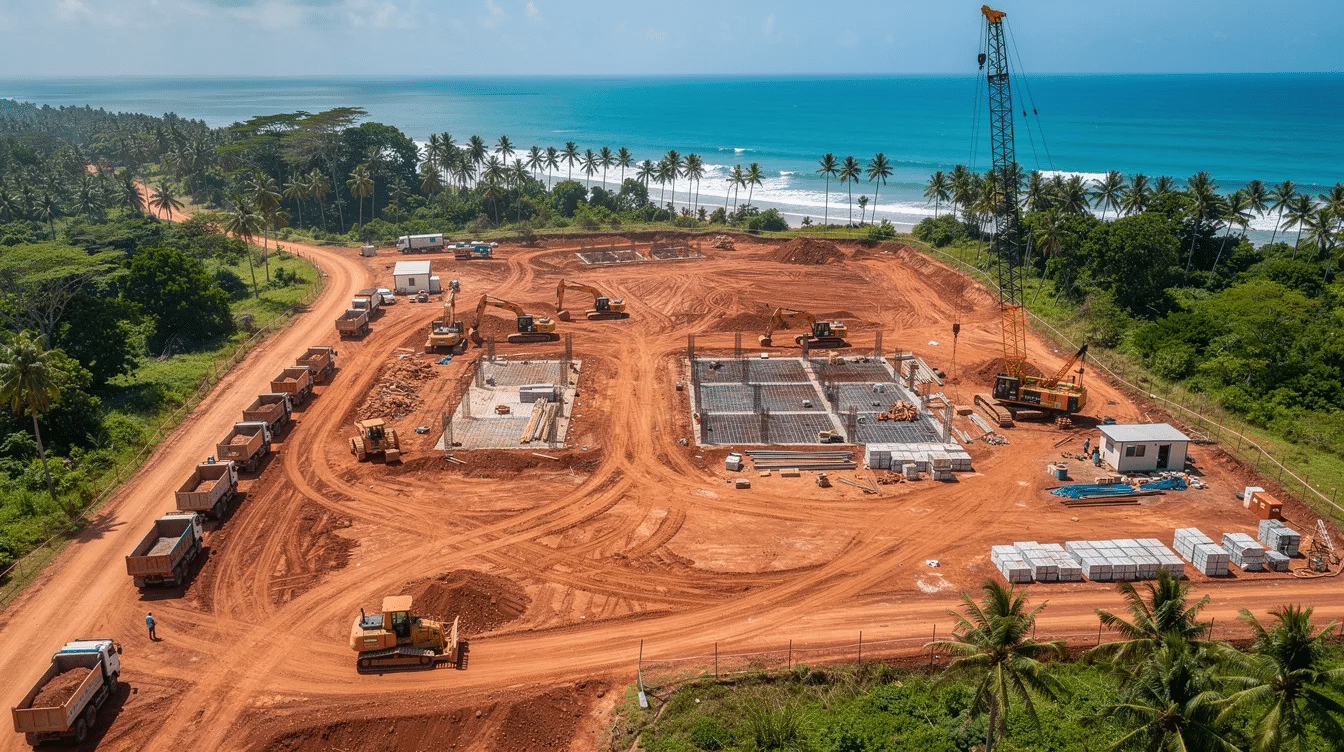
Hawaiʻi contractors already face the highest construction material costs in the nation. The 2026 federal tariff transition—from Section 122 to Section 301—will add new pressure to delivered prices across Honolulu, Maui, Kauaʻi, and Hawaiʻi Island. This briefing breaks down what you need to know and what you should do before the July 24 deadline.
Hawaiʻi contractors operate in America’s most expensive construction materials market, and the 2026 federal tariff transition will further shape delivered prices to jobsites across all islands.
The April 2026 Barnes Dennig construction economic newsletter confirms the producer price index for construction materials stands at 354.9—a new all-time peak, up 6.0% year-over-year through March. Total building material prices are up approximately 3.1% to 3.5% compared to May 2025.
Key material prices driving this baseline:
| Material | Current Price/Change | YoY Movement |
|---|---|---|
| COMEX Copper | ~$5.76/lb | +32% |
| Steel Pipe & Tube | — | +12.5% |
| Cement | — | +7.7% |
| Urban Honolulu ranks around 44th in national MSA Construction Potential but posted 3.1% year-over-year construction GDP growth. The combination of long Pacific shipping routes, limited local manufacturing, and inter-island freight means construction material prices in Hawaiʻi rarely move one-for-one with mainland trends. |
Every percentage point of tariff or mainland price increase on construction materials expands into a larger percentage increase by the time the product reaches a Hawaiʻi jobsite. Supply and demand dynamics significantly influence construction material costs, with higher demand during busy construction seasons leading to higher prices, especially when supply is constrained by global shortages and disruptions.
Core structural factors driving the multiplier:
Lean-inventory practices among Hawaiʻi distributors—holding just 2-4 weeks’ supply versus 8-12 weeks on the mainland—mean price shocks are transmitted within 7-14 days. A 5-10% Section 301 duty increase on steel or aluminum could translate into more than 10-15% on invoices for neighbor-island deliveries once logistics are factored in.
Understanding the procedural timeline is essential for procurement planning. New or expanded tariffs on imported materials can directly increase construction material prices.
| Date | Event |
|---|---|
| 2025 | Supreme Court IEEPA ruling strikes down original broad tariff system |
| February 2026 | Section 122 temporary 10% tariffs enacted as bridge |
| March 15, 2026 | Section 301 investigations launched (structural excess capacity, forced labor) |
| May 1–June 10, 2026 | USTR public comment window opens |
| July 24, 2026 | Section 122 tariffs expire |
| Mid-July 2026 | New Section 301 schedule announced with immediate effect |
| Contractors should treat July 24 as a hard line in procurement and bidding calendars. The Section 301 framework will target China (which produces 55% of global steel and has 30% overcapacity) and countries with forced-labor concerns in supply chains for building materials. |
As of May 2026, construction material costs are experiencing a resurgence in volatility, with a 12.6% annualized increase in input costs driven by energy and metal product surges. Inflationary pressures contribute to rising material costs, as the general increase in the cost of goods and services across the economy impacts construction materials.
Copper prices, driven by AI data center demand, U.S. grid upgrades (requiring 2.5 million tons annually), and Chinese smelter curtailments (15% of global capacity cuts), are pushing electrical wire, conduit, and copper wire costs up 28-35% delivered in Hawaiʻi. Steel prices affect structural packages, fire protection systems, and mechanical piping for resorts and military work.
Cement cost increases affect ready-mix concrete, precast components, and masonry materials—critical for hurricane-resistant coastal structures that require robust specifications. These cost trends add to Hawaiʻi’s high baseline logistics and labor costs, squeezing margins more severely than in mainland markets.
Geopolitical tensions, trade disputes, and changes in international trade policies can disrupt construction-material supply chains, leading to price increases. Energy and freight costs have increased due to a spike in oil and natural gas prices (up 30% YoY), which is impacting the manufacturing and shipping costs of heavy materials.
Structural excess capacity in Chinese and Asian steel and aluminum production is prompting scrutiny under Section 301. Forced labor concerns in certain mining, metals, and manufactured building products supply chains may lead to selective bans or higher compliance costs. Shipping routes across the Pacific remain exposed to conflicts that affect fuel prices, thereby raising freight and input costs.
Track how producer price changes for metals, cement, and other materials align with tariff announcements—those shifts appear in Hawaiʻi distributor quotes within weeks.
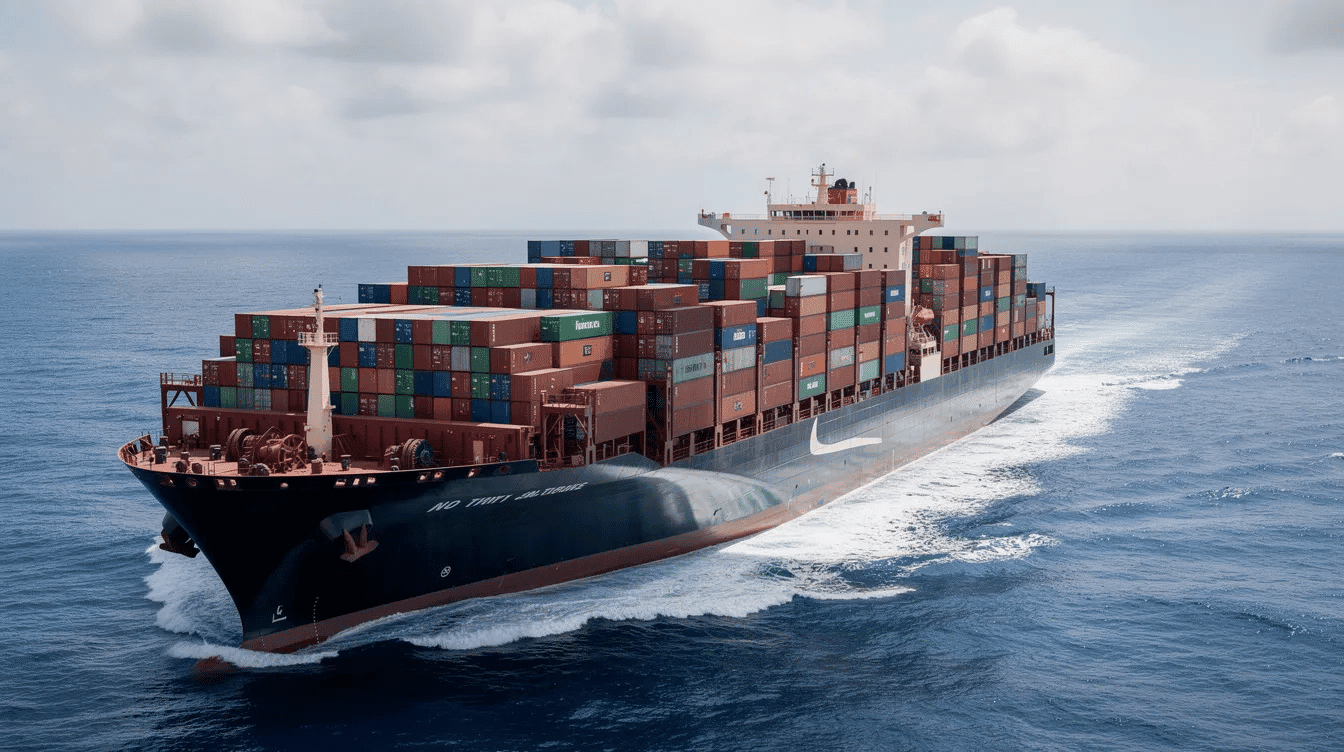
Materials often move from mainland or Asian ports to Honolulu, get warehoused or cross-docked, then re-shipped by barge to Maui, Kauaʻi, and Hawaiʻi Island—each step adding cost and lead time.
Tropical climate and hurricane exposure drive design choices requiring:
Urban Honolulu’s 3.1% construction GDP growth reflects ongoing hospitality, resort, public works, and DoD-related projects—all competing for similar materials and labor. The risk of stock-outs remains high: when mainland distributors tighten supply and prioritize closer markets, Hawaiʻi contractors face longer lead times and frequent price escalations.
You cannot simply apply mainland cost trends. Add a realistic island-economy premium when forecasting construction material costs and bidding work into 2027.
Material price volatility has become more uneven across categories, with different materials following their own pricing patterns rather than moving together, making it difficult for contractors to rely on broad trends.
High-exposure categories:
Rapid changes in construction material prices and tariffs can erode the profitability of fixed-price contracts if escalation and freight contingencies aren’t clearly defined. Rising material costs can lead to delays in the production process and increase financial risk for contractors, ultimately affecting the availability and affordability of housing.
The rise in building material costs is harming housing affordability, as costs of materials like softwood lumber, steel, and aluminum drive up housing prices. Higher construction costs due to rising material prices are passed on to home buyers, exacerbating existing housing affordability issues and slowing down the overall housing market.
Inflation remains a significant factor in construction costs, closely tied to financing conditions, with higher interest rates increasing borrowing costs and putting additional pressure on contractors and developers.
Section 301 represents a structural shift in input costs for Hawaiʻi’s construction industry.
Potential scenarios:
Include Section 301 assumptions in 2027 project forecasting, especially for sectors with long design and permitting timelines.
Here’s your checklist for protecting margins and managing risk:
Locking in material prices through long-term contracts can protect against sudden price increases, enabling better budgeting and planning. Proactive purchasing—buying materials well in advance—helps avoid future price hikes. Expanding access to materials by negotiating new trade agreements can help mitigate rising costs, as seen in calls for a new softwood lumber agreement with Canada.
The May–early June 2026 public comment window is a practical tool for influencing which materials and countries are subject to higher tariffs.
How to participate:
Submit through the USTR Section 301 docket (regulations.gov docket USTR-2026-0007).
ABC Hawaii serves as an advocate and information hub for merit-shop contractors navigating material costs and trade policy.
Member benefits:
In 2026, construction material costs are expected to remain unstable, with continued pressure from inflation, supply constraints, trade policies, and geopolitical tensions, leading to short-term price swings across different materials. Forecasting the 2026 cost outlook for construction materials is highly uncertain, as prices are shaped by material-specific pressures necessitating individual tracking of each category.
Forward-looking guidance:
Increasing demand for eco-friendly materials and stricter environmental regulations can also lead to higher material costs—factor this into long-term planning.
In Hawaiʻi’s high-cost environment, efficient crews and well-trained workers are critical to controlling total project cost.
Contractors can control material costs by using materials more efficiently, including minimizing waste and recycling materials where possible, as part of sustainable practices. Investing in apprenticeship and craft training programs (carpentry, electrical, plumbing, painting, roofing) through programs like those offered by ABC Hawaii can reduce rework, material waste, and schedule delays by 8-15%.
Strong safety and OSHA compliance training helps avoid incidents that shut down sites and interrupt just-in-time deliveries—especially costly given inter-island logistics. Pair advanced project management tools with trained field leaders to sequence work, protect high-cost materials, and compress durations even in volatile pricing environments.
Once the Section 301 schedule is finalized (likely around or shortly after July 24, 2026), importers will apply new duties to affected materials immediately. Hawaiʻi contractors will see the impact as soon as new shipments are priced. For materials already in Hawaiʻi warehouses before the effective date, prices may hold briefly, but lean inventories (2-4 weeks’ supply) mean most distributors pass through new tariff costs within weeks. Ask suppliers explicitly which purchase orders will be subject to pre- or post-Section 301 duty rates—get it in writing.
All islands feel tariff and producer price changes, but Kauaʻi and Hawaiʻi Island often see more volatility due to reliance on transshipment from Oʻahu and fewer local stocking distributors. Maui and the neighbor islands experience additional freight markups and longer lead times. Contractors on neighbor islands should secure early commitments and maintain higher contingency in bids.
Some aggregates, lumber, and specialty products can be sourced locally, but most steel, cement, electrical gear, and manufactured components must be imported. Local sourcing covers less than 20% of needs. Explore local options where they meet performance and code requirements, but treat them as part of broader diversification—not a complete solution.
Use clear, data-backed explanations that cite PPI levels, copper and steel price trends, and the Section 122-to-Section 301 transition to justify escalation clauses. Offer owners options: fixed-price with higher contingency, or shared-risk models where prices adjust based on transparent indices. Let them choose their volatility tolerance.
ABC Hawaii provides members with timely updates on Section 301 investigations, material costs trends, and advocacy opportunities—including templates for public comments. Through networking events and member directories, ABC Hawaii connects contractors with suppliers and peers for coordinated purchasing and shared intelligence on material prices and availability across the islands. Training programs help companies improve productivity and safety to offset rising construction materials costs.