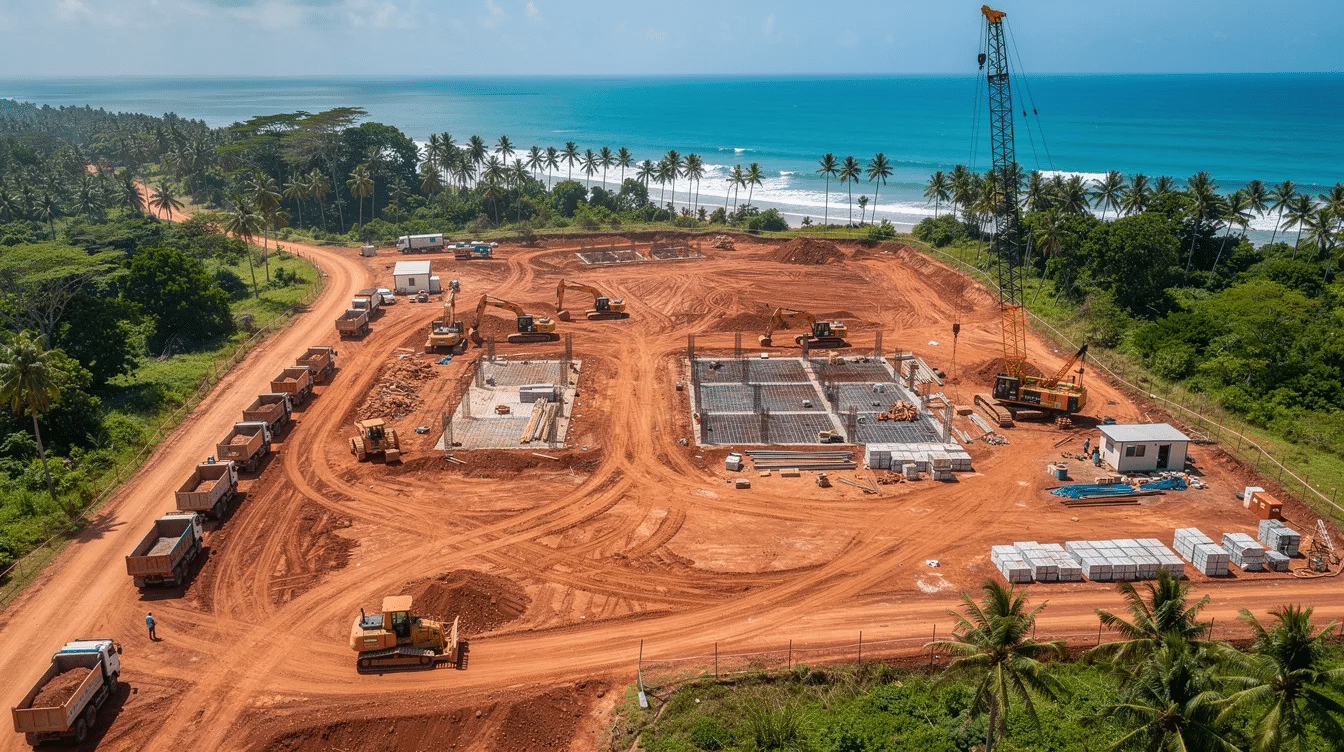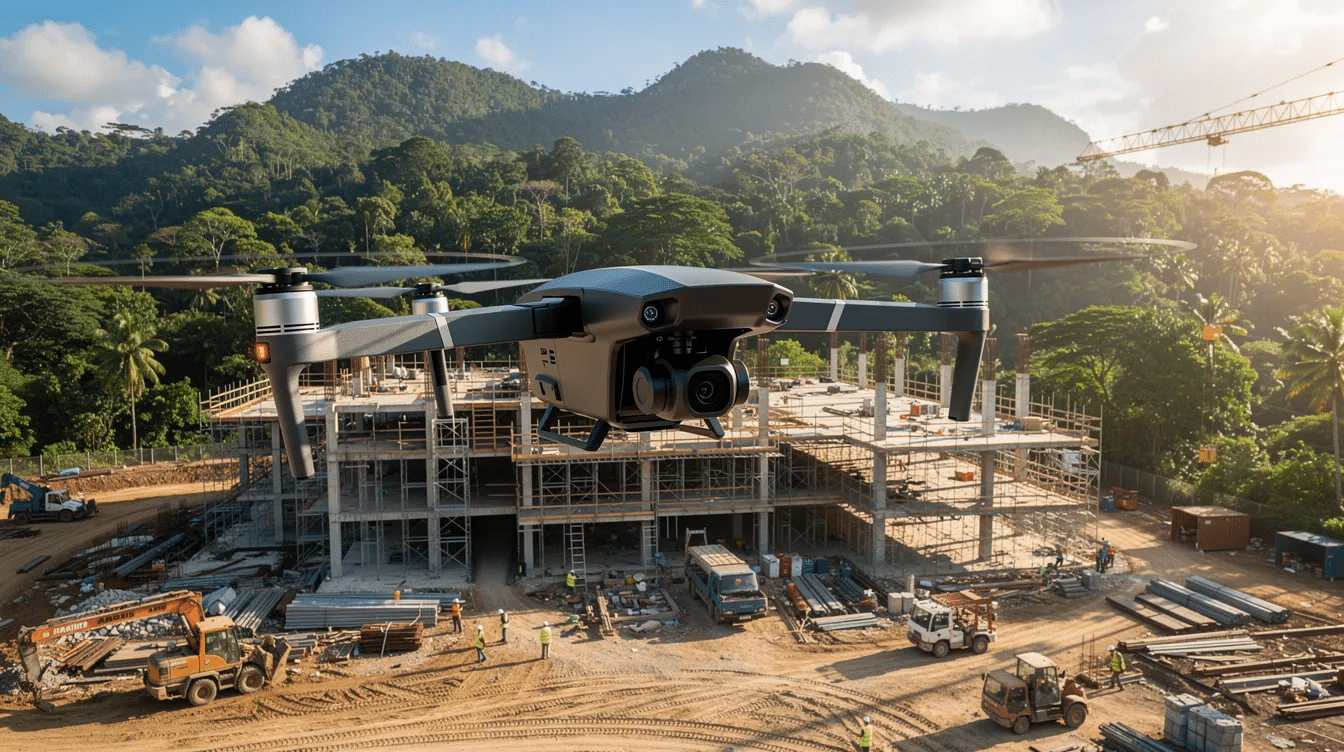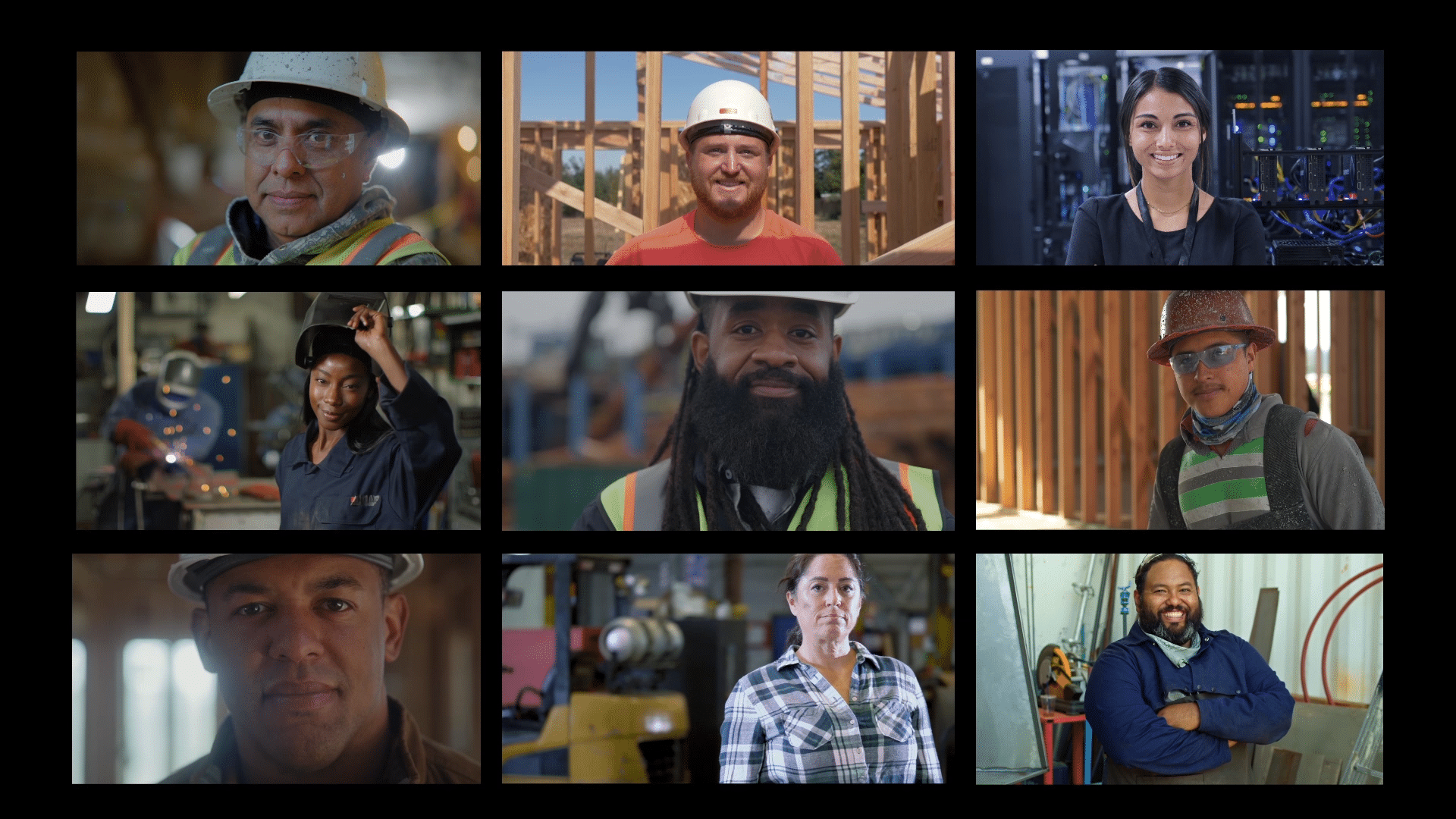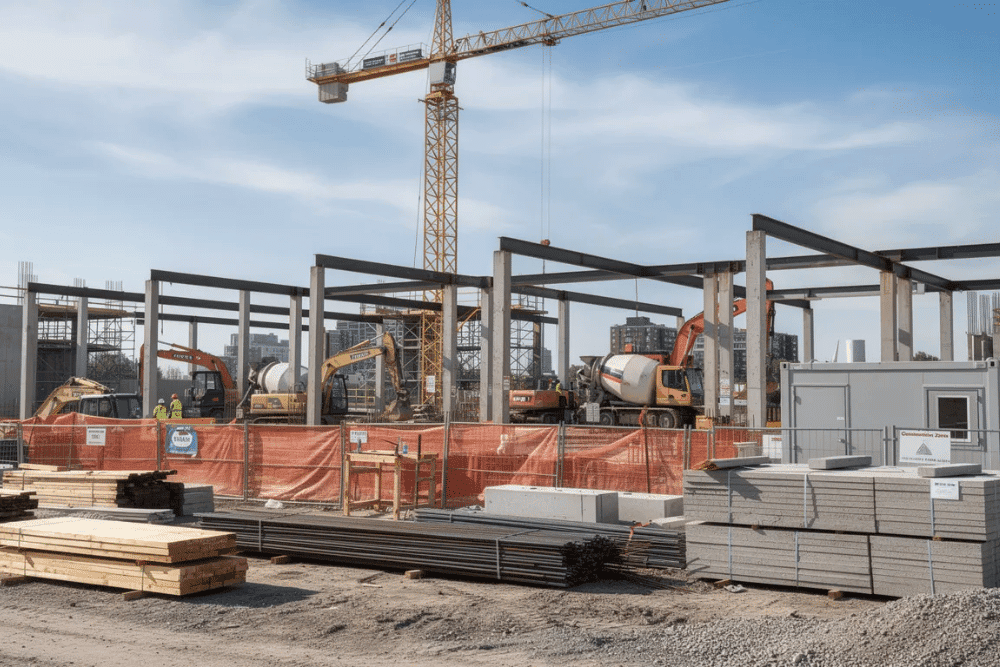
Construction workforce training in Hawaii refers to the formal and informal programs that develop entry-level and experienced workers for the state’s residential, commercial, resort, infrastructure, and military projects. Unlike mainland training that can rely on regional labor pools and straightforward supply chains, Hawaii’s approach must account for the realities of island life—limited local talent, high material costs, and the logistical complexity of managing projects across an archipelago.
The full lifecycle of construction workforce development spans multiple stages:
| Stage | Duration | Focus |
|---|---|---|
| Pre-apprenticeship | 8–12 weeks | Basic safety, construction math, tool identification, employability skills |
| Registered Apprenticeship | 3–5 years | 144+ classroom hours/year + 2,000+ OJT hours annually |
| Journeyworker Upskilling | Ongoing | Code updates, new materials, technology integration |
| Supervisory/Leadership Training | Varies | Crew management, scheduling, cost control, compliance |
Hawaii’s island geography—Oahu, Maui, Hawaii Island, Kauai, Molokai, and Lanai—directly affects how training is delivered. Programs must account for inter-island travel and the need to build local capacity on each island rather than centralizing everything in Honolulu. A carpenter on Kauai shouldn’t have to fly to Oahu every week for classes.
Training in Hawaii blends classroom work, often through UH Community Colleges like Honolulu CC or Kauai CC, with on-the-job learning on active jobsites in Honolulu, Kapolei, Kona, Kahului, and Lihue. This combination ensures students develop both theoretical knowledge and practical skills suited to local conditions. Workforce Training offers short term and affordable classes for upgrading training and employability skills.
The trades covered include carpenters, laborers, electricians, plumbers, operating engineers, masons, HVAC technicians, roofers, glaziers, and specialty occupations tied to hospitality, solar installation, and infrastructure. Each trade has its own pathway, but all share the common thread of preparing people for Hawaii’s unique construction environment. Course offerings in Workforce Training also include business, industry, and computer classes.
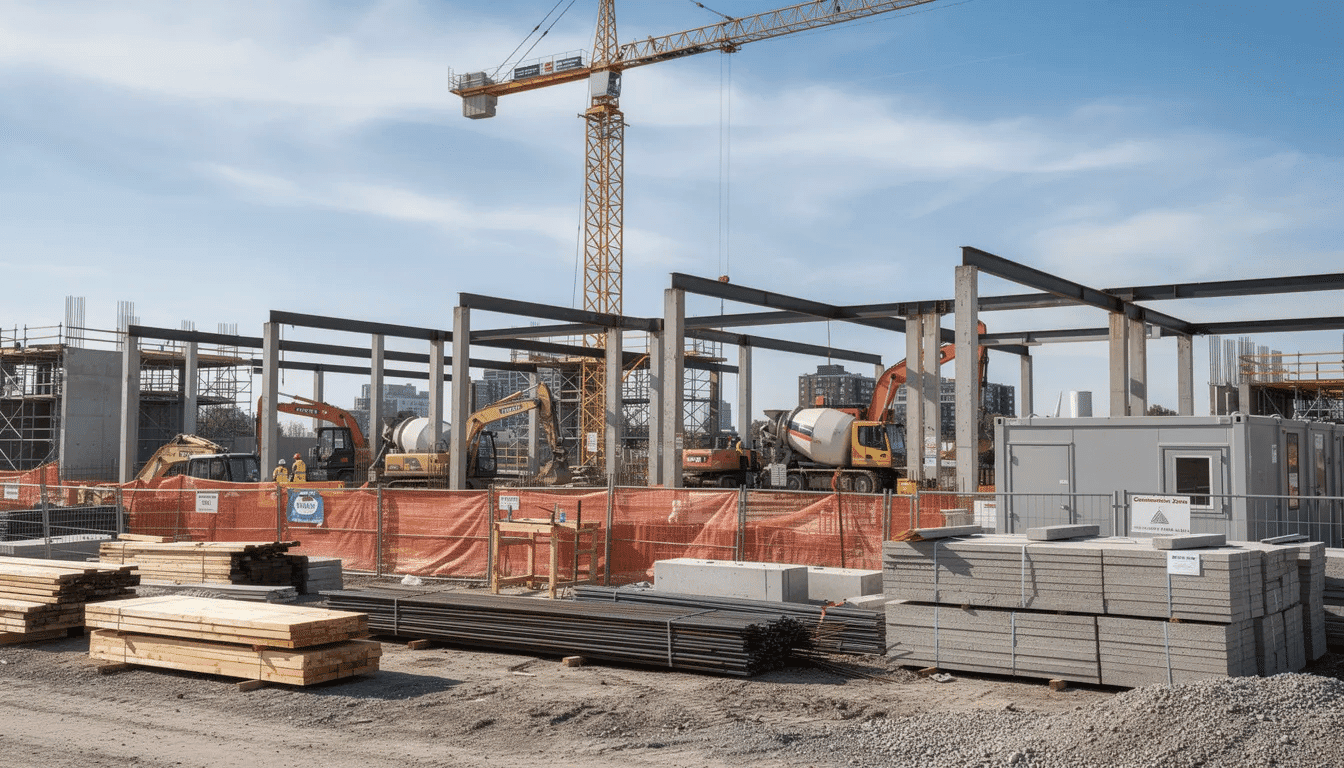
Hawaii consistently reports low overall unemployment, yet the construction industry faces persistent job openings and chronic skilled-trade shortages. According to state department data, skilled trades vacancy rates reached 15-20% in 2023-2024, with approximately 25,000 construction workers serving a $10B+ annual industry. The math doesn’t work without a robust training pipeline.
Geographic isolation makes importing skilled labor expensive and unreliable. Construction costs in Hawaii run 25-40% higher than mainland averages, driven largely by shipping fees for materials—lumber alone costs 2-3 times more here than on the continent. Bringing workers from the mainland adds relocation stipends, housing costs, and productivity losses while they acclimate to tropical conditions. Training Hawaii residents eliminates these premiums and builds a stable local workforce.
High construction and living costs compound recruitment challenges. With Honolulu’s median home prices exceeding $800K, workers earning $50-70K annually struggle to live where they work. Structured training with clear wage progression—where apprentices see their earnings increase predictably as they gain marketable skills—helps offset this reality. Workers can plan for the future knowing exactly what their career trajectory looks like.
Hawaii’s project mix creates specialized training demands that generic mainland programs can’t address:
Training directly reduces rework, delays, and safety incidents in a market where job interruptions from weather, logistics, or permitting already pose significant risks. When a project on Maui gets delayed, you can’t easily shift that crew to a backup job in another state. Every day of lost productivity hits harder in Hawaii.
A typical worker pathway in Hawaii moves through predictable stages: high school CTE or pre-apprenticeship leads to registered apprenticeship, which leads to journeyworker status, then advancement to foreman or superintendent roles. This isn’t abstract—it’s the actual career ladder thousands of Hawaii residents have climbed.
Local contractors—both general contractors and specialty subcontractors in Honolulu, Hilo, Kahului, and Lihue—play a central role by sponsoring apprentices, providing on-the-job training hours, and coordinating with training providers. A carpentry apprentice might spend mornings in the classroom at a training center in Kalihi and afternoons framing walls on a jobsite in Kakaako.
Joint Apprenticeship and Training Committees (JATCs) and industry training trusts design curricula that fit Hawaii codes, local materials, and site conditions. The Sheet Metal Workers Local 293 Training Center, for example, delivers 4,000+ hours annually of instruction specifically calibrated to Hawaii’s needs. These programs aren’t imported wholesale from the mainland—they’re adapted for tropical climates, island logistics, and local building practices.
Community college partnerships extend the training ecosystem. Honolulu Community College’s carpentry and electrical programs, Leeward Community College’s construction technology offerings, and Hawaii Community College’s programs on the Big Island all provide classroom and lab-based technical training. These serve as formal educational pathways that can lead to industry recognized credentials and certificates.
High school CTE programs and academies—like those at Farrington High School or Maui High—introduce basic construction safety, tools, and math. These offerings prepare students to enter pre-apprenticeship and apprenticeship programs immediately after graduation, reducing the time needed to reach journey-level status.
The Department of Labor and Industrial Relations (DLIR) and Workforce Development Council coordinate all of this, aligning training with statewide labor market data and channeling funding sources like WIOA support to where they’re needed most. This isn’t happening in silos—it’s a coordinated ecosystem.
Pre-apprenticeship gives local residents—including youth and career changers—a structured on-ramp to construction careers without requiring prior experience. You don’t need to know anything about construction to start. You just need to be interested and willing to learn.
Program components typically include:
Hawaii-based initiatives run through community colleges, nonprofit workforce organizations, and union outreach efforts targeting high school seniors and underrepresented communities. Programs often focus on individuals who might not otherwise have access to construction careers—Native Hawaiian communities, residents of rural areas, and those looking to start a new career after working in other industries.
Pre-apprenticeship programs frequently guarantee interviews or preferential entry into registered apprenticeship programs sponsored by specific trades. Complete an 8-week pre-apprenticeship in carpentry, and you’re first in line when the carpenters’ apprenticeship opens enrollment.
These programs also address barriers common in Hawaii. Transportation between rural areas and job hubs can be challenging, so training is often located near bus routes or stipends are provided where available. The goal is removing obstacles that might prevent someone from even starting.
Registered apprenticeship is the backbone of skilled trades development in Hawaii. These are state-registered, earn-while-you-learn programs typically lasting 3–5 years, combining 144+ hours of related instruction per year with thousands of hours of on-the-job training. Apprentices develop existing skills while gaining new competencies, all while earning a paycheck.
Hawaii’s DLIR oversees apprenticeship programs standards, registration, and compliance, ensuring programs meet both state and U.S. Department of Labor requirements. The department currently oversees 20+ programs with approximately 1,500 apprentices statewide.
A typical week for an electrical apprentice might look like this:
| Day | Activity | Location |
|---|---|---|
| Monday–Thursday | OJT on commercial project | Kakaako, Honolulu |
| Friday evening | Related instruction class | Training center, Kalihi |
| Saturday (monthly) | Lab work and code review | Training center, Kalihi |
Day shifts happen on jobsites across the islands—Ewa, Lahaina, Hilo, wherever the work is. Evening or weekend classes take place at dedicated training centers.
Journeyworker and continuing education training addresses code updates (Hawaii Building Code, National Electrical Code), new materials suited for coastal climates, and technologies like photovoltaic systems, battery storage, and energy-efficient HVAC. The industry isn’t static, and workers must upgrade their skills continuously. This commitment to lifelong learning separates excellent tradespeople from average ones.
Supervisory and foreman training focuses on managing diverse crews, scheduling within island logistics constraints, cost control, and maintaining safety and quality under tight resort or military timelines. These courses often cover soft skills that aren’t taught on the jobsite but are essential for advancement.
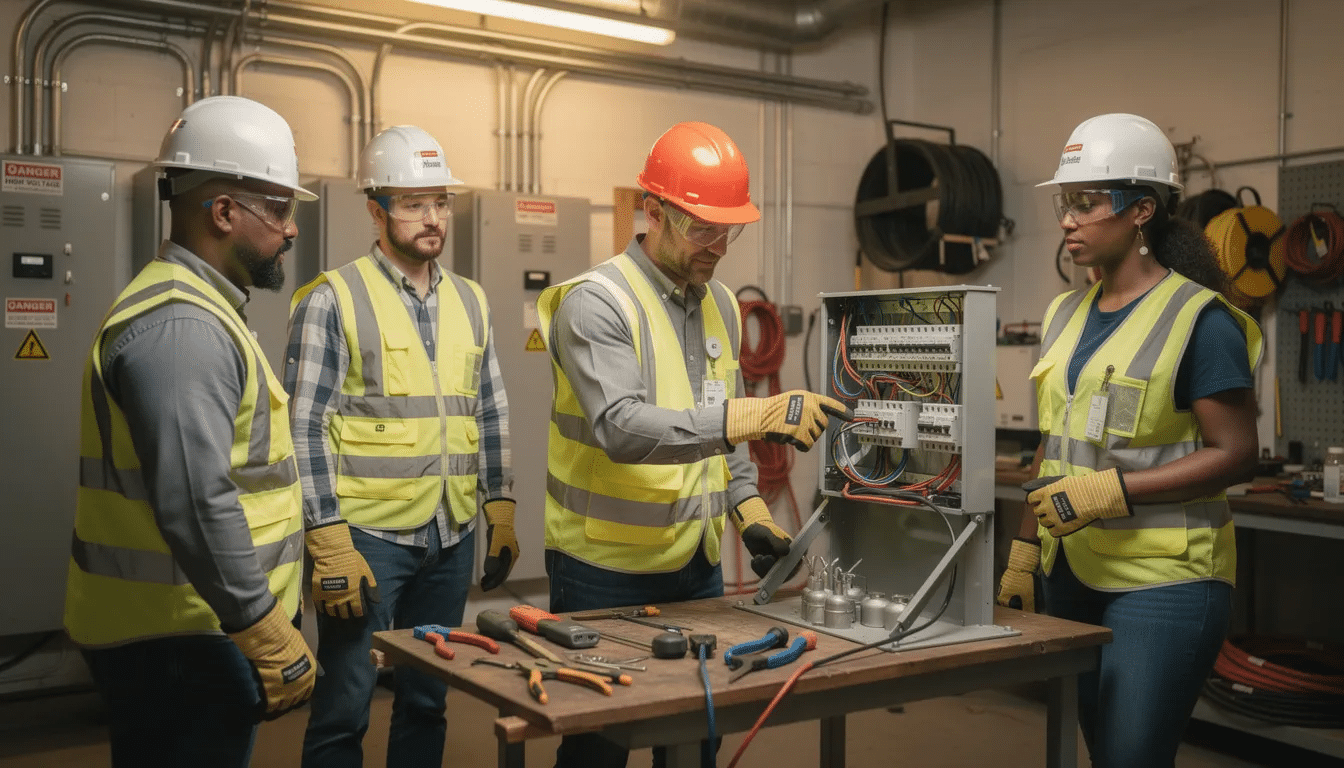
Safety training is central in Hawaii because of year-round outdoor work, intense sun, humidity, and frequent work on rooftops, slopes, and coastal or marine environments. You can’t take a break from weather like you might on a mainland project during winter months—work continues through heat, rain, and tropical conditions.
Standard safety training elements include:
Hawaii places particular emphasis on heat illness prevention. Training covers hydration protocols, scheduled rest breaks, shade planning, and recognizing early signs of heat stress. This isn’t optional content—it’s essential for keeping crews safe and productive through long, hot days.
Environmental and cultural resource awareness training addresses work near shorelines, streams, and culturally sensitive sites. Hawaii statutes and permitting requirements from DLNR and coastal zone management agencies require contractors to demonstrate that their crews understand and follow these protocols.
Training programs are regularly updated to address hurricane and storm preparedness, erosion and sediment control on steep terrains, and safe handling of materials in high-wind coastal zones. Big Island projects must account for volcanic activity, while Kauai work often involves cliffside conditions. Each island presents distinct challenges.
Effective workforce training in Hawaii relies on collaboration among contractors, unions, non-union associations, educators, and government agencies. No single organization can meet the industry’s needs alone.
Union training trusts and JATCs operate dedicated training centers with Hawaii-specific curricula and labs. The Hawaii Regional Council of Carpenters, IBEW electrical locals, and plumber/fitter training programs all maintain facilities where apprentices receive instruction tailored to local codes and conditions.
Non-union contractors and associations participate through NCCER-aligned programs, vendor-provided training, and partnerships with UH Community Colleges and private providers. Being non-union doesn’t mean lacking access to quality training—multiple pathways exist.
University of Hawaii Community Colleges deliver both credit and non-credit construction classes, certificates, and customized training for employers:
| Campus | Programs Offered |
|---|---|
| Honolulu CC | Carpentry, Electrical, Construction Technology |
| Leeward CC | Construction Technology |
| Kauai CC | Building Maintenance, Construction |
| Hawaii CC | Carpentry, Building Trades |
| Maui College | Sustainable Construction Technology |
State and county workforce agencies—including DLIR, the Oahu Workforce Development Board, and Maui and Hawaii County workforce programs—provide funding, case management, and supportive services for trainees. They connect individuals with scholarships and financial assistance where eligible.
K–12 systems introduce construction careers early through DOE high school CTE programs. These coordinate dual-credit or articulated pathways into community college and apprenticeship programs, creating seamless transitions for students.
Hawaii’s construction sector offers a wide variety of training delivery methods designed to help individuals develop new skills, upgrade existing skills, and earn industry recognized credentials that lead to marketable skills and rewarding employment opportunities. Whether you’re preparing for a new career or looking to advance in your current role, there are programs and courses tailored to meet your needs and the unique demands of the local industry.
Customized training is a cornerstone of Hawaii’s approach, allowing employers and employees to work with training providers to develop programs that address specific workforce needs. These offerings range from hands-on apprenticeships and in-person classes to flexible online courses, ensuring that students can learn in the format that best fits their schedule and learning style. Many programs are designed with lifelong learning in mind, enabling individuals to continually upgrade their skills and stay competitive in the evolving construction workforce.
The department provides a comprehensive list of available classes and courses on their website, covering a variety of occupations such as carpentry, electrical work, plumbing, and more. Individuals of all ages are eligible to apply, and the department’s policy is to provide equal employment opportunities to everyone interested in building a career in construction. In addition to traditional classroom instruction, online training options and apprenticeships are available, making it easier than ever to access high-quality education from anywhere in the islands.
To help offset the cost of training, eligible students can apply for scholarships and financial assistance. Upon successful completion of programs, certifications are awarded, providing proof of your new or upgraded skills and enhancing your employment prospects. These industry recognized credentials are highly valued by employers and can open doors to a variety of job opportunities across Hawaii’s construction sector.
If you’re interested in learning more about the training programs, courses, or apprenticeships available, you can visit the department’s website for detailed information, including a current list of offerings. For personalized answers to your questions, contact the department by phone or email. Their team is ready to help you find the right program, determine your eligibility, and guide you through the application process.
In addition to training, the department also provides up-to-date information on employment opportunities and job openings in the construction industry, helping individuals reach their career goals. By offering a range of training delivery methods and support services, Hawaii’s construction sector ensures that both employers and individuals are prepared to meet the challenges of today’s market and build a strong, skilled workforce for the future.
Hawaii’s regulatory environment is complex, and workforce training often serves as the practical mechanism contractors use to stay compliant and competitive. Training isn’t just about skill development—it’s about meeting legal requirements and avoiding costly violations.
Apprenticeship standards are set and enforced through DLIR’s Hawaii Administrative Rules. These specify ratios of apprentices to journeyworkers on public works projects (typically 1:1), documentation requirements, and program approval processes. Training programs help contractors understand and comply with these rules.
Prevailing wage requirements on state and county public works function similarly to federal Davis-Bacon rules. Carpenter rates on public projects run approximately $40-60 per hour in 2024-2025. Training helps contractors correctly classify workers, document hours, and avoid violations that can result in penalties up to $1M+ in project delays.
Hawaii Occupational Safety and Health Division (HIOSH) regulations carry state-specific enforcement priorities. Ongoing safety training helps supervisors and workers comply with requirements for confined spaces, fall protection, and silica exposure. Non-compliance fines can reach $150K for serious violations.
Contractor licensing through the Contractors License Board requires specific experience levels and ongoing education. Training supports workers in meeting these requirements and preparing for licensing exams. Biennial education requirements (4-16 hours depending on classification) mean licensed contractors must continually update their knowledge.
Training programs often incorporate recordkeeping, documentation, and audit-readiness practices. This helps firms avoid fines, project shutdowns, or bid disqualifications—outcomes that can devastate a small contractor’s business.
Hawaii’s construction industry faces interconnected challenges: chronic skilled labor shortages, an aging workforce (40% of tradespeople are over 50), competition from tourism and military employers, housing affordability, and out-migration of local talent to the mainland. These aren’t abstract problems—they affect every contractor trying to staff a project.
Training pipelines create visible, local career pathways. When high school students and adults can see a clear route from entry-level work to $60K journeyworker wages to $90K+ supervisor positions, construction becomes an attractive option compared to service industry jobs that offer similar starting pay but limited advancement.
Strategies to keep kūpuna (older journeyworkers) engaged include transitioning them to mentor, instructor, and part-time trainer roles. These experienced workers hold specialized knowledge of Hawaii-specific construction practices—how to build for hurricane resistance, which materials hold up in salt air, how to navigate island permitting—that would otherwise be lost to retirement.
Structured wage progression in apprenticeships makes a tangible difference for retention:
| Year | Typical % of Journey Rate | Approximate Annual Wage |
|---|---|---|
| 1st Year | 50-60% | $35,000-40,000 |
| 2nd Year | 65-75% | $42,000-48,000 |
| 3rd Year | 80-90% | $50,000-56,000 |
| Journey | 100% | $60,000-65,000 |
| Foreman | 110-120% | $70,000-80,000 |
Targeted outreach and training support serve underrepresented groups, including women in construction, Native Hawaiian communities through programs like those from the Queen Liliuokalani Trust, and residents of rural or neighbor-island areas who might otherwise have limited employment opportunities.
For owners and executives, training represents an investment that directly affects project performance, margins, and long-term business value. It’s not overhead—it’s infrastructure.
Safety improvements yield measurable returns. Trained workers experience 25% fewer workers’ compensation claims, with Hawaii-average incident costs of $2-5K each. In a state with high insurance and healthcare costs, these savings accumulate quickly.
Quality improvements reduce callbacks and rework. Better-trained crews on condo towers, hotels, or custom homes align more closely with architect and engineer specifications. Complex mechanical, electrical, and structural systems get installed correctly the first time, saving approximately 10% in rework costs per project.
Schedule performance improves when crews can execute without constant supervision or correction. Contractors hit critical dates for resort openings, military milestones, or school-year start times. In Hawaii, where weather and logistics already create delays, having a skilled workforce reduces controllable risks.
Competitive positioning strengthens through documented training programs. Contractors with strong workforce development are more competitive for state and federal RFPs, design-build contracts, and large private developments across Oahu and neighbor islands. Pacific Shipyards, for example, retained 90% of local workers through their apprenticeship program, helping them win $500M in Navy contracts.
Broader economic benefits flow to Hawaii communities. Construction dollars circulate locally, middle-class careers are built, and small subcontractors grow through improved workforce capacity. Every trained local worker represents one less dollar leaving the islands for mainland labor.
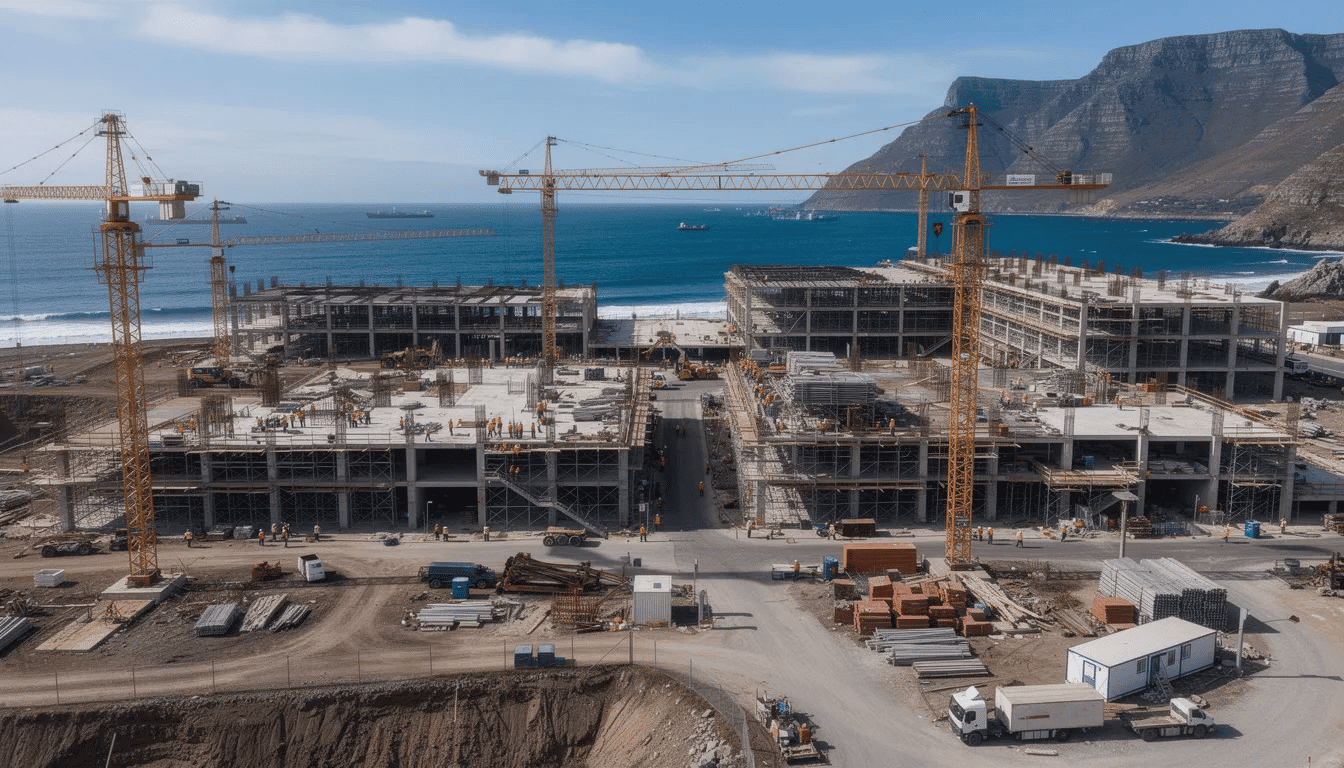
Treat training as a core business function rather than an ad-hoc activity. The contractors who win consistently in Hawaii have systematic approaches to workforce development.
Step 1: Assess current workforce skills and gaps
Review project performance, safety records, and upcoming work types. Are you moving into more solar installation? More high-rise work? More DOT highway projects? Each shift requires specific competencies.
Step 2: Build a blended training plan
| Training Type | Provider Examples | Frequency |
|---|---|---|
| Formal apprenticeship | Union JATCs, community colleges | Ongoing, 3-5 years |
| In-house task training | Internal supervisors | Weekly/monthly |
| Vendor product sessions | Manufacturers, suppliers | As needed |
| Leadership workshops | GCA, industry associations | Quarterly/annually |
Step 3: Partner with local training providers
Union JATCs, community colleges, and workforce agencies already have curricula, facilities, and potential grant or WIOA funding. You don’t need to build everything from scratch. Contact these organizations to discuss customized training options that serve your specific needs.
Step 4: Set measurable goals
Track reduced incident rates, improved schedule performance, and higher retention. Review these metrics quarterly to refine programs over time.
Step 5: Communicate training opportunities to employees
Use training as a recruitment and retention tool. When candidates see clear advancement pathways during interviews, they’re more likely to accept offers and stay long-term.
For more information on available courses and offerings, visit local community college websites or reach out to the DLIR Workforce Development Division via phone or email. Many programs provide answers to eligibility questions and can help you determine if your organization qualifies for assistance.
How long does it typically take to complete a construction apprenticeship in Hawaii, and what can a worker expect to earn during training?
Most construction apprenticeships in Hawaii run 3-5 years depending on the trade. Electricians and plumbers typically take 5 years; carpenters and laborers often complete in 3-4 years. Apprentices start earning from day one—typically 50-60% of the journeyworker rate in year one, increasing each year or with each competency step. By completion, apprentices earn approximately 20% more than they did at entry ($62K average journey wage vs. $50K starting). The progressive wage scale means you’re never waiting years to see financial improvement.
Can small or non-union contractors access formal training programs, or are these only for large union employers?
Small and non-union contractors absolutely have access to quality training. Community colleges offer certificate programs open to anyone. Industry associations like GCA provide classes regardless of union affiliation. NCCER-based apprenticeship programs operate outside union structures. Many vendors offer product-specific training. The variety of options means even a five-person roofing company can develop their people systematically.
What financial support exists in Hawaii to help pay for construction training for individuals and employers?
Multiple funding sources exist. WIOA funding through DLIR supports eligible individuals with tuition assistance and training costs. Community colleges offer institutional scholarships. Employers may access cost-sharing grants or contract training arrangements where the state subsidizes portions of customized training. Some age-restricted youth programs provide additional support. Start by contacting your local American Job Center or community college workforce department to check what you might qualify for.
How can high school students in Hawaii get started in construction careers before graduation?
High school students can enter CTE programs in construction-related occupations, take dual-credit courses with UH Community Colleges that count toward both high school graduation and college certifications, participate in summer pre-apprenticeship boot camps, and job-shadow with local contractors. Many programs specifically serve students interested in exploring whether construction is right for them before committing. Parents and students should visit their school counselor and learn about local construction academies.
What should a contractor do first if they want to formalize their training program?
Start by designating an internal training lead—someone responsible for coordination even if not full-time. Then meet with local apprenticeship program representatives or community college workforce coordinators. Map your job roles and the skill requirements for each. Finally, develop a calendar of core safety and technical training aligned with your upcoming projects. Apply a consistent approach rather than scrambling when you win a project requiring certifications you don’t have. The time investment upfront pays off in reduced risk and improved project performance.