Introduction
Are you interested in building a career in Hawaii’s construction industry, or in hiring skilled tradespeople? This page provides a comprehensive overview of construction apprenticeship opportunities in Hawaii, with a focus on ABC Hawaii’s registered programs. Learn how apprenticeships address the state’s workforce challenges, what trades are offered, how technology is integrated, and how both job seekers and contractors can get involved. Whether you’re a prospective apprentice, a contractor, or a workforce partner, discover why apprenticeship is vital for Hawaii’s future.
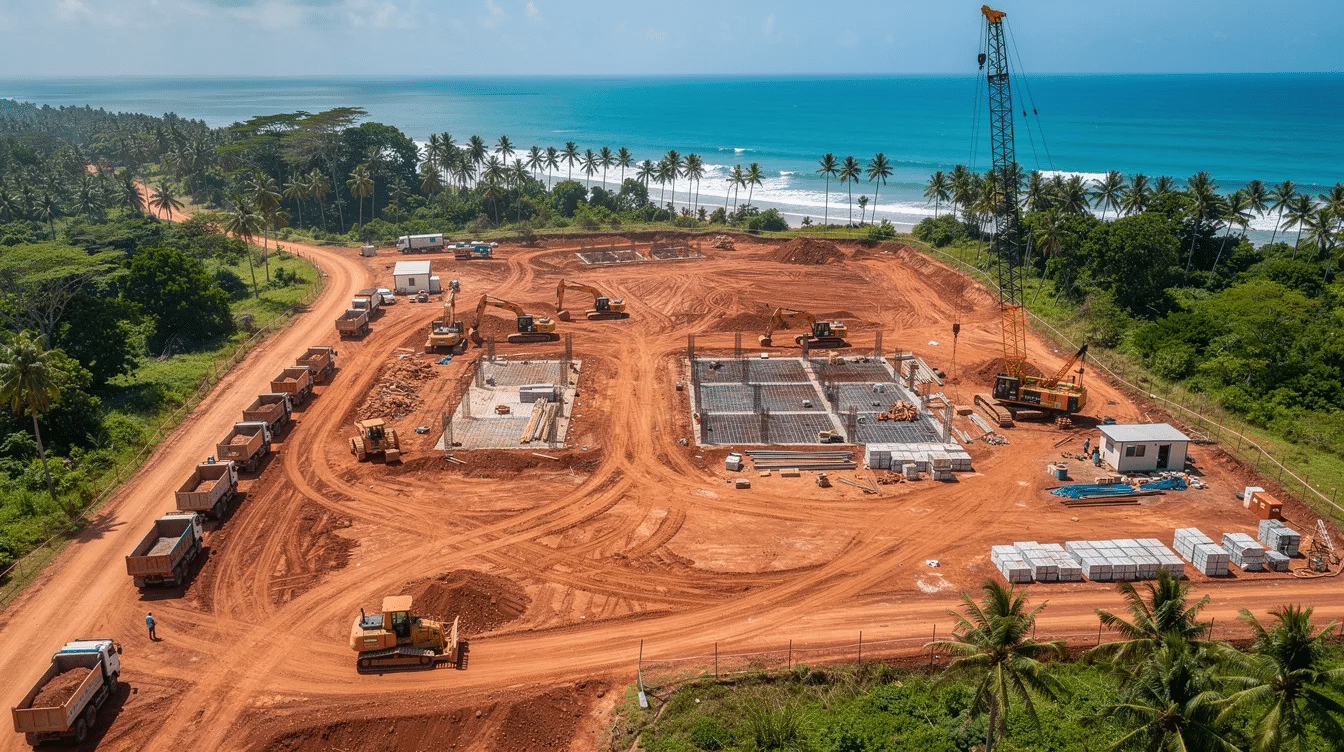
Hawaii’s construction industry faces a structural labor shortage that no software alone can solve. The state’s geographic isolation, limited local labor pool, and cost of living among the nation’s highest create persistent pressure on contractors competing for work. The backlog is enormous: Maui wildfire rebuilding efforts demand weather-tight roofing, carpentry for resilient building structures, and electrical systems for power restoration. Federal and military projects at Pearl Harbor, Joint Base Pearl Harbor-Hickam, Schofield Barracks, and Marine Corps Base Hawaii require infrastructure upgrades and vertical construction through at least 2028.
Project volume is outpacing the availability of skilled workers, creating scheduling delays, quality issues, and safety risks statewide. AI tools are accelerating—contract and RFI review, bid-writing assistance, sensor-based safety monitoring, predictive maintenance—but they cannot pour concrete, pull wire, or oversee field crews. Workforce development is an immediate business strategy for Hawaii contractors, not a long-term abstraction. The difficulty of importing mainland labor at scale, combined with inter-island travel costs and housing pressures, makes it essential to grow talent locally through apprenticeships.
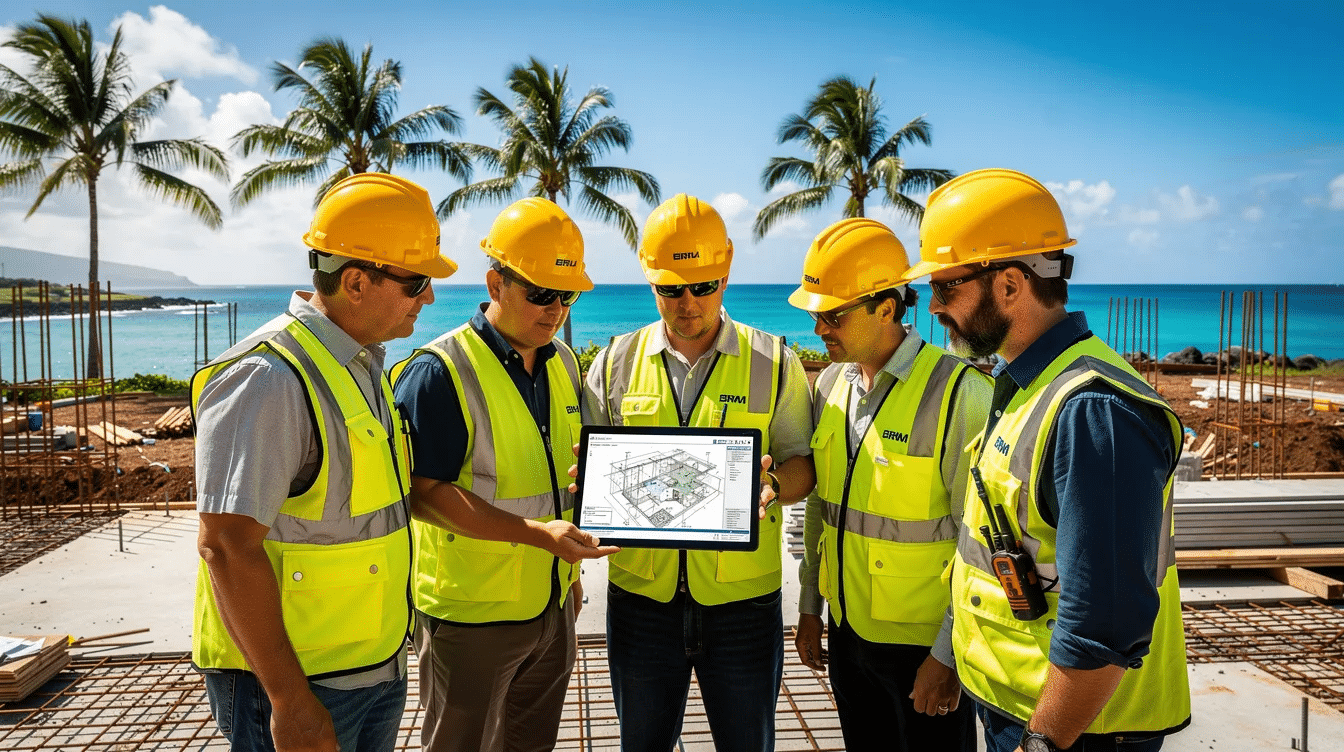
At the 2026 ABC ONE Conference in Indianapolis, the message landed clearly: nearly 90% of digital marketers already use AI tools daily, while construction is only beginning to adopt them at scale. The contractors winning work in Hawaii by 2026 are pairing strong craft skills with fluency in platforms such as Procore, Sage, and Viewpoint—not relying solely on software.
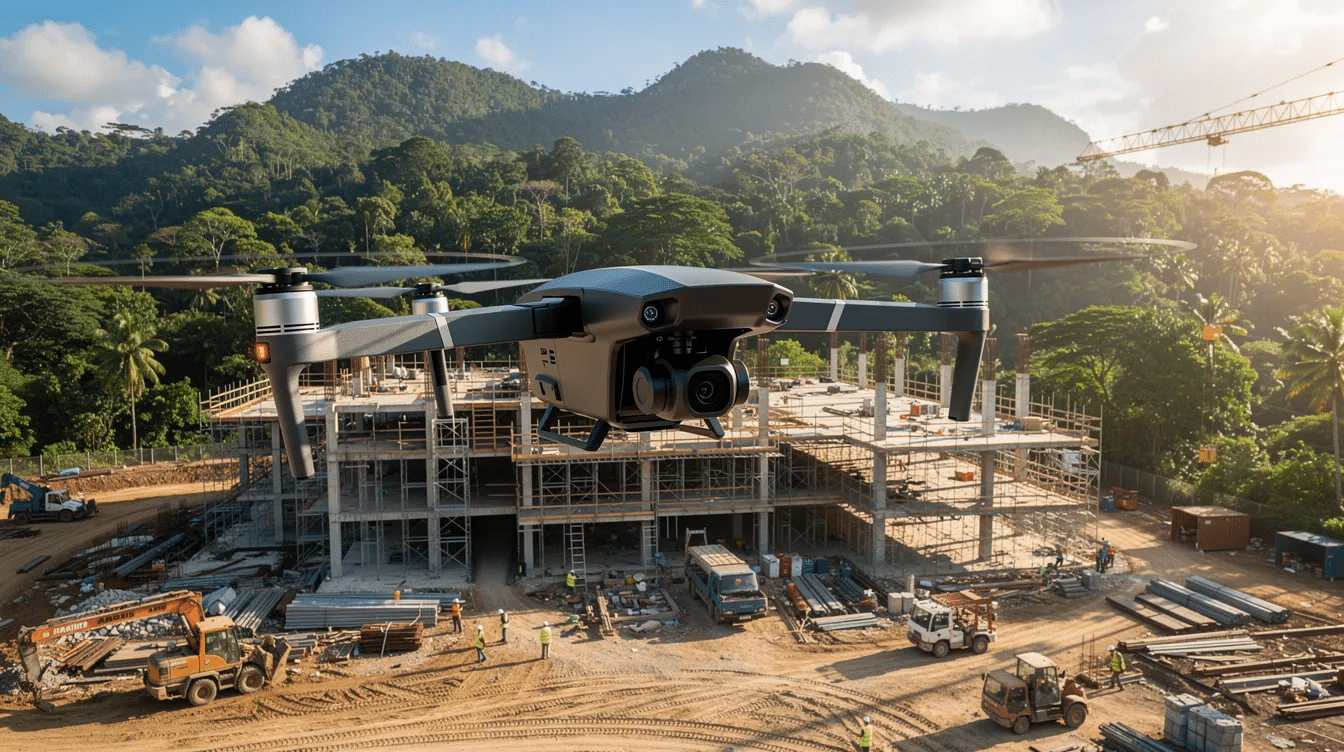
On Hawaii job sites, technology shows up as sensor and camera-based safety monitoring for fall protection and PPE compliance, predictive maintenance alerts for high-use equipment, and AI-assisted document control for submittals and RFIs. ABC Hawaii’s apprenticeship training is deliberately aligning related classroom instruction and on-the-job training with this tech environment. Apprenticeships teach both trade fundamentals and how to work within digital workflows. The technology pipeline and the people pipeline are the same conversation.
ABC Hawaii, the Hawaii Chapter of Associated Builders and Contractors, is a merit shop nonprofit trade association representing contractors, subcontractors, and suppliers across the islands. Associated Builders and Contractors (ABC) Hawaii offers non-union programs across various trades and focuses on registered apprenticeships.
ABC Hawaii’s apprenticeship is a U.S. Department of Labor-registered apprenticeship approved by the State of Hawaii under Chapter 372 Apprenticeship Law. Apprenticeship programs in Hawaii must be approved by the Apprenticeship Council to ensure they meet state and federal training and certification requirements. Core trades offered include Carpentry, Electrical, Plumbing, Painting, and Roofing—selected based on sustained demand in Hawaii’s commercial, industrial, residential, and infrastructure sectors.
Construction apprenticeship programs in Hawaii typically take 3-5 years to complete, depending on the specific trade and individual progress. Electrical and plumbing apprenticeships tend toward the longer end due to the depth of licensing requirements and code requirements. Almost all apprenticeship programs require a minimum of 144 hours of related classroom instruction combined with hands-on experience.
Apprenticeship programs in Hawaii combine on-the-job training with related instruction, often requiring two nights a week of classroom time (approximately 2.5 hours per session). Instruction covers technical theory, Hawaii building codes, OSHA safety standards, and increasingly, digital documentation and reading plans accessed via tablets or project management software. Upon satisfactory completion of hours, coursework, and industry test requirements, apprentices receive formal certificates from ABC Hawaii, which are recognized by contractors and regulatory bodies, and earn nationally recognized certifications.
The merit shop approach bases opportunities and advancement on performance, skill, and project results rather than union membership alone. ABC Hawaii’s model supports member contractors by providing a structured, compliant way to develop talent while preserving flexibility in staffing decisions.
Programs like ABC Hawaii offer safety training, advocacy at the state and local levels, and networking opportunities for contractors and suppliers. Apprenticeship is directly tied to profitability: improved productivity, lower rework, enhanced safety records, and better ability to pursue larger projects. Member companies should view apprenticeship seats as strategic investment slots for future foremen, superintendents, and project managers.
Each trade pathway at ABC Hawaii anchors traditional hands-on work skills with the digital tools now standard on Hawaii projects. All trades incorporate proper training in safety, reading digital plans, and working within project management systems. Beyond core trades, specialized apprenticeship roles in the broader industry include Elevator Constructors, Glaziers, Boilermakers, and Floor Layers. ABC Hawaii focuses on the trades where demand in Hawaii is highest.
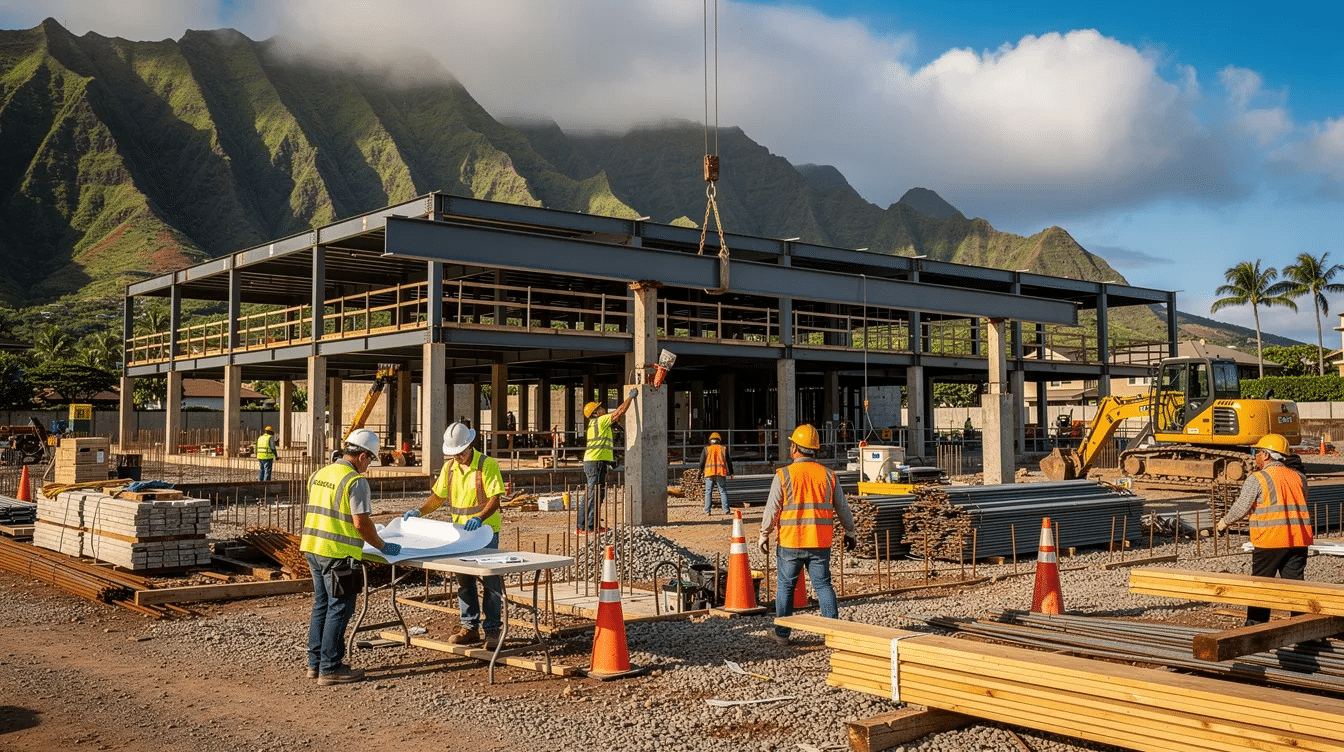
Carpentry apprentices learn specialized skills in layout, framing, formwork, interior finishes, and exterior systems—including hurricane- and coastal-considerations unique to Hawaii. Digital tools appear as tablets for accessing drawings, 3D models, punch lists, and daily reports through platforms like Procore. Apprentices practice reading plans on paper and screens, tying measurements to digital coordinates. Career paths include lead carpenter, foreman, superintendent, and project management roles. Carpenters are central to Maui’s rebuilding efforts and vertical construction in Kakaako.
Electrical apprentices work on residential, commercial, and industrial electrical systems, including service upgrades, lighting, controls, and power distribution, common on military and infrastructure projects. Apprentice Electricians in Hawaii can earn between $28.00 and $36.00 per hour while gaining hands-on, real-world experience across various electrical projects. Apprentices are introduced to smart systems, sensors, and monitoring equipment reflecting AI-enabled building management. Digital workflows include tracking work orders and documenting installations via project platforms. Electrical remains one of the highest-demand, highly skilled trades in Hawaii, with apprenticeship completion supporting licensing exam readiness.
Plumbing apprentices train on water supply, waste and vent systems, gas piping, and fixture installation across residential and commercial buildings, including hotels and healthcare facilities. Technology includes electronic pressure monitoring, leak detection systems, and digital documentation of testing. Apprentices learn to interpret electronically delivered updated plans, including change orders and RFIs processed through contractor software. High demand for plumbers continues due to ongoing renovation cycles, aging infrastructure, and strict code requirements. Plumbing provides a direct path to well-compensated journeyman and contractor roles—even the opportunity to start your own business—without traditional college debt.
Painting apprentices train in surface preparation, coatings systems, environmental and VOC regulations, and work on commercial, industrial, and hospitality projects. Roofing apprentices work on low-slope and steep-slope systems, waterproofing, wind uplift considerations, and maintenance in Hawaii’s salt- and UV-heavy environment—critical for protecting air conditioning systems and building envelope integrity. Both apprenticeships incorporate digital safety checklists, photo documentation, and coordination with general contractors via shared platforms. These trades are essential to weather-tightness on Maui rebuilds, federal facilities, and private developments, sustaining steady year-round work.
Hawaii contractors cannot fully realize the value of AI-assisted tools without a workforce trained to operate in that environment. Apprentices are now exposed to AI-supported safety systems that flag hazards captured by cameras and sensors, requiring field crews to interpret alerts and respond appropriately. Predictive maintenance use cases involve equipment data feeding into analytics platforms, while apprentices implement recommended inspections and repairs.
ABC Hawaii weaves technology awareness into curriculum and field expectations—apprentices graduate comfortable with digital documentation, basic data concepts, and collaborative tools. The “technology pipeline” and “people pipeline” are inseparable for Hawaii contractors seeking to deliver on time and on budget.
Hawaii’s housing costs run 2-3 times mainland averages, making traditional four-year tuition burdens particularly challenging for local families. Construction apprenticeships typically combine on-the-job training and classroom instruction, allowing apprentices to earn while they learn. Apprenticeships provide a debt-free alternative to traditional higher education with several long-term advantages, including immediate earnings and national certification.
Wages increase as apprentices progress through levels—the program’s periodic pay increases reward skill development and productivity. Many ABC Hawaii apprentices support their families, share housing costs, or live in intergenerational households, making immediate income critical. The June 18, 2026, ABC Hawaii Apprentice Graduation demonstrates that participants have successfully completed training and are stepping into higher-salary roles.
Completing a construction apprenticeship can lead to secure employment opportunities and advancement in the construction industry, as many journeymen advance to supervisory roles. Completing an apprenticeship program can lead to a secure future with a good standard of living, as apprentices often transition to journeyman status with increased job opportunities.
Industry benefits from apprenticeship programs as they produce skilled workers who can work unsupervised and demonstrate quick adaptation, versatility, and leadership. Many of Hawaii’s construction leaders—project managers and company owners—started as apprentices. As contractors invest in AI and data tools, employees with both hands-on skills and tech comfort increasingly move into leadership tracks. Hawaii’s long-term capital improvement pipeline gives successful apprentices a multi-decade career runway without leaving the islands, helping them pursue career goals locally.
For ABC Hawaii member contractors, apprenticeship participation is a strategic way to stabilize staffing, improve quality, and qualify for more complex projects. Contractors become sponsoring employers by registering their employees or new hires as apprentices in ABC Hawaii’s program, while ABC handles related training, tracking, and compliance with the Department of Labor and state rules.
This approach helps contractors meet public project requirements tied to registered apprenticeship participation and strengthens their competitive position on bids. ABC Hawaii provides support on scheduling, documentation, and program guidelines so companies can integrate apprenticeships without excessive administrative burden. Contractors interested in hiring or referring apprentices should contact the registered apprenticeship contact at ABC Hawaii: (808) 845-4887.
ABC Hawaii works with contractors across Oahu, Maui, Hawaii Island, Kauai, and other islands to coordinate training schedules and dispatch. While classroom instruction is centralized, ABC Hawaii explores hybrid solutions and staggered schedules to accommodate participants on the neighbor islands. Contractors strategically place apprentices on longer-duration projects to minimize travel disruption.
Building local talent on each island reduces long-term dependence on flying in crews, lowering costs and improving response times for maintenance, emergency, and rebuild work. Apprenticeship data and records remain centrally maintained by ABC Hawaii across multiple islands.
Job seekers considering a career in construction do not need prior trade experience but must demonstrate reliability, a willingness to learn, and physical readiness. Most registered apprenticeships in Hawaii share core requirements, including a minimum age of 18, a high school diploma or GED equivalent, and the physical capability to perform trade duties. Generally, applicants for apprenticeship programs in Hawaii must meet the following minimum requirements, which may include age, education, and other criteria specific to the trade.
Training programs in Hawaii require apprentices to be physically fit and often include passing a drug screening and industry-specific tests. Prospective apprentices should apply directly through ABC Hawaii’s chapter, following the application instructions on the organization’s website. The process may include submitting documents, attending an information session, and being matched with a sponsoring ABC member contractor. Consider which trade—Carpentry, Electrical, Plumbing, Painting, Roofing—best fits your interests and career goals.
Two clear paths forward:
Community partners—schools, workforce development division agencies, nonprofits—should connect with ABC Hawaii to align outreach with real openings. Apprenticeships in the construction trades are considered vital for workforce development in Hawaii. Join the pipeline that sets standards for merit shop construction across the islands.
The future of Hawaii’s construction industry is not just in the technology deployed—it’s in the people trained to build, maintain, and manage projects with that technology. ABC Hawaii is the infrastructure making that pipeline real.
As an earn-while-you-learn program, apprentices are paid employees from day one. Tuition or related training costs are typically shared between sponsoring employers and program resources—not charged at traditional college tuition levels. There may be modest fees or materials costs in some cases; exact arrangements vary by contractor and trade. Applicants should confirm details with ABC Hawaii during the application process by calling (808) 845-4887. The core advantage remains avoiding large student loans while gaining formal, recognized credentials.
ABC Hawaii typically starts new classes on cycles aligned with demand—often once or twice per year—though exact dates vary by trade and cohort size. Demand runs high in trades like Electrical and Plumbing, so applying ahead improves chances. ABC Hawaii may adjust timing in response to major project pipelines, such as federal or reconstruction efforts. During Hawaii Apprenticeship Week and National Apprenticeship Week, the chapter often highlights upcoming opportunities. Contact ABC Hawaii directly for the next available intake dates.
The apprenticeship program primarily serves ABC Hawaii and member contractors. Membership provides access to the full suite of services, including training, advocacy, and networking. Companies not yet members can inquire about membership and how to onboard apprentices upon joining. Integrating apprentices into ABC member firms maintains program quality and alignment with merit shop principles. Call (808) 845-4887 to discuss membership and apprenticeship options. Note that union apprenticeships, often through their respective unions, may provide additional benefits, including medical, dental, retirement, and life insurance, through different structures.
Technology exposure happens through classroom instruction—introducing digital plans, basic data concepts, common software workflows—and on the job with tablets, apps, and AI-assisted tools deployed by sponsoring contractors. Instructors incorporate examples from real Hawaii projects where platforms like Procore, Sage, or Viewpoint support scheduling, documentation, and safety. ABC Hawaii continuously updates content to reflect how member contractors apply AI tools for safety monitoring, document review, and predictive maintenance. The goal is to ensure apprentices are effective in a digital-first environment, not turning them into programmers.
The program suits veterans, guard and reserve members, and mid-career professionals seeking hands-on, stable careers in Hawaii’s construction industry. Successful completion of military service often translates well—discipline, teamwork, following procedures, and comfort with technology align with apprenticeship requirements. ABC Hawaii helps veterans and career changers understand how prior experience applies and what to expect regarding starting level and progression. A high school graduate or anyone with a GED qualification can apply. Construction in Hawaii offers location-stable career paths for those wanting to build futures in the islands while contributing to critical infrastructure and rebuilding efforts. Contact ABC Hawaii to discuss your background and best trade fit.