Project Labor Agreements (PLAs) are pre-hire collective bargaining agreements that establish the terms and conditions of employment for specific construction projects, ensuring labor stability and compliance with labor laws. This article is designed for Hawaii merit shop contractors, estimators, project executives, and owners who are navigating the evolving landscape of Hawaii project labor agreements. We’ll explore what a Hawaii project labor agreement is, how it works, who it affects, and why recent legal developments—specifically Oregon’s PLA ruling—matter for your business. Understanding these issues is critical because PLA requirements directly affect your firm’s access to public projects, project costs, and the level of competition in Hawaii’s construction industry.
This article explains what a Hawaii project labor agreement is, how it works, who it affects, and the implications of recent legal developments for Hawaii contractors. Project Labor Agreements (PLAs) are pre-hire collective bargaining agreements that establish the terms and conditions of employment for specific construction projects, ensuring labor stability and compliance with labor laws. In Hawaii, a PLA is required for state construction projects with an actual award amount exceeding $1,500,000 as of February 2024. Over 69% of Hawaii’s construction workforce is non-unionized, and PLAs can exclude these workers from major taxpayer-funded projects. Mandatory PLA projects may discourage merit-shop (non-union) contractors from bidding, reducing competition and potentially increasing project costs by 12% to 20%, thereby impacting public funding efficiency. Hawaii PLAs are designed to prioritize the local workforce, requiring out-of-state contractors to exhaust the local labor pool before hiring from outside the state. These agreements also include no-strike clauses, promote apprenticeship and local hiring, and align with federal policies, especially for large-scale and recovery projects. The article also addresses the legal context, including how Oregon’s recent court ruling against PLA mandates provides a strategic playbook for Hawaii contractors seeking to challenge similar requirements.
On March 17, 2026, the U.S. District Court for the District of Oregon issued a permanent injunction against Governor Tina Kotek’s Executive Order 24-31. The executive order, issued by the Office of the Governor (gov), had mandated project labor agreements on a broad array of state-funded vertical and horizontal construction projects exceeding specified thresholds—typically $5 million for vertical and $10 million for horizontal infrastructure. The ruling followed an April 2024 preliminary injunction that halted enforcement while the case proceeded.
The court found that EO 24-31 was specifically designed to prioritize union labor in direct conflict with Oregon’s open and competitive bidding statute. Under the order, which requires PLAs on qualifying projects by legal authority and policy mandate, all prime contractors and subcontractors were required to sign the PLA, utilize union hiring halls for 75-90% of craft labor, pay union-scale wages and benefits, and comply with union apprenticeship ratios. This structure functionally steered work toward union-signatory contractors while excluding merit shop firms unwilling to alter their labor models for a single project.
For Hawaii contractors watching PLA developments at home, this ruling represents actionable intelligence. The court’s 45-page opinion provides a blueprint for challenging PLA mandates that demonstrably reduce competition, increase costs, and sideline qualified bidders.
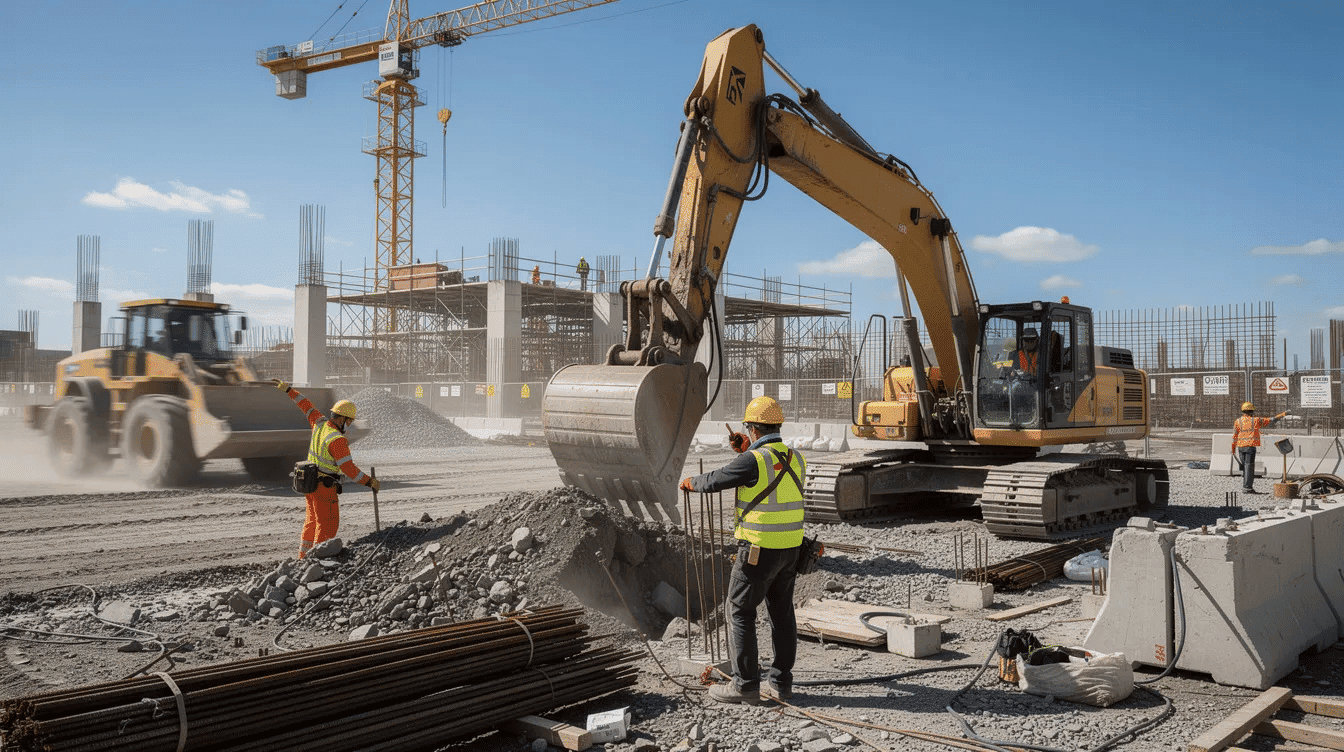
With the Oregon court’s decision setting a precedent, let’s look at how project labor agreements work and why the court found the mandate problematic.
Project Labor Agreements (PLAs) are pre-hire collective bargaining agreements that establish the terms and conditions of employment for specific construction projects, ensuring labor stability and compliance with labor laws. Oregon’s EO 24-31 applied these agreements across agencies such as the Oregon Department of Transportation and the Department of Administrative Services, requiring adherence to all projects exceeding the specified dollar thresholds.
The core mechanics that caused the conflict:
The court evaluated the executive order against Oregon’s competitive bidding framework under ORS 279C.365 and 279C.510, which mandate that awards be made to the lowest responsible bidder, without labor affiliation preferences. Evidence showed that bidder pools shrank by up to 40% and costs increased by 12-15%, according to expert testimony. Studies examining the impact of government-mandated PLAs on school construction costs in Connecticut, New Jersey, and Ohio found that PLA projects incurred costs up to 20% higher than similar non-PLA projects.
One contractor forfeited a $25 million highway project bid due to the inability to meet union referral timelines. Another faced $2.3 million in added labor costs on a simulated bid. Critics argue that PLAs can inflate construction costs by 10-30% due to reduced competitive bidding from non-union firms. These documented harms directly parallel what Hawaii merit shop contractors experience or anticipate under Hawaii project labor agreement requirements.
Understanding the mechanics and impacts of Oregon’s PLA mandate helps Hawaii contractors anticipate similar challenges. Next, let’s see how a coalition approach made a difference in Oregon.
The victory wasn’t achieved by a single trade association filing an abstract policy complaint. The coalition that challenged EO 24-31 included:
The breadth of this alliance—trade associations plus real contractors willing to put their company names on the pleadings—was central to the court’s finding of concrete, non-speculative injuries under Article III standing doctrines.
The coalition developed a 500+-page factual record documenting over 20 specific RFPs that were rendered uncompetitive. One example: a $15 million school renovation in which PLA terms added 18% to the bid due to union fringe benefits, duplicating existing plans. Another: a $40 million water treatment plant bid declined due to hiring hall restrictions clashing with the firm’s merit-based selection process.
Mandatory PLA projects may discourage merit-shop (non-union) contractors from bidding, which reduces competition. Differences in union membership rates—where unionized workers are required under PLAs—can drive up project costs and limit the pool of eligible bidders, especially in regions with lower union membership among construction workers. The court’s permanent injunction rested not on legal theory alone, but on documented, real-world harm to open-shop and small businesses. This model—broad coalition plus documented harm—is replicable in Hawaii, but only if affected firms step forward with detailed examples.
With this coalition model in mind, let’s examine how Hawaii’s current PLA landscape compares.
Hawaii’s construction workforce presents a striking dynamic: over 69% of the workforce is non-unionized, yet public agencies, under state government oversight, are increasingly implementing PLA mandates on major capital improvement projects.
In Hawaii, a PLA is required for state construction projects with an actual award amount exceeding $1,500,000 as of February 2024.
| Initiative | Project Scope | Key Requirements |
|---|---|---|
| Governor’s Hawaii PLA (AD 24-01) | State projects over $25 million, Lahaina recovery | Union hiring halls, no-strike clauses, union wages |
| Honolulu Bill 54 (2025) | Projects over $500,000 | 80% Maui resident hours, union-governed wages |
| Federal EO 14063 alignment | Large-scale construction projects over $35 million | Federal PLA requirements on federally funded projects |
| Honolulu District PLAs | Large-scale government and military construction projects | Promote efficiency, labor stability, and regulatory compliance |
PLAs are also used on Army Corps projects in Hawaii, particularly for federal military and government construction initiatives, where they are used to manage labor and promote project efficiency on sites overseen by the Honolulu District.
The cost implications are significant. PLAs can increase project costs by 12% to 20%, impacting public funding efficiency and reducing competition. Research indicates that community workforce agreements, also known as project labor agreements (PLAs), tend to increase project costs, with a 2024 RAND Corporation study finding that a PLA increased total development costs by about 22% for a Los Angeles affordable housing project.
Closer to home: a $1 million contract for road repairs in Lahaina could cost as much as $1.2 million if subjected to a community workforce agreement, highlighting the potential for increased costs associated with PLAs. In Hawaii, the use of PLAs aligns with federal policies and aims to prioritize local workers for construction jobs, particularly in recovery efforts such as rebuilding Lahaina after natural disasters.
Hawaii PLAs are designed to prioritize the local workforce, requiring out-of-state contractors to exhaust the local labor pool before hiring from outside the state. Hawaii’s state PLAs include no-strike clauses that guarantee against strikes, picketing, or work stoppages by unions. PLAs are used to promote economy and efficiency in federal procurement, particularly for large-scale construction projects exceeding $35 million, as encouraged by Executive Order 14063.
In addition to labor requirements, PLAs often set standards for health, safety, security, and compliance, ensuring that construction projects adhere to rigorous protocols and anti-terrorism requirements to protect the well-being of all workers and the project environment.
The reality is that PLAs can exclude over 69% of Hawaii’s construction workforce—non-union workers—from major taxpayer-funded public projects. On islands where a single restricted RFP can represent 25% of a firm’s public pipeline, this isn’t abstract policy. It’s revenue.
With a clear understanding of Hawaii’s PLA requirements and their impacts, let’s explore what Oregon’s recent ruling could mean for Hawaii’s merit shop community.
Oregon federal court decisions are not binding on Hawaii state courts or government agencies. However, they are persuasive authorities, and Hawaii courts may consider their reasoning when addressing similar PLA mandates and competitive bidding statutes.
The Oregon ruling demonstrates that courts will scrutinize executive orders that tilt procurement toward union contractors when they conflict with open-competition laws. Hawaii’s procurement framework under HRS Chapter 103D emphasizes the lowest responsive bidder principles, similar to Oregon’s statutes that the court found violated by the PLA mandate.
Three practical requirements for success, demonstrated in Oregon:
For Hawaii project executives and estimators: the Oregon result confirms that when PLA mandates demonstrably increasing costs, reducing competition, and sidelining qualified bidders, there is legal footing to push back. This applies whether you’re evaluating current RFPs, assessing your firm’s long-term pipeline strategy, or considering whether to participate in advocacy efforts.
Having seen the legal and strategic implications, let’s look at how ABC Hawaii is responding and how you can get involved.
ABC Hawaii is actively monitoring the implementation and enforcement of Hawaii’s own PLA-related executive order, local ordinances, and RFP provisions across state and county agency solicitations.
Current ABC Hawaii activities:
The Oregon outcome strengthens the argument for organized, early engagement. Hawaii contractors should not wait until an entire year’s pipeline is dominated by PLA-bound work before raising concerns. Proponents argue PLAs ensure timely completion and local hiring, but independent research quantifies significant taxpayers’ costs from restricted competition.
While ABC Hawaii can help lead coordination and strategy, it cannot manufacture facts on its own. The strongest cases arise when member firms provide real, verifiable examples of being disadvantaged by PLA clauses in actual RFPs or contract awards.

With ABC Hawaii’s efforts underway, here’s how you can systematically document and communicate the impact of PLAs on your business.
This section serves as a practical checklist for estimators, preconstruction managers, and owners to identify, document, and communicate how PLA terms affect their ability to compete.
Project labor agreements can help ensure a steady labor supply by requiring contractors to prioritize hiring local workers, which supporters say supports workforce development in the construction industry. However, sharing your documented impacts confidentially with ABC Hawaii allows the association to aggregate data across firms, identify patterns, and build the factual record that proved persuasive in Oregon.
By documenting your experiences, you help build the foundation for effective advocacy and potential legal action. Next, let’s discuss why early engagement is crucial for protecting your business pipeline.
In Hawaii’s constrained market, losing access to even two or three major public projects because of PLA mandates can materially affect a firm’s revenue, staffing, employment stability, and long-term positioning. The budget impact is real.
Waiting until PLA requirements are entrenched across multiple government agencies makes challenging the policy environment harder and slower. The Oregon case demonstrates the value of early injunctions: the April 2024 preliminary injunction prevented years of distorted procurement while the case was litigated, preserving competition in the interim and allowing open bidding to continue on comparable projects.
Early, coordinated feedback from contractors—through ABC Hawaii—can influence how agencies write bid documents, structure PLA carve-outs, or consider alternative mechanisms that promote local hiring without shutting out open-shop bidders. Some mainland states have achieved 20% carve-out successes through sustained advocacy.
View engagement not only as defensive (avoiding exclusion) but strategic: shaping a procurement environment where merit shop and union contractors can compete on equal terms based on price, performance, safety, and completed project quality. PLAs are designed to create long-term career paths in construction for local residents, address the high cost of living in Hawaii, and contribute to workforce development—but these goals don’t require excluding 69% of the skilled workforce.
Early action is key—now, let’s see how ABC Hawaii members can support a challenge if needed.
Legal or policy challenges to PLA mandates in Hawaii will only be viable if there is a critical mass of members willing to support, participate, and—in some cases—be named parties, as the thirteen Oregon contractors were.
Practical ways members can contribute:
Not every contributing firm must be publicly identified. ABC Hawaii will aggregate and anonymize data when analyzing market impacts or briefing policymakers. However, a core group of contractors willing to stand up—similar to Oregon—is typically essential for accountability, credibility, and impact.
ABC Hawaii will safeguard sensitive business information, coordinate messaging through the chapter office, and ensure any public action aligns with members’ risk tolerance and long-term business interests. The objective is not litigation for its own sake, but restoring and protecting truly open, competitive bidding for state and county construction work in Hawaii, consistent with the merit shop philosophy and free enterprise.
If you’ve been affected by PLA requirements, here’s how to take the next step.
If you have been prevented from bidding or materially disadvantaged in your pricing or competitiveness by PLA or community workforce clauses in Hawaii state or county RFPs, contact the ABC Hawaii chapter office.
Be prepared to share:
These documented case examples are exactly what build the factual record necessary to pursue policy fixes or legal challenges modeled on the Oregon victory. The use of PLAs can facilitate the training of a skilled workforce to meet future construction needs, as they often include provisions for apprenticeship and local hiring—but these benefits shouldn’t come at the cost of excluding qualified contractors from public funds.
ABC Hawaii will continue to brief members on developments in Oregon, Hawaii, and at the federal level. We remain the primary resource and advocate for merit shop contractors navigating PLA mandates, supporting the economy and skilled labor development across our local communities while protecting open competition.
No. Oregon federal court decisions are not legally binding on Hawaii state courts or agencies, as they arise from a different jurisdiction within the federal system. However, such decisions can serve as “persuasive authority,” meaning that Hawaii courts may consider the reasoning when addressing similar PLA mandates and competitive bidding laws. While Hawaii agencies are not required to change policy because of Oregon, the ruling puts them on notice that comparable mandates may face serious legal challenges.
Yes. Even firms that sometimes work under union agreements can face added costs and administrative complexity when compelled to adopt PLA terms on specific projects. Common issues include double payment of benefits (to both existing company plans and union trusts), loss of flexibility in skilled workforce selection, and the need to adjust internal practices to align with project-specific union work rules affecting employees. Document and report those incremental costs—they help demonstrate how PLAs distort competition and pricing, even for firms with union experience.
Collect and retain the full RFP or bid package, including the PLA or community workforce agreement language that influenced your decision. Keep internal bid notes, cost spreadsheets showing how PLA terms affected labor, benefit, and productivity assumptions, and any correspondence with the agency about bid eligibility. Side-by-side comparisons—how your firm would have priced the job without PLA terms versus with PLA terms—are particularly valuable for demonstrating quantifiable harm and higher costs.
ABC Hawaii can aggregate and anonymize data when analyzing market impacts or briefing policymakers, and will discuss confidentiality expectations with each member before using specific examples. Being a named party in any formal challenge would require explicit consent—no firm will be “volunteered” without agreement. Begin a confidential discussion with ABC Hawaii staff, as even anonymized data shapes strategy and advocacy for future construction regulations.
No. ABC Hawaii’s merit shop philosophy supports open competition where union and nonunion firms can both bid and succeed based on price, quality, safety, and performance—not on mandated labor affiliations. The concern is with government-mandated PLAs that pre-select a labor model and exclude or disadvantage open-shop firms from public work. A healthy Hawaii construction market with accountability benefits from robust competition among all qualified builders, including consideration for housing units and community infrastructure needs.