Blog

work zone safety

Work Zone Safety for Hawaii Contractors: Safe Actions Save Lives

National Work Zone Awareness Week 2026 (April 20-24) offers Hawaii contractors a timely moment to reset expectations—enroll in ABC Hawaii Safety Council training, ClickSafety courses, and the STEP program.

Table of Contents

Key Takeaways

  • In 2023, 899 people died in U.S. work zone crashes—a 50% rise from 2013 to 2023—with four in five victims being drivers and passengers, not workers. Hawaii contractors face these same risks.
  • Hawaii’s unique conditions—H-1/H-2 congestion, Maui wildfire recovery routes, Pearl Harbor military corridors, tourist-heavy streets, and tropical heat—demand disciplined work zone planning with no room for shortcuts.
  • Operational must-dos include enforcing traffic control plans on single-artery highways, managing speeds (a factor in 34% of fatal work zone crashes in 2022), certifying flaggers, using heat-appropriate high-visibility gear, and conducting daily pre-shift briefings.
  • The December 2024 FHWA work zone safety rule now requires positive protection devices, such as concrete barriers, at speeds of 45 mph or higher or for projects lasting 2+ weeks.
  • National Work Zone Awareness Week 2026 (April 20-24) offers Hawaii contractors a timely opportunity to reset expectations—by enrolling in ABC Hawaii Safety Council training, ClickSafety courses, and the STEP program.

Why Work Zone Safety Demands Urgent Attention in 2026

The numbers demand attention: 899 people killed in U.S. work zone crashes in 2023. Work zone fatalities climbed 50% from 2013 to 2023. Most disturbing? Four out of five victims are road users—drivers and passengers—not workers.

The 2025 AGC Work Zone Awareness Survey confirms the threat is real for contractors: 60% of highway contractors reported a vehicle crashed into their work zone, and 43% reported worker injuries. Near-misses are common even for experienced firms.

Hawaii is not immune. Nighttime lane closures on Oahu’s H-1 and H-2, constrained rural highways on Neighbor Islands, and high tourist traffic patterns raise awareness of the need for action. National Work Zone Awareness Week (April 20-24, 2026)—themed “Safe Actions Save Lives” and hosted by the Connecticut DOT—offers Hawaii contractors a catalyst to tighten field practices ahead of peak construction season.
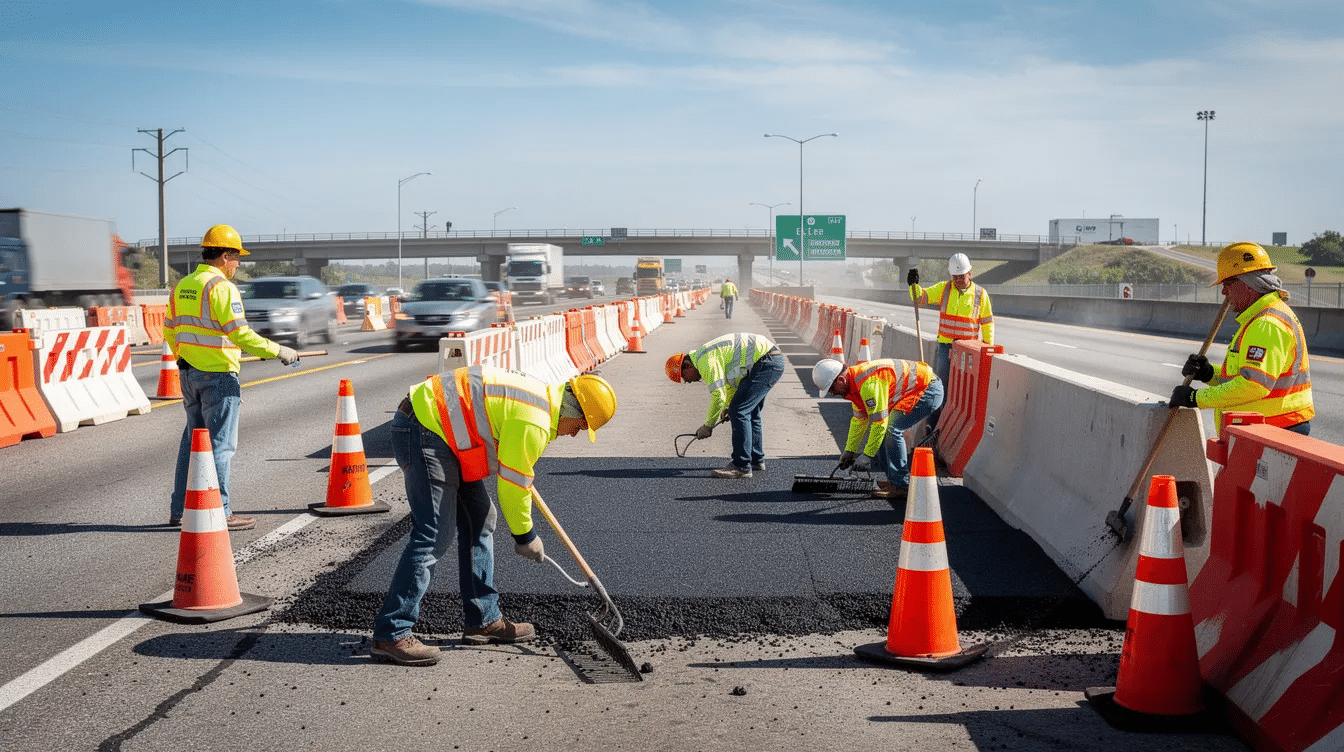
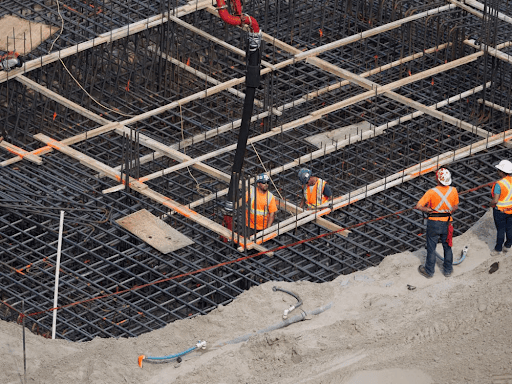
A group of construction workers wearing high-visibility vests are actively working on a highway, surrounded by traffic cones and barriers to ensure work zone safety. The scene highlights the importance of maintaining extra space and staying alert for safe driving, especially for professional drivers navigating through reduced speed limits and narrow lanes.

Hawaii’s Unique Work Zone Risk Profile

Island geography makes Hawaii’s work zones less forgiving than mainland corridors. Many routes function as single arteries with no meaningful detours—traffic must flow through the work zone, not around it.

High-risk corridors include:

  • H-1 and H-2 freeways with recurring pavement rehab, where limited alternate routes mean higher volumes through closures
  • Maui wildfire recovery access roads in Lahaina with narrow lanes, utility crews, and emergency reconstruction traffic
  • Military construction zones near Pearl Harbor and JBPHH intersect heavy commuting flows

Tropical climate challenges compound risks:

  • Heat and humidity lead to faster fatigue, reduced alertness, and potential for sudden stops in judgment
  • Afternoon downpours reduce sign retroreflectivity and extend braking distances
  • Intense UV fades high-visibility gear faster than temperate climates

Expect tourists in rental cars to be slow to interpret signs, distracted, or to make abrupt lane changes near resort corridors in Waikiki, Ko Olina, and Wailea.

Core Operational Priorities for Safer Hawaii Work Zones

Every Hawaii project in 2026 demands these operational priorities integrated into job hazard analyses and subcontractor orientation:

Traffic Control Discipline

  • Strict adherence to MUTCD-compliant TCPs and Hawaii DOT-approved details
  • Designated Traffic Control Supervisor on larger projects
  • Walk or drive advance warning areas each shift to validate sign visibility

Speed Management

  • Stepped-down reduced speed limits starting far upstream
  • Coordinate with HPD or county police for enforcement patrols
  • Deploy PCMS displaying “WORKERS PRESENT – SLOW DOWN”
  • Zero tolerance for workers crossing live lanes except at protected points

Flagger Protection

  • Require ATSSA or state-approved certification for all flaggers
  • Position flaggers outside traffic lanes with clear escape routes
  • Use two-way radios between flaggers on one-lane operations
  • Direct all professional drivers and new drivers through designated routes

High-Visibility Apparel

  • ANSI Class 2 or 3 garments with breathable mesh for tropical heat
  • Inspect and replace gear frequently—UV and salt air cause rapid fading
  • Add retroreflective striping on pants, hard hats, and gloves for night work

Heat Illness Prevention

  • Integrate water, rest, shade protocols into every TCP
  • Train supervisors to recognize early symptoms that erode alertness
  • Help workers stay alert by scheduling high-exposure tasks for cooler hours

Pre-Shift Briefings

  • 10-15 minute briefings covering daily TCP, hazards, near-misses
  • Document attendance and topics covered
  • Encourage worker input on layout concerns

The December 2024 FHWA Work Zone Safety Rule

The first major update in 20 years shifts from advisory to mandatory. Key changes for Hawaii contractors:

Requirement Threshold Impact
Positive protection (barriers, crash cushions) 45 mph+ expected speeds H-1/H-2 lane closures, Hawaii Belt Road resurfacing
Concrete barriers required 2+ week duration Long-term safety improvement projects

Plan barrier delivery and staging early—island logistics require extra caution during bidding and preconstruction. The rule aligns with Hawaii DOT specs on federal-aid projects.

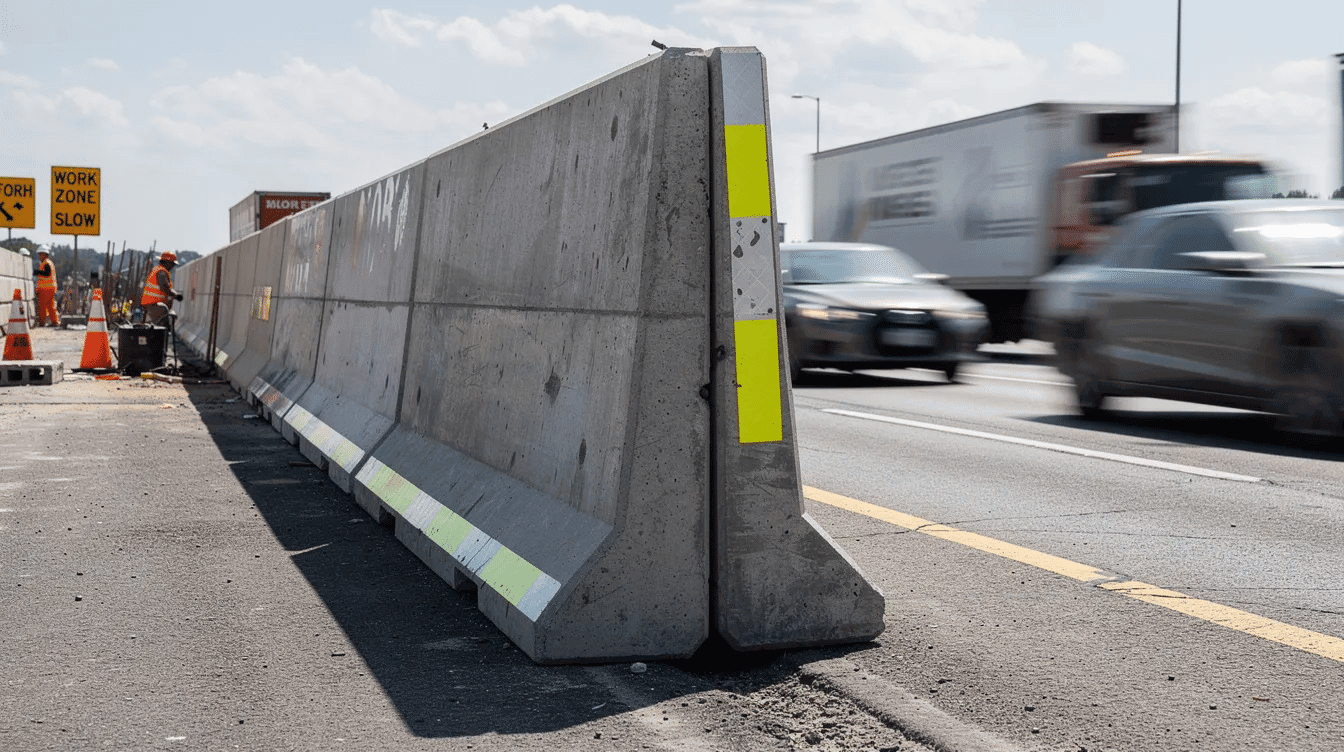
The image depicts heavy concrete barriers positioned along a highway, effectively separating a work zone from oncoming traffic. These barriers are essential for maintaining safety in work zones, helping to protect workers and road users by preventing work zone crashes and ensuring drivers remain alert to changing traffic patterns.

National Work Zone Awareness Week 2026: Daily Focus for Hawaii Crews

Monday, April 20 – Training Day: Schedule flagger refreshers, TCP reviews. Use ABC Hawaii Safety Council courses or ClickSafety modules. Audit certifications.

Tuesday, April 21 – National Kickoff: Host a safety stand-down. Invite an ABC Hawaii representative or DOT inspector. Obey policies on speeding and distraction.

Wednesday, April 22 – Go Orange Day: Crews wear orange, capture photos. Support the public message that every life matters.

Thursday, April 23 – Social Media Storm: Share tips for tourists, flagger videos. Download ABC Hawaii materials. Tag Hawaii DOT, sponsors, and partners to raise awareness.

Friday, April 24 – Moment of Silence: Pause at 7:00 a.m. HST for one minute. Honor the 899 road users and workers lost. Commit to measurable improvements—protect every pedestrian and vehicle operator in your zone.

ABC Hawaii’s Role: Training, Resources, and the STEP Program

ABC Hawaii supports merit-shop contractors through its Hawaii Craft Training & Apprenticeship program and other safety resources for merit-shop contractors:

  • Safety Council courses: OSHA 10/30, flagger training, traffic control—tailored for island conditions
  • ClickSafety online modules: Flexible for Neighbor Island crews and shift work
  • STEP program: A national benchmarking framework measuring leading indicators, reducing incidents, and demonstrating safety commitment to owners

Enroll or advance your STEP level in 2026. Contact ABC Hawaii to complete your training plan, map your improvement route, and win the interest of insurers and project owners.

Checklist: Protections Every Hawaii Crew Leader Should Enforce

  • [ ] Approved TCP on site, clearly understood, implemented as designed
  • [ ] Advance warning signs and channelizing devices properly spaced and visible
  • [ ] Posted work zone speed limits signed; internal speed caps enforced
  • [ ] Certified flaggers positioned safely with radios and escape routes
  • [ ] Positive protection evaluated per FHWA 2024 rule (45 mph+ / 2+ weeks)
  • [ ] ANSI-compliant hi-vis apparel inspected and replaced as needed
  • [ ] Heat illness prevention active: water, rest, shade, symptom recognition
  • [ ] Pre-shift briefing completed and documented
  • [ ] Near-miss reporting procedures in place with prompt follow-up

Maintain extra space between workers and large vehicles. Ensure commercial motor vehicles obey all zone safety laws. These face-level protections—instructed daily—keep crews safe.

No checklist eliminates all risk. Consistent enforcement dramatically reduces the chance of a fatal event on any Hawaii work zone.

FAQ: Work Zone Safety for Hawaii Contractors

How do Hawaii’s work zone risks differ from those on the mainland?

Hawaii’s island geography creates single-corridor routes with no realistic detours. Traffic must move through work zones, increasing exposure time. Higher proportions of tourist drivers, frequent rain, intense UV, and limited shoulders demand more disciplined traffic control. Logistics constraints—shipping barriers, limited staging areas—complicate compliance with positive protection requirements and require earlier planning than mainland projects.

What projects are most affected by the 2024 FHWA positive protection rules?

Federal-aid highway projects with expected speeds of 45 mph or greater and work durations of two weeks or more are primary candidates. Examples include extended lane closures on H-1/H-2, major resurfacing on Hawaii Belt Road, and long-term state highway improvements. Confirm applicability with Hawaii DOT project managers and include barrier planning in bids. This prerequisite planning prevents costly schedule impacts.

How can small Hawaii contractors meet new work zone safety expectations?

Leverage ABC Hawaii resources: shared training sessions, template TCPs, and Safety Council guidance. Start with high-impact basics—flagger certification, consistent use of hi-vis, daily briefings, and simple speed management. STEP participation helps prioritize improvements by focusing on leading indicators. Obtaining Department of Transportation compliance doesn’t require reinventing the wheel when you have peer support.

What should we communicate to tourists driving through work zones?

Use clear, simple signs that don’t rely on local knowledge: “RIGHT LANE ENDS 1 MILE – MERGE LEFT NOW.” Partner with owners, visitor bureaus, or resorts to distribute safe driving tips. Run campaigns during peak visitor seasons. Expect slower reactions from unfamiliar drivers—adjust buffer spaces accordingly. Oklahoma work zone and Connecticut work zone safety campaigns offer models for bilingual public messaging.

How can we measure if our work zone safety efforts are working?

Track leading indicators: near-miss reports, speed samples through the zone, briefing attendance, and closed corrective actions. Review incident data quarterly by project type and location. Use STEP metrics and ABC Hawaii benchmarking to learn from peers. Data-driven TCP refinements reduce events over time—proving “Safe Actions Save Lives” is measurable, not just a slogan. Fines and doubled penalties for speeding through work zones also drive compliance when enforcement is present.