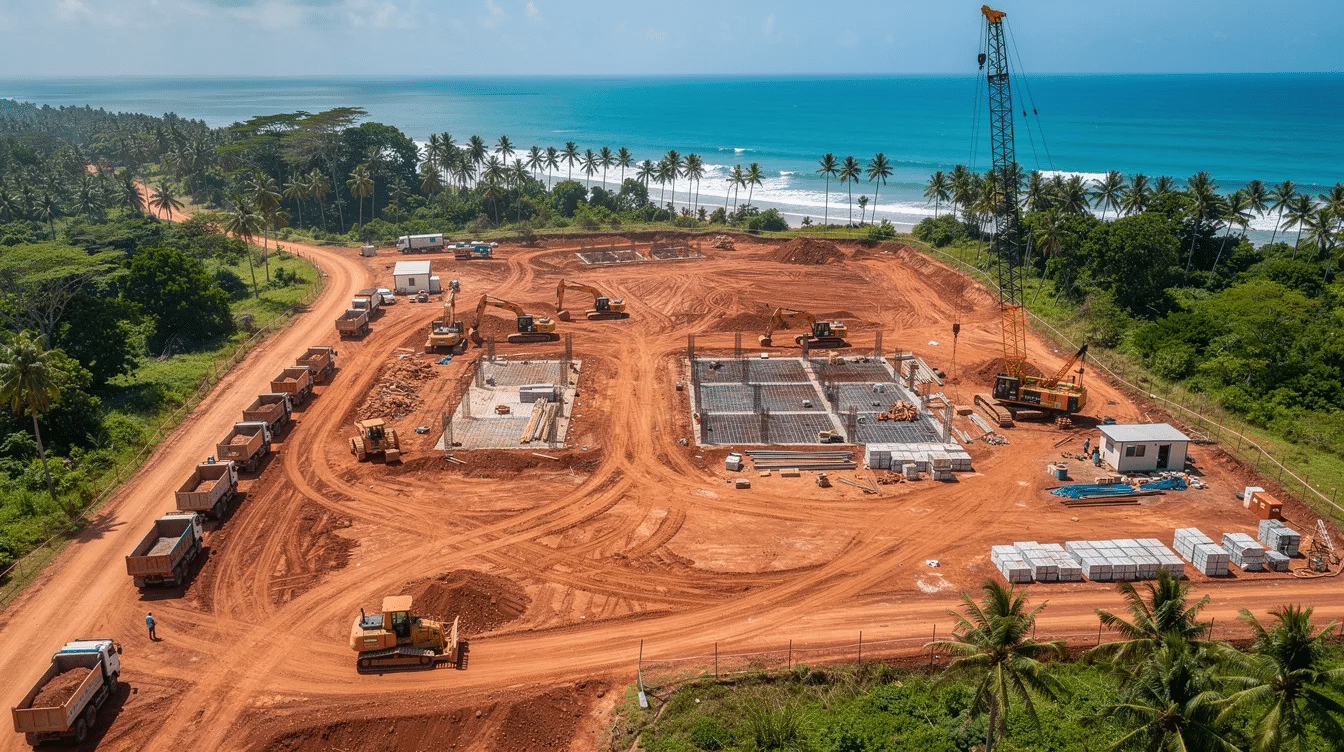
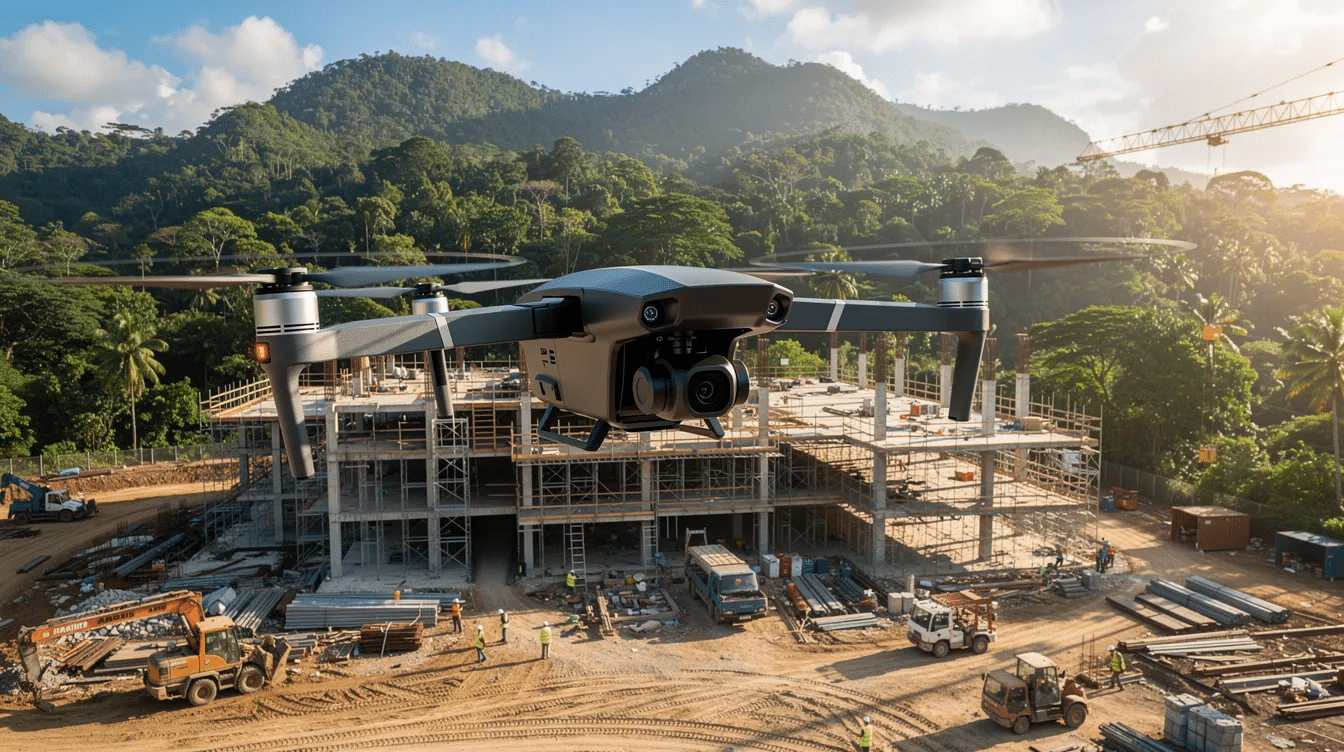
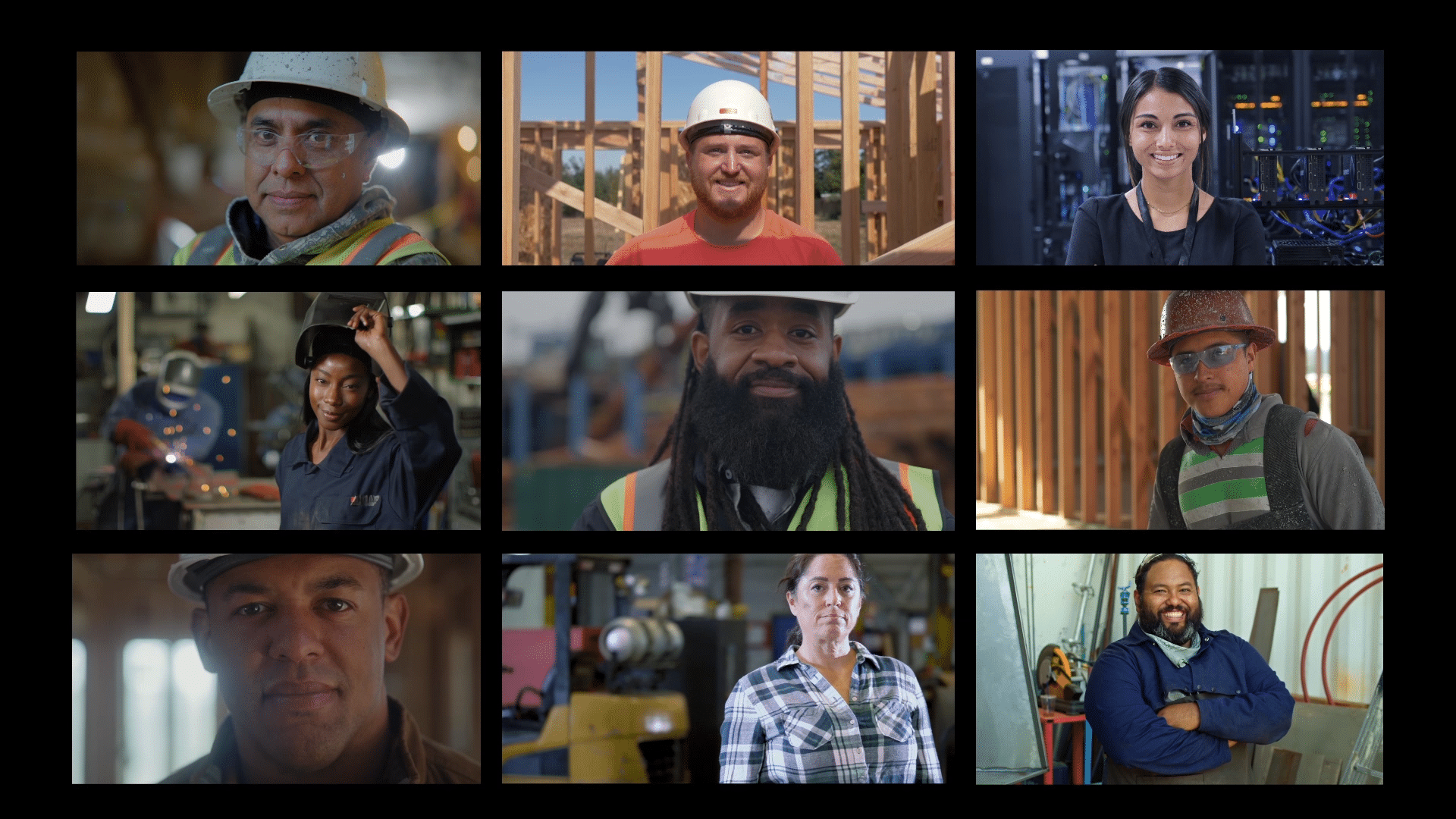
This article is for Hawaii construction company leaders, HR professionals, and safety managers seeking to understand the urgent mental health challenges facing the industry and how the TELUS Health EAP can provide a practical solution. Addressing mental health is critical for safety, retention, and financial performance in Hawaii’s unique construction environment. The scope of this article covers the mental health challenges prevalent in the construction sector, the specific importance for Hawaii contractors, and how the TELUS Health Employee Assistance Program (EAP) offers a practical, accessible solution for companies of all sizes.
Roughly 30% of construction workers fall into the high-risk mental health category versus 23% of the broader U.S. workforce; 13% carry an anxiety or depression diagnosis versus 11% nationally; and male construction workers die by suicide at more than four times the national average.
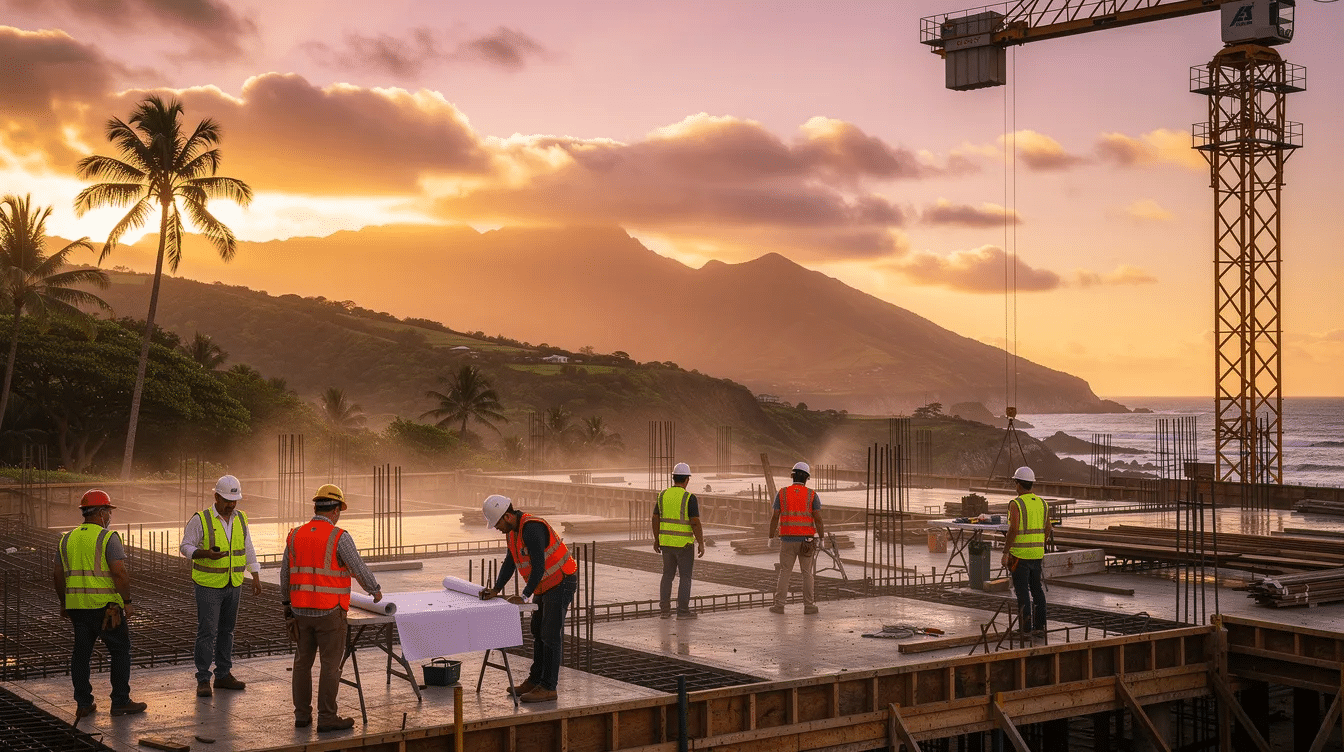
Mental health in construction is already a job site issue on Oahu, Maui, Hawaii Island, and Kauai. The construction industry has the second-highest suicide rate among major industries, with male construction workers being four times more likely to die by suicide than the general population. That mental health crisis now sits inside Hawaii’s reality: Maui wildfire rebuilding, Pearl Harbor and NAVFAC work, chronic housing shortage pressure, and crews moving island to island.
These workers face normal construction industry stressors—deadlines, safety risks, long shifts, chronic pain, weather, physical injury—plus geographic isolation, the highest cost of living in the country, family separation, and disaster-recovery trauma. ABC Hawaii’s suicide prevention work through CIASP and Construction Industry Alliance for Suicide Prevention already recognizes that suicide prevention mental health work belongs inside workplace safety.
National research matches what construction leaders see locally. Up to 64% of construction workers report experiencing anxiety or depression annually due to workload fluctuations and severe burnout. Approximately 14.3% of construction workers reported struggling with anxiety, and nearly 6% reported symptoms of depression, highlighting the prevalence of mental health issues in this sector.
Because construction work is physically demanding, several factors affect mental health: 10–12-hour days, night pours, emergency change orders, job insecurity, physical exhaustion, and the stigma surrounding mental health discussions can all contribute to mental health disorders. A prevailing culture of hyper-masculinity (a workplace environment where workers feel pressure to appear tough and avoid discussing emotions) causes roughly 45% of construction workers to feel ashamed to discuss their mental struggles.
Chronic pain compounds the risk. Thirty-four percent of construction workers suffer from chronic pain, versus 24% nationally, and 45% use prescription medication to manage pain, versus 36%. Coping mechanisms for chronic pain and stress among construction workers include self-medicating with opioids and alcohol, resulting in the highest rates of substance abuse across major industries. That makes substance misuse and substance abuse support core to worker mental health.
Foremen, superintendents, construction managers, and construction professionals often see mental health concerns before HR does. Warning signs can look like:
Mental distress directly impairs concentration and decision-making on high-hazard sites, creating a physical safety issue. Job Hazard Analyses should treat severe mental strain or extreme fatigue as an active job hazard during daily assessments. For a Total Human Health lens, connect this with Heavy Equipment Handling: Ergonomics, Safety, and Performance.
Mental health issues in construction can lead to increased absenteeism and reduced productivity, with the World Health Organization estimating that 12 billion working days are lost each year due to depression and anxiety. In the TELUS Mental Health Index data, construction workers who feel more stressed than before the pandemic report 47 lost-productivity days per year, compared with 31 days for those who do not. Workers actively thinking about leaving lose about 65 days.
Construction’s work productivity score sits 8.9 points below the national average as of January 2024. In Hawai‘i, where a single distracted operator or superintendent can derail a critical path, poor mental health leads to reduced productivity, high turnover, schedule risk, and increased safety exposure.
Addressing mental health in the construction industry is crucial because mentally healthy workers are more focused, make better decisions, and are less likely to be involved in accidents, thereby enhancing overall safety and productivity. Protecting the construction workforce also protects ABC Hawaii’s investment in Construction Workforce Training in Hawaii.
Many construction companies technically offer employee assistance programs, but many workers do not know what they are. Data show 38% of construction workers do not have access to an EAP, versus 31% nationally; only 28% know what an EAP is and what it covers, versus 33% nationally; and 30% cite cost as the main barrier to mental health care.
The failure points are practical: brochures buried in onboarding packets, 9–5 call centers, phone-only intake, services tied to medical enrollment, and distrust that information could reach a foreman. Many construction workers, construction laborers, apprentices, and inter-island hires never get enough proper training on the benefits of using helpful resources when mental health struggles appear.
ABC Insurance Trust has partnered with TELUS Health, a global wellbeing provider supporting more than 157 million healthcare lives in 200+ countries and territories, to bring a dedicated Employee Assistance Program to ABC chapters, including ABC Hawaii.
Stand-alone means the program is not embedded in a medical plan, not tied to a carrier, and not limited to workers enrolled in company health insurance or the ABC Hawaii Kaiser-sponsored health plan. Project hires, apprentices in carpentry, electrical, plumbing, painting, and roofing, including those in Hawaii Craft Training & Apprenticeship, and inter-island crews can all be covered.
That matters for workplace mental health in Hawai‘i. TELUS operates 24/7 across time zones with multi-language support for a multicultural workforce.
When a worker calls, a live master ‘s-level mental health clinician answers the first call. TELUS Health also offers 24/7 instant chat, phone, video, and in-person counseling, with an average of 24 minutes of clinical support per interaction, compared with an industry average of 10 minutes of intake.
Support includes mental health care for stress, anxiety, depression, trauma, and conflict resolution; financial counseling for debt and budgeting; legal consultations; career, child care, and elder care help; and substance use counseling. Critical incident response can support crews after a fatality, severe injury, or Maui wildfire recovery trauma. When deeper care is needed, workers can be guided toward appropriate professional help and professional advice.
Stigma still blocks care. TELUS reports that 63% of new users who reach out via 24/7 instant chat would not have contacted it through traditional phone-based channels. That matters in tight-knit island communities where being overheard can stop someone from asking for help.
Confidential access lets a worker use a smartphone from a truck, hotel room, or home. Employers receive aggregate, de-identified reporting, not names, diagnoses, or session details. This is how construction companies reduce stigma, destigmatize mental health, and improve mental health without forcing workers into public conversations.
Running crews across Oahu, Maui, Hawaii Island, and Kauai is not like staffing one mainland metro area. Mobilizations happen fast. Workers spend nights in hotels. Crews coordinate with NAVFAC, private developers, and public agencies across islands.
Because the TELUS Health EAP is not tied to a medical plan, a waiting period, or mainland business hours, it fits the way Hawaii contractors actually operate. Multi-language support can help workers who are more comfortable in languages such as Tagalog, Ilocano, Japanese, or others depending on availability. For Maui rebuilding crews, immediate crisis support is not optional.
The standard TELUS Health EAP rate is $3.50 per employee per month. The ABC member discount through ABC Insurance Trust brings it to $3.05 per employee per month.
| Company size | Monthly cost at $3.05 | Annual cost |
|---|---|---|
| 50 employees | $152.50 | $1,830 |
| 200 employees | $610 | $7,320 |
| That is a fraction of the cost of replacing one tenured craftworker after recruiting, downtime, onboarding, and training. It also supports worker well-being before debt, evictions, custody disputes, alcohol, opioids, or burnout bleed into attendance and job performance. This is a Total Human Health investment alongside ABC Hawaii safety, training, and the broader Construction Association Hawaii network. |
The ABC member discount is tied to enrollment forms submitted by the May 2026 deadline during Mental Health Awareness Month. Companies should confirm the exact cut-off date with ABC Insurance Trust and submit paperwork before the window closes.
Next steps:
Implementation is designed to be straightforward, with eligibility files and communication materials for office and field teams.
Buying the EAP is not enough. Company leaders need to put mental health resources where workers already listen: morning huddles, safety stand-downs, apprenticeship orientations, and toolbox talks.
Over half, 51%, of construction managers report they have not received formal training on how to address mental health issues. Training on how to best conduct conversations about mental health is seen as a key resource that would enhance construction managers’ ability to support employees, with many indicating it would boost their comfort in these discussions. Training supervisors to recognize early warning signs of mental health issues is crucial, as they are often the first line of defense in supporting workers.
Seventy-seven percent of construction industry leaders, including Presidents and CEOs, recognize addressing mental health at work as a priority. Many construction organizations recognize the importance of sharing mental health resources with workers to raise awareness and reduce stigma, with 94% of survey respondents agreeing. Employee Assistance Programs are recognized by 71% of organizations as beneficial services to offer workers, although only 63% currently provide them.
Use posters, wallet cards, QR codes, and visible crisis resources as part of disease control and broader job-site health-risk management. Printed crisis hotlines and resource codes can be effective in promoting mental health support on construction sites. Construction Working Minds provides mental health training and suicide prevention resources, including workplace posters and employee quizzes.
The National Suicide Prevention Hotline offers free and confidential mental health support 24/7 in the U.S. by dialing 988. The Crisis Text Line is free 24/7 for anxiety, depression, suicidal thoughts, or self-harm; text HOME to 741741 in the U.S.
Integrating dedicated mental health prompts into standard morning safety briefs can normalize discussions about mental health at the job site. Creating a caring organizational culture and respectful workplace culture improves mental well-being, retention, and business results. Wellness initiatives on construction sites can improve job performance, reduce absenteeism, and enhance overall safety by addressing mental health as a critical issue.
This is where the suicide prevention task force works: industry publications, peer support, supervisor training, and resources related to mental health and suicide become operational. Construction executive teams should treat workplace safety, physical safety, and health as a single system.

The program typically extends to eligible dependents, such as spouses, partners, and children in the household. Contractors should confirm dependent definitions with ABC Insurance Trust during enrollment.
The TELUS Health EAP is a stand-alone. It operates independently of any medical carrier and applies whether employees are on a company group plan, the ABC Hawaii Kaiser Sponsored Health Plan, or are uninsured.
Employers receive only aggregate, de-identified utilization reports. Individual names, diagnoses, counseling details, and personal legal or financial issues are not shared.
Once the enrollment agreement and eligibility file are completed, implementation typically occurs within a short window, often around 30 days or less, to be confirmed with ABC Insurance Trust.
At $3.05 per employee per month, even a small shop can price the program against the cost of one missed crew member, one serious incident, or one experienced worker walking away. When hours drop or work slows, financial stress can escalate quickly for smaller crews and workers alike. The primary CTA is simple: contact ABC Hawaii or ABC Insurance Trust now and submit enrollment forms before the May discount deadline. The secondary move is to host or attend the TELUS Health EAP educational webinar so your field leaders know how to use the benefit before the next crisis.